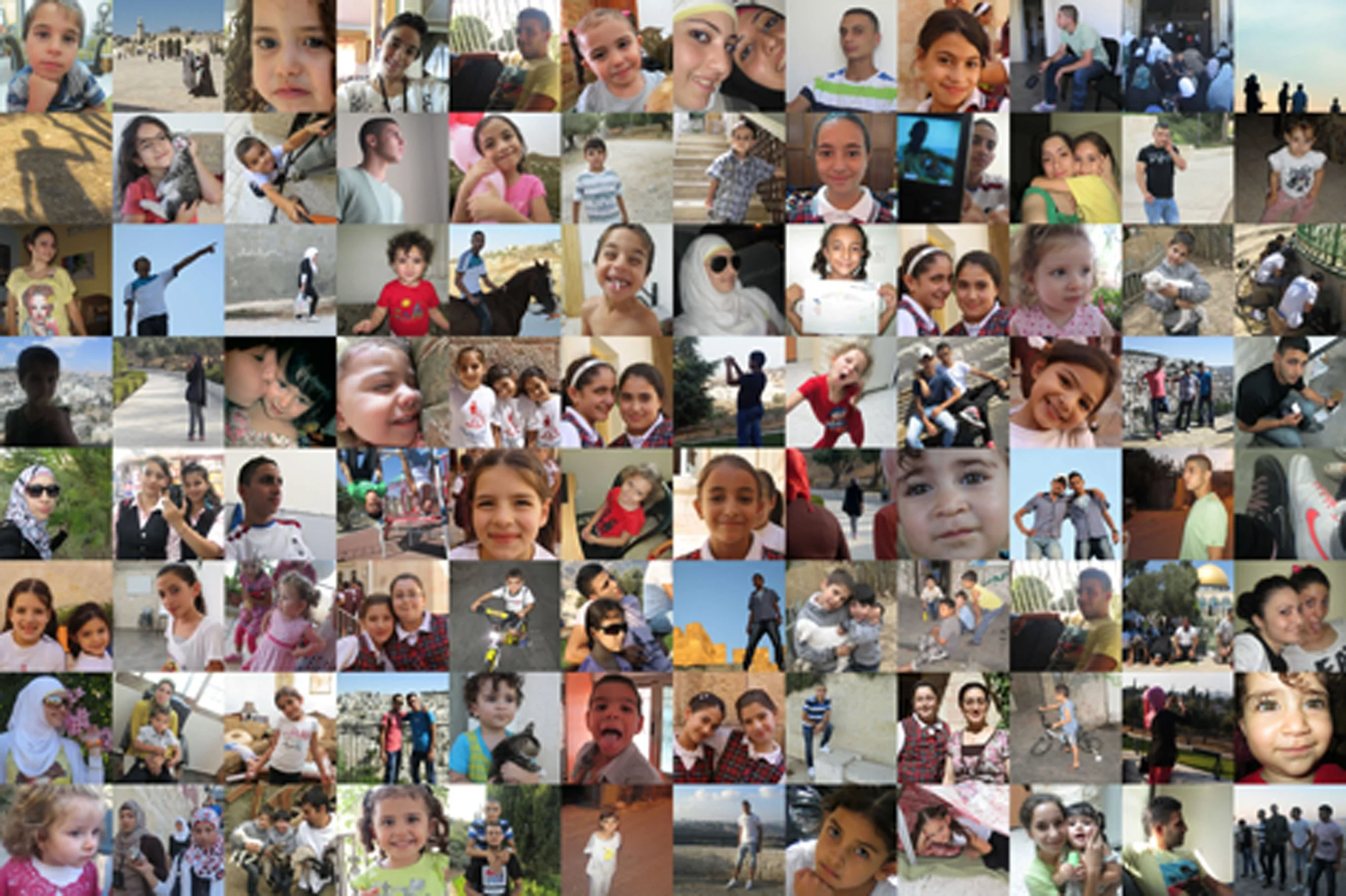
Image & Identity
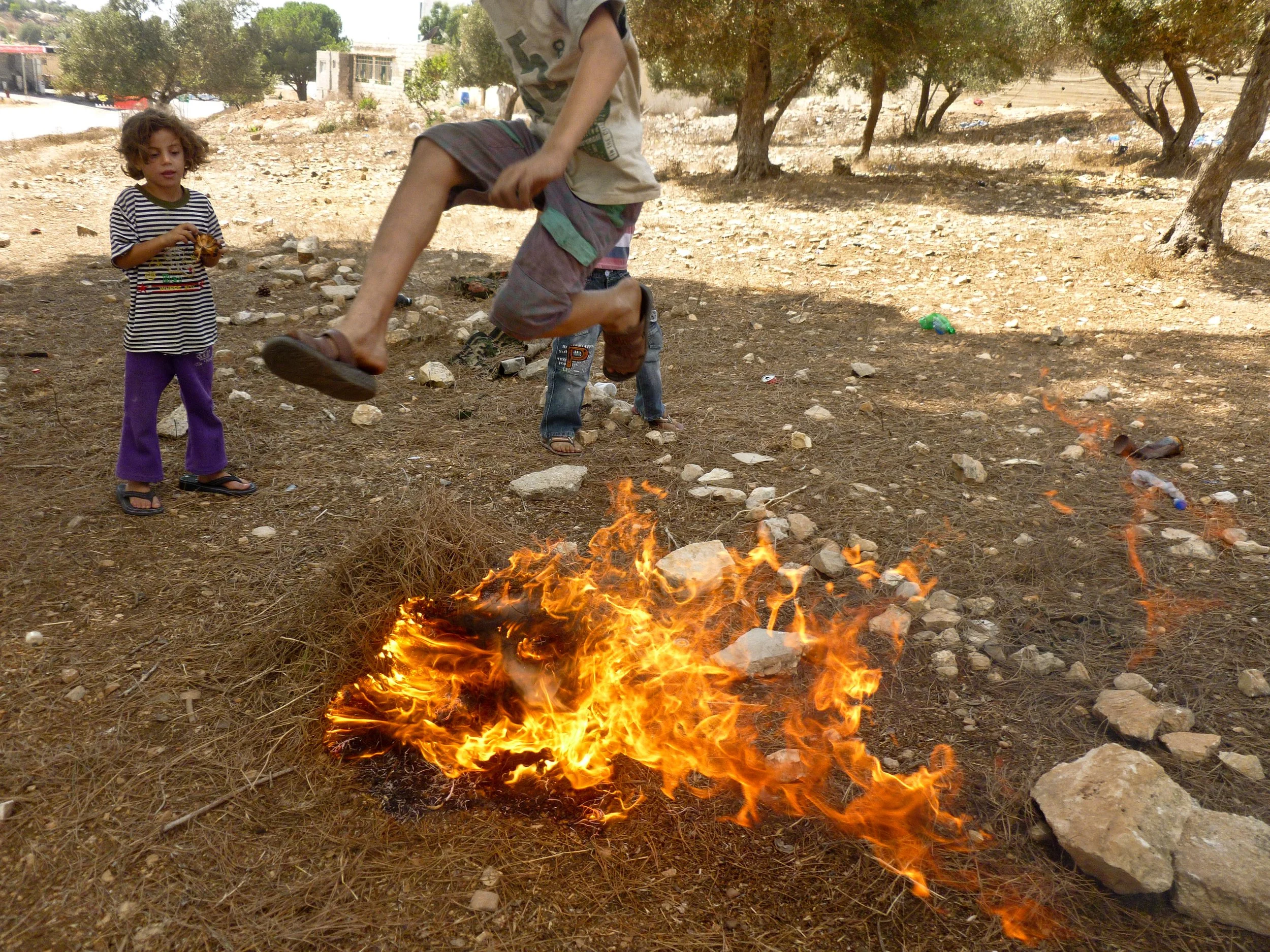
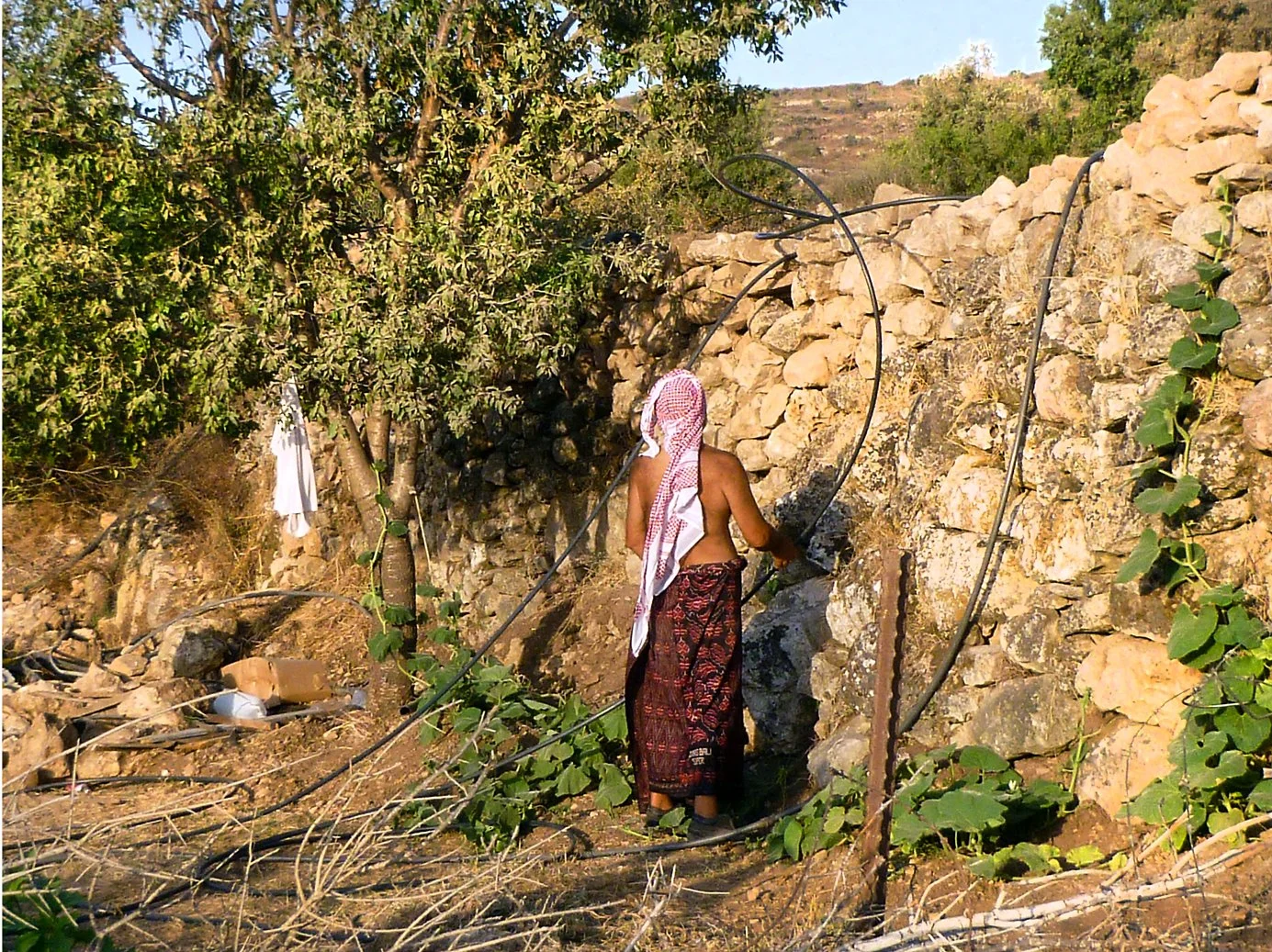
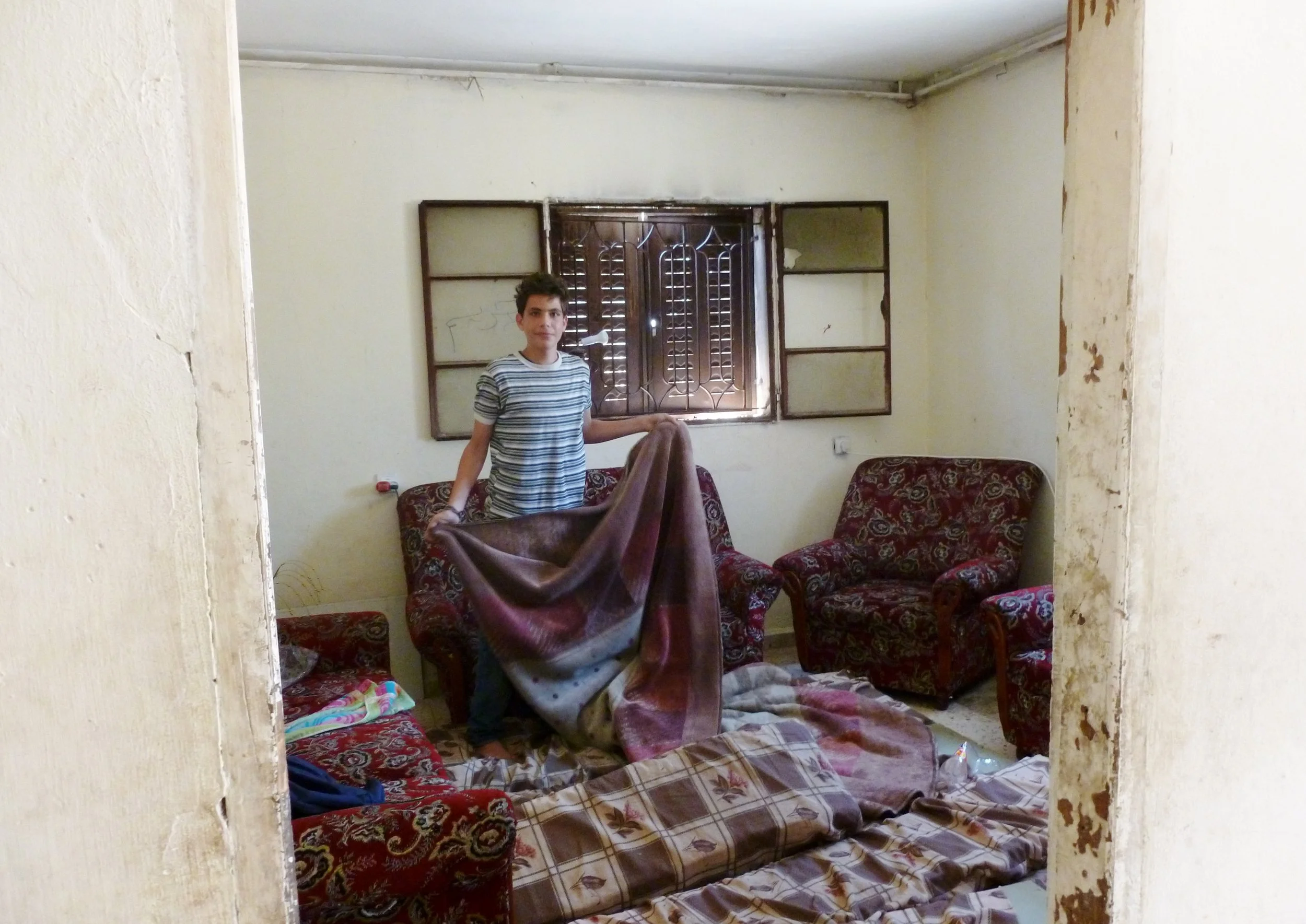
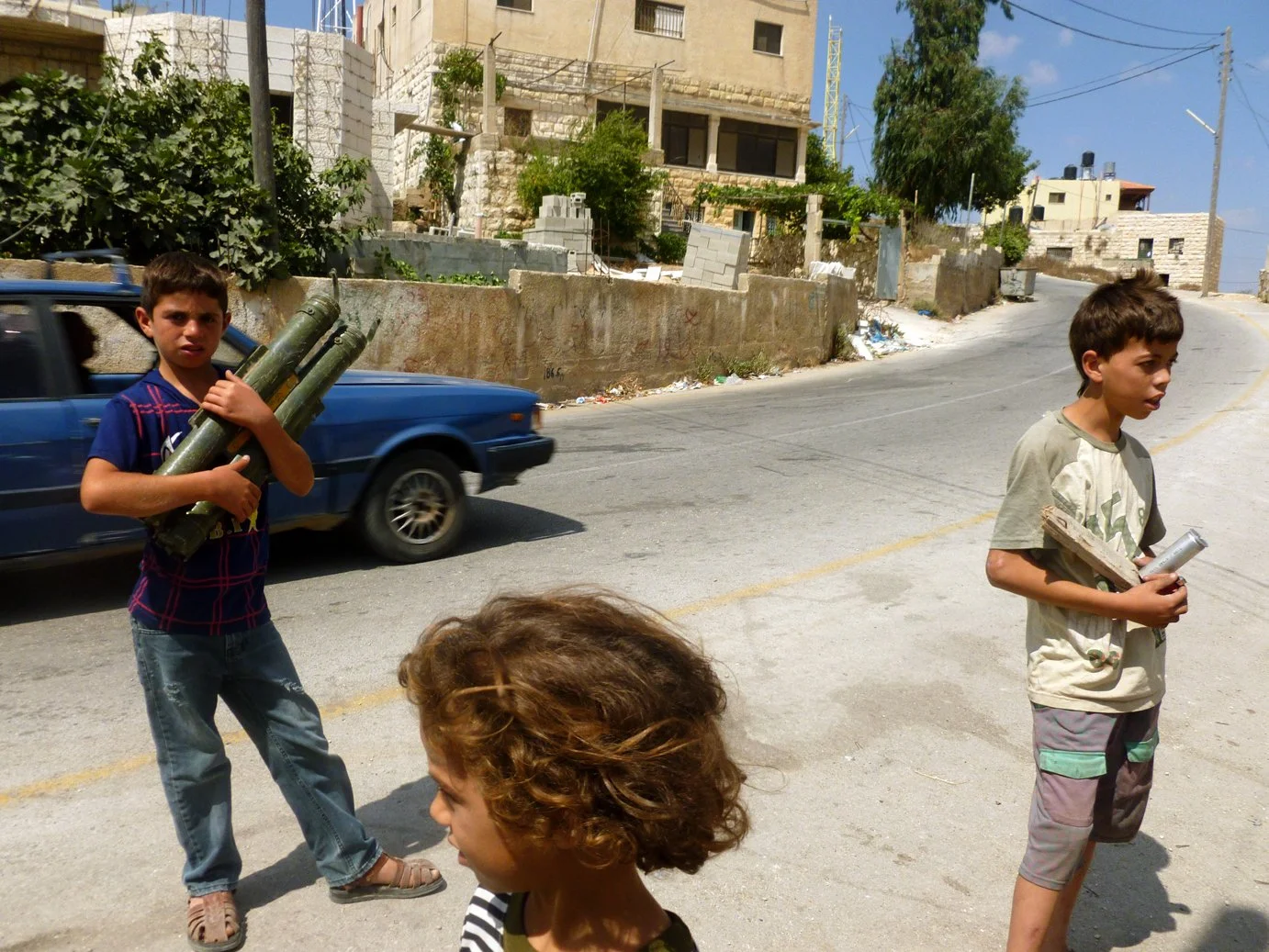
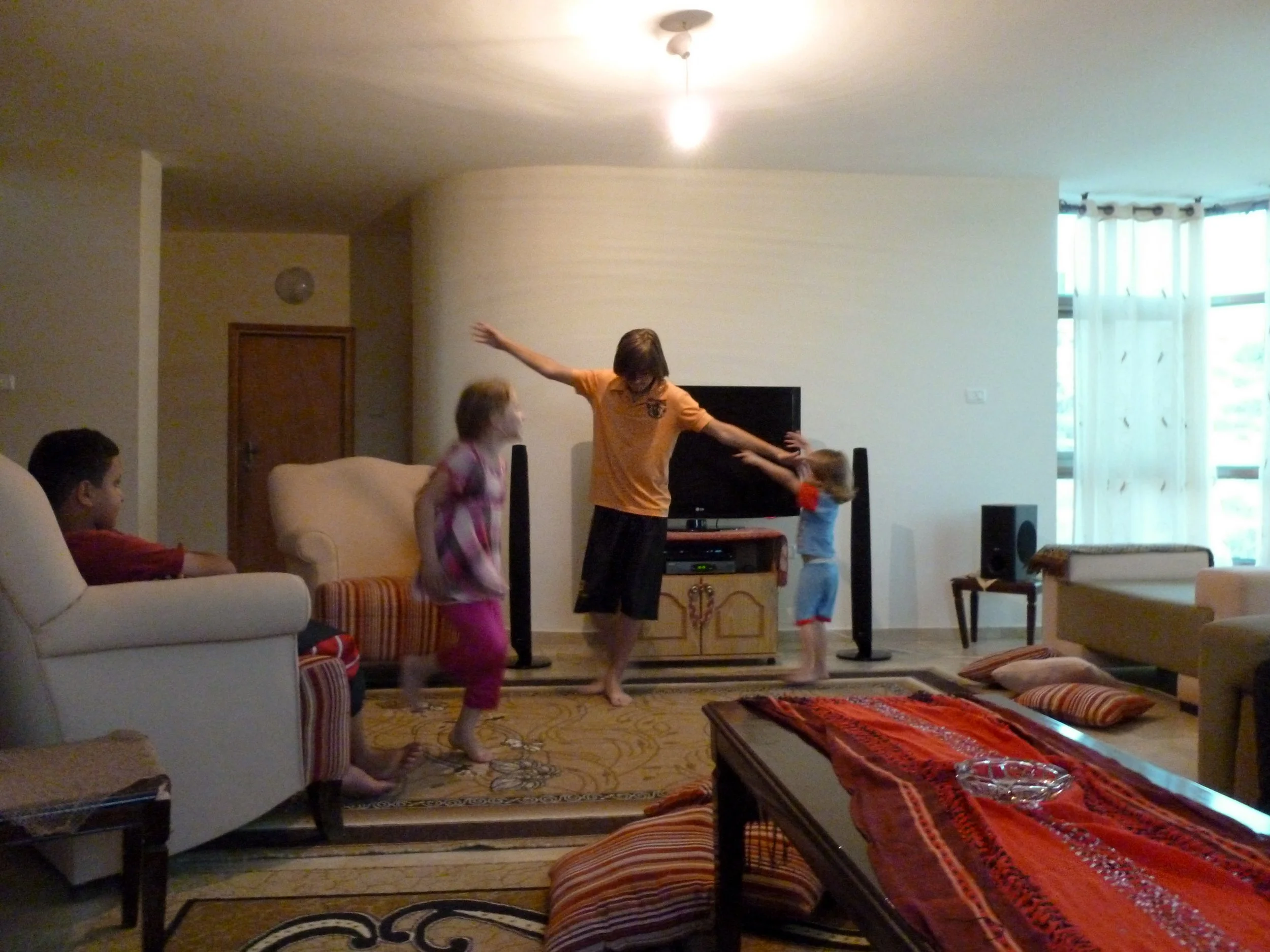
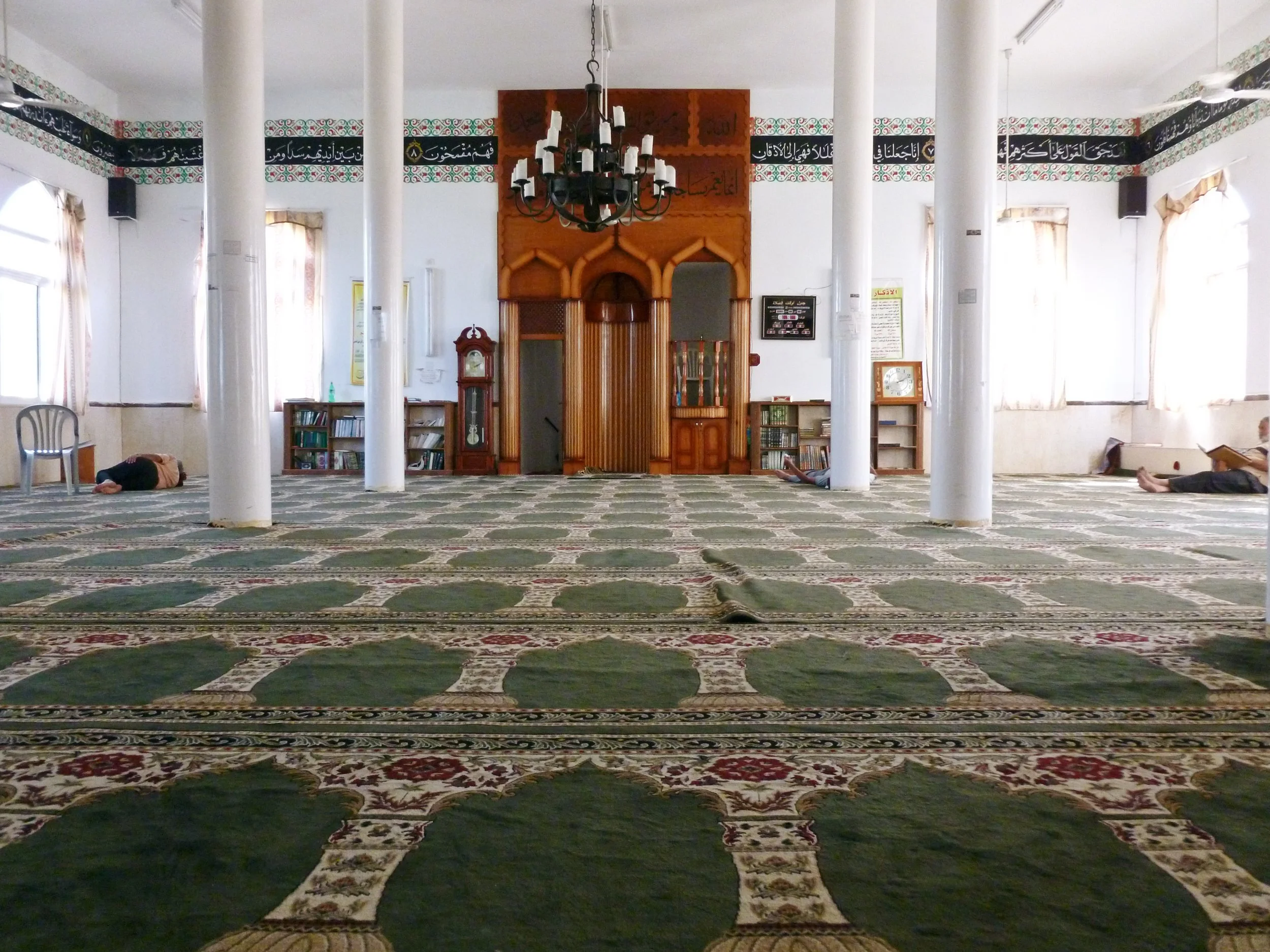
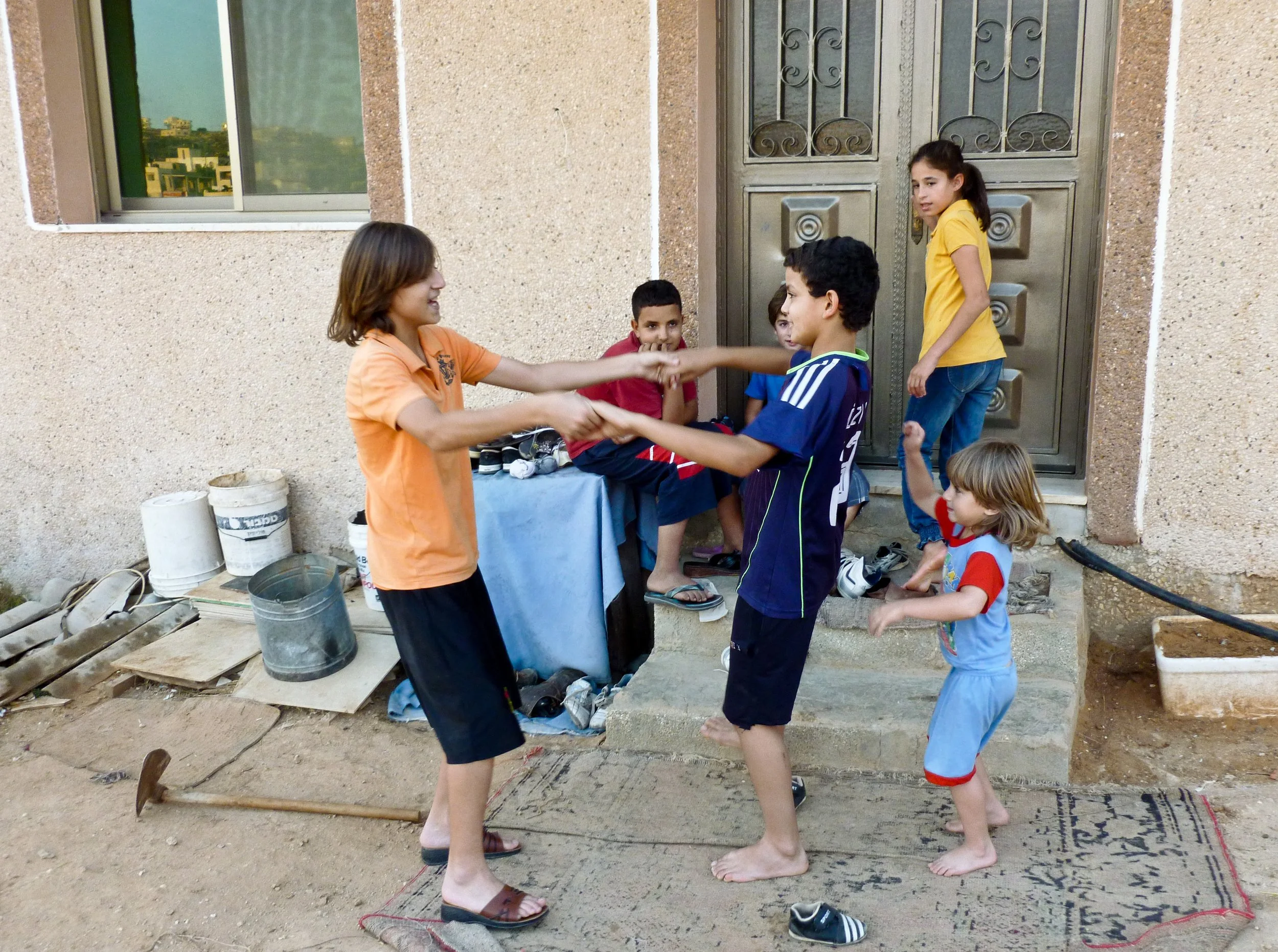
From 2011 – 2013 I produced a child rights advocacy project with several Palestinian communities living under Israeli military occupation and experiencing daily violence. The children were provided cameras and in depth artistic photography training over the course of several months. I also produced several short videos for this project and curated exhibitions locally and internationally. I collaborated with photographers Issa Freij & Ahed Izhiman on this work.
I am Nabi Saleh
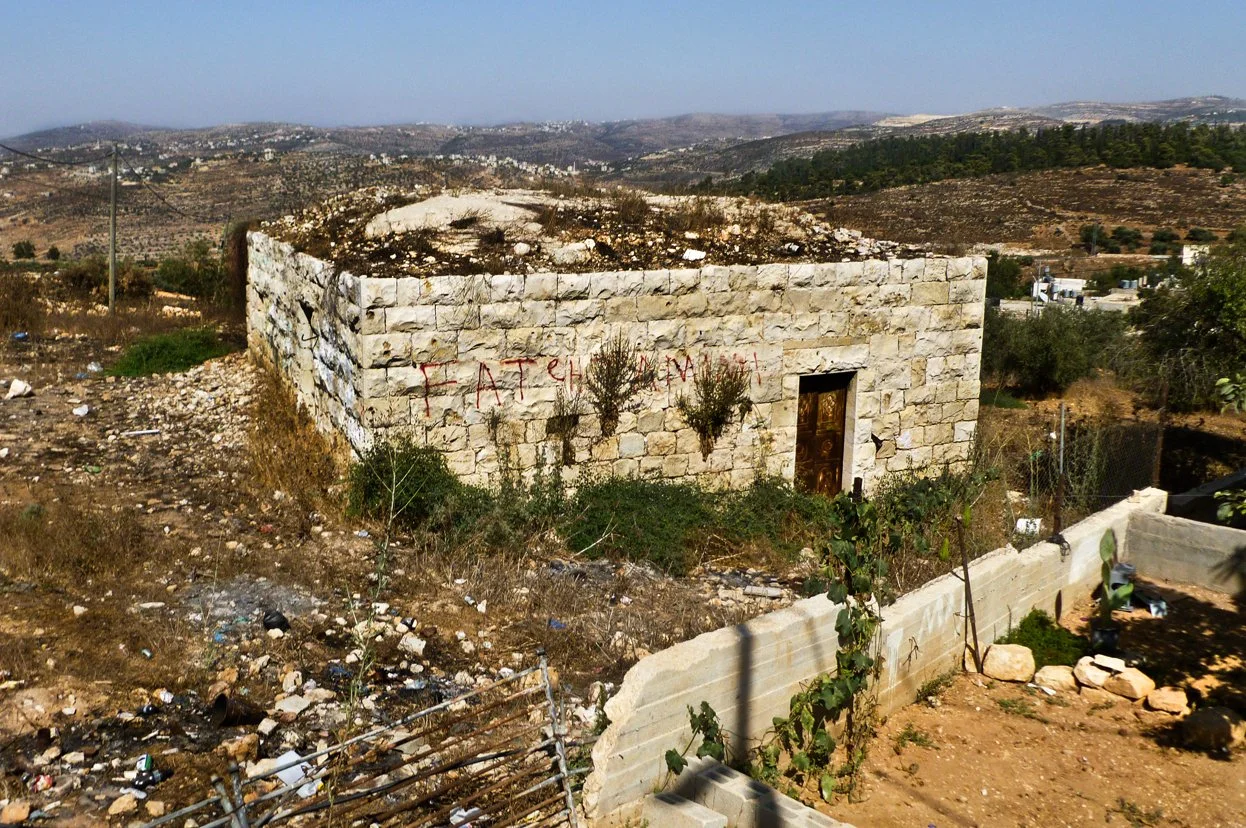
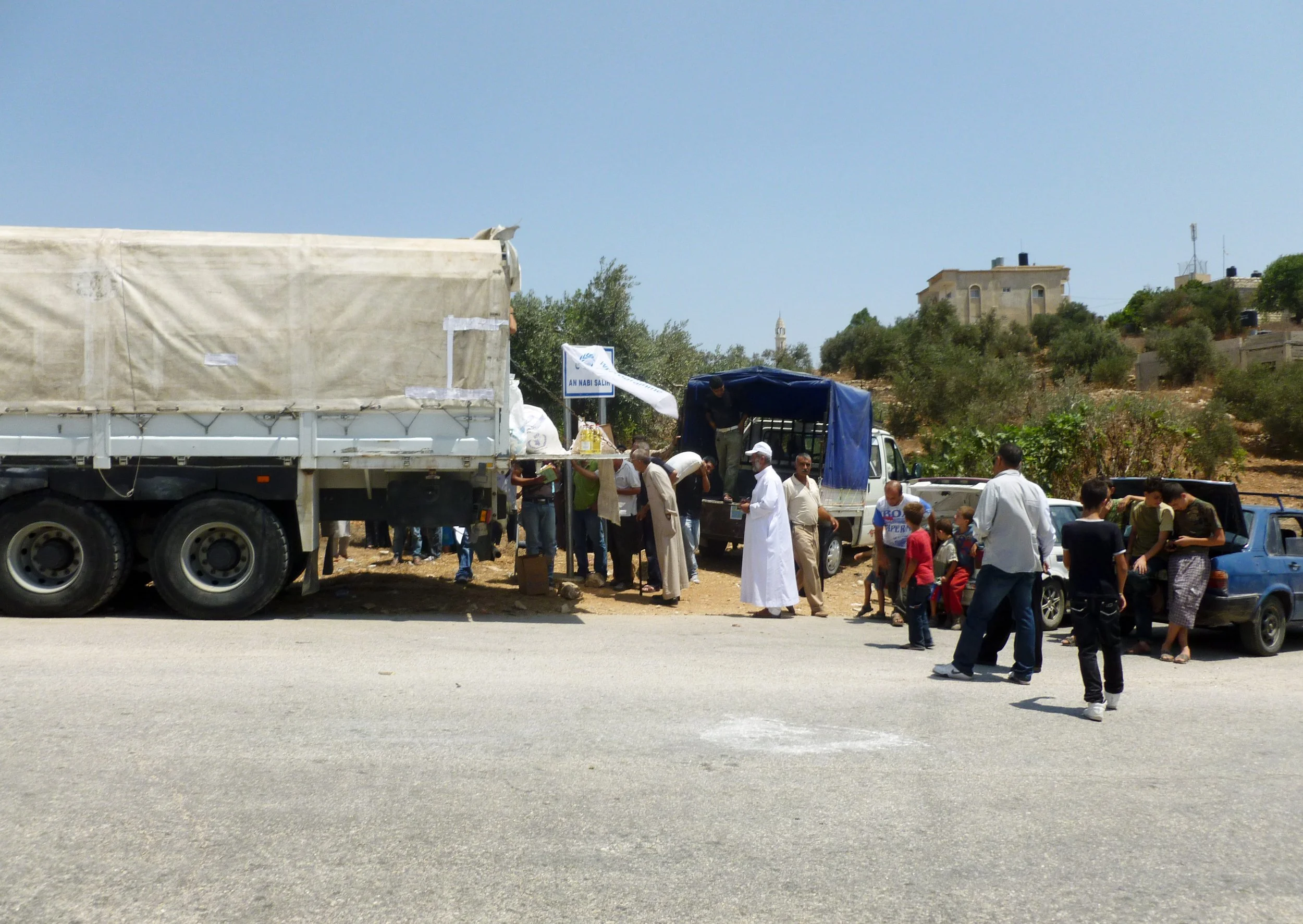
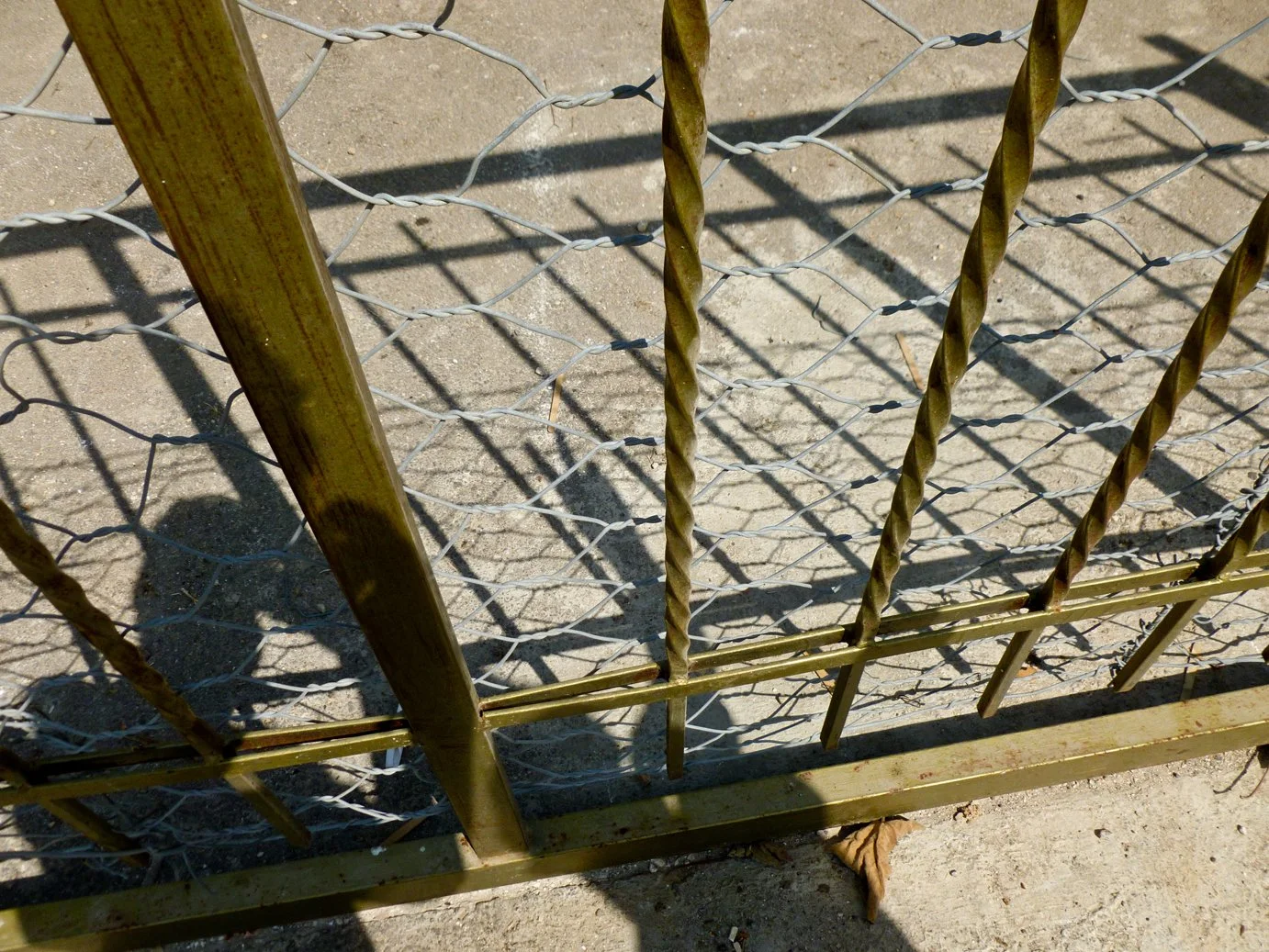
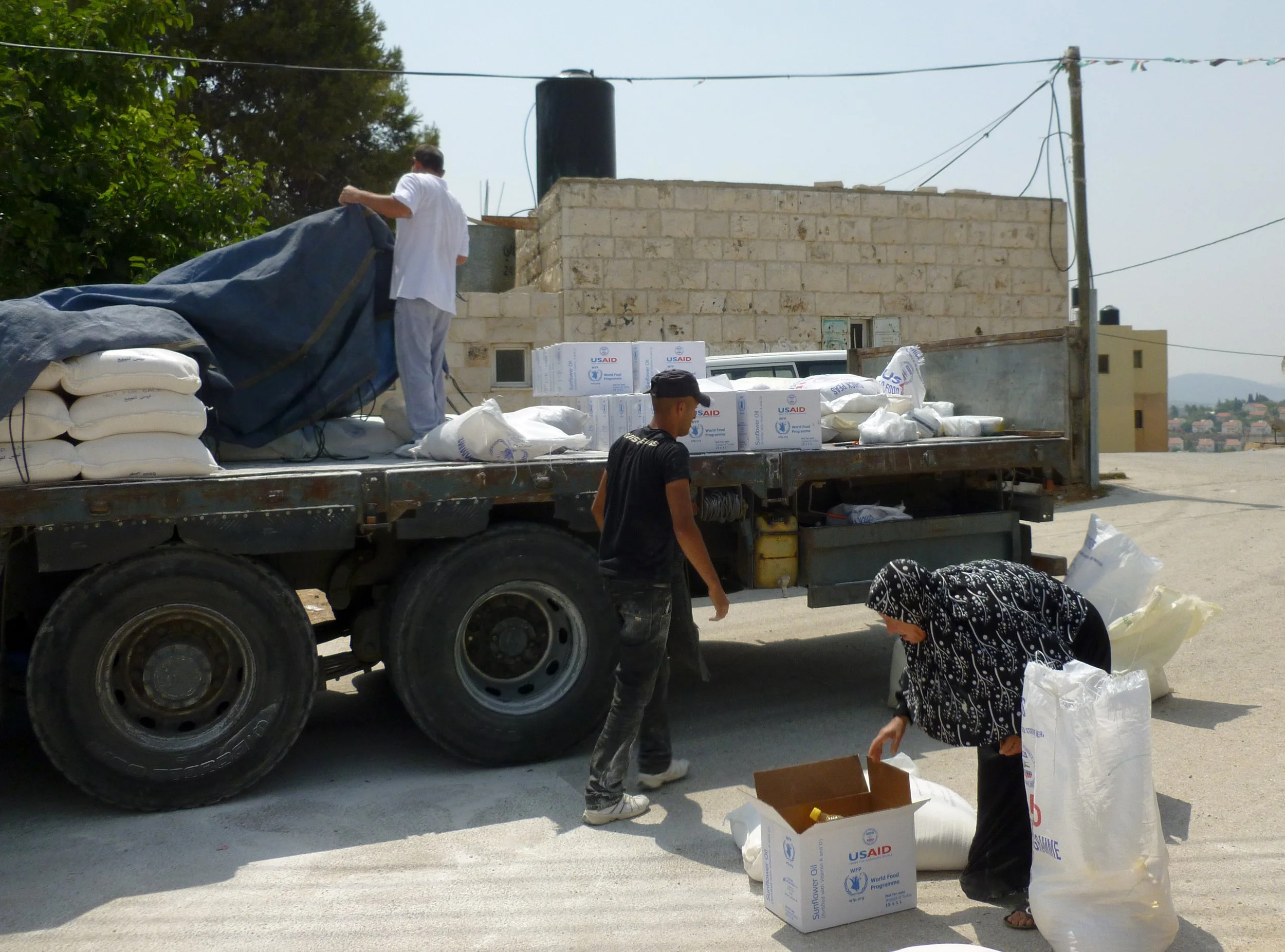
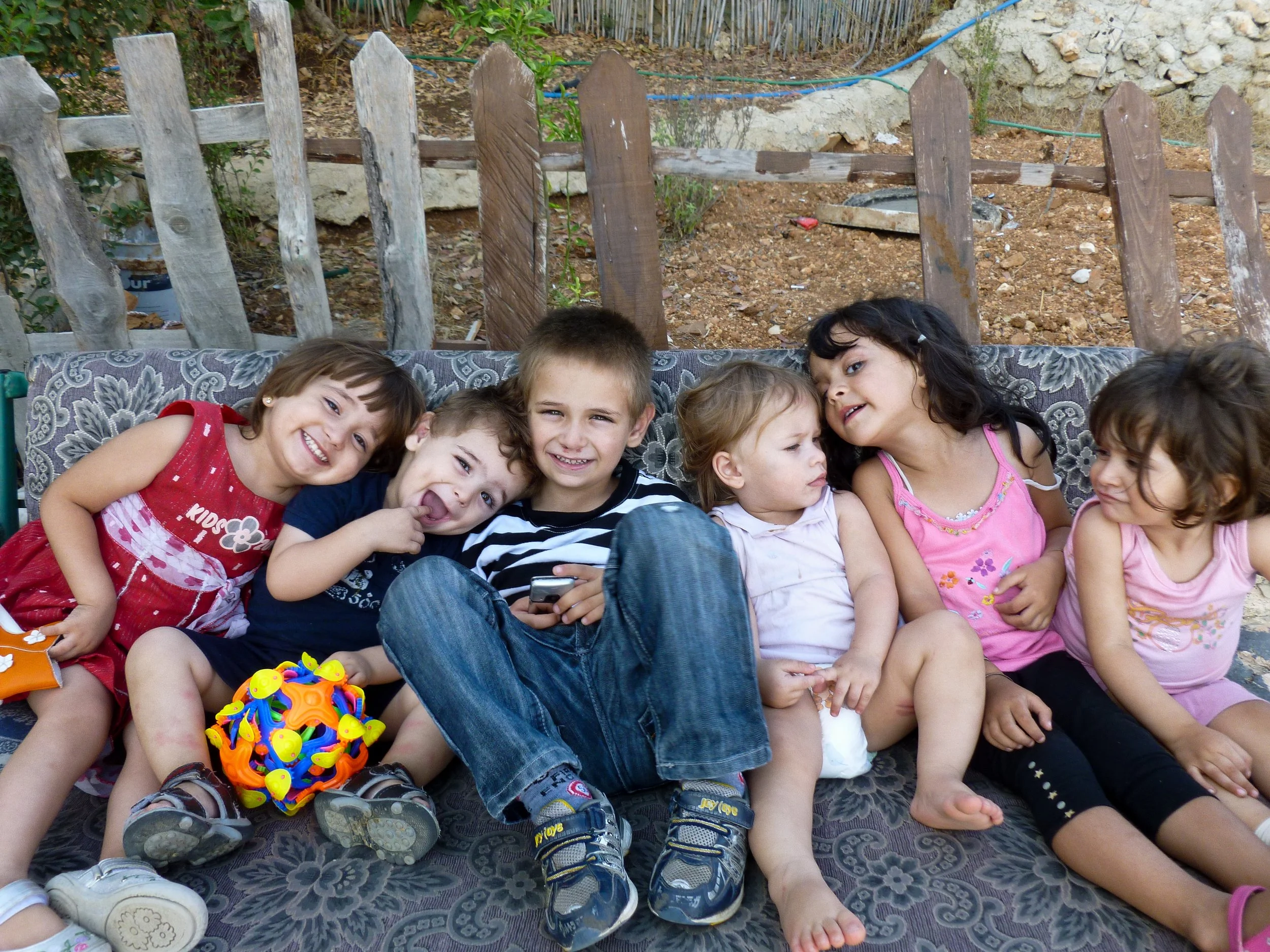
The first of the series, in collaboration with Issa Freij, the project included 15 children from Nabi Saleh village outside of Ramallah in Palestine. The children learned to photograph their daily life and to tell stories with photographs. Their images where exhibited by the International Academy of Art in Ramallah in 2011.
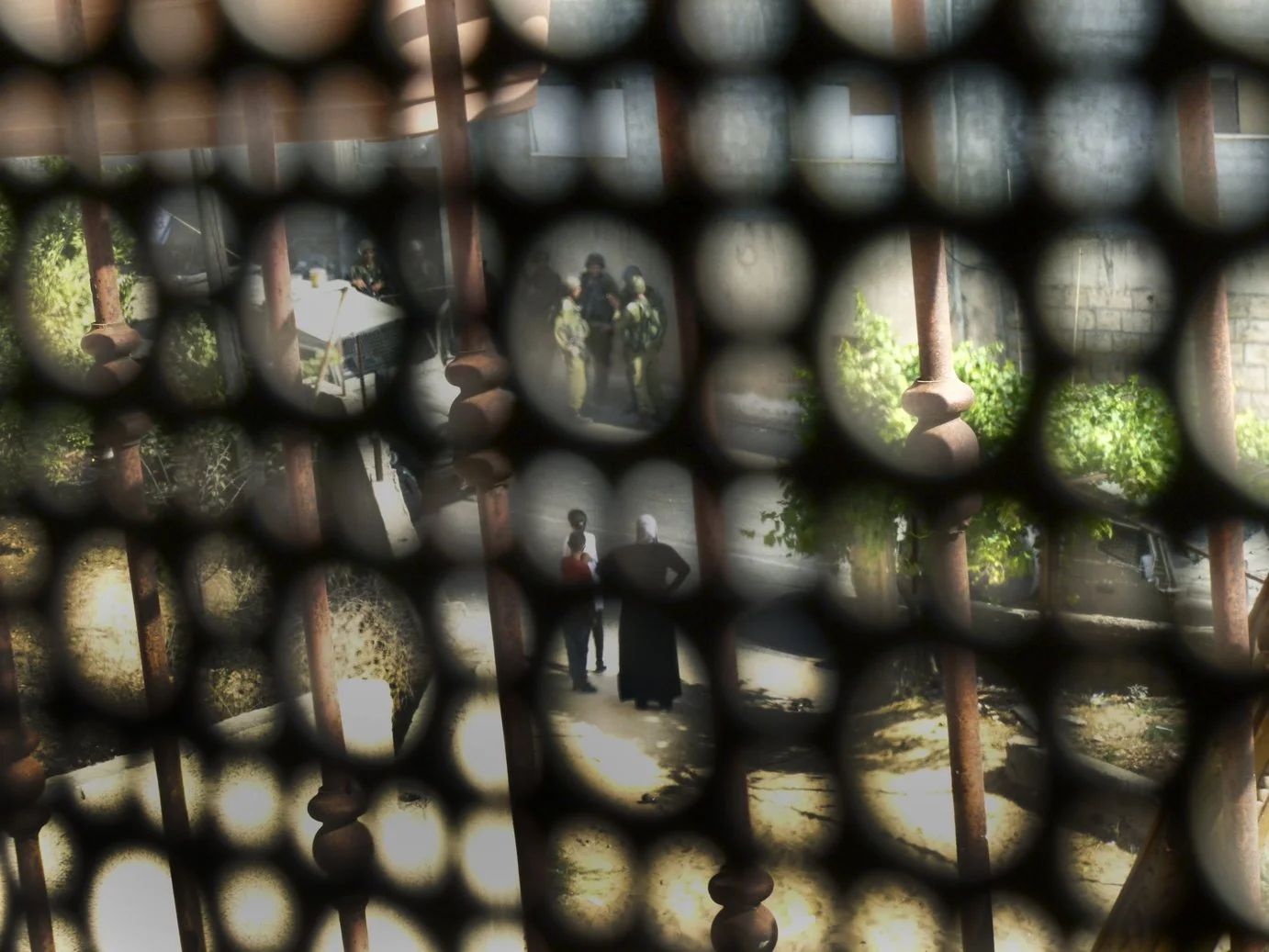
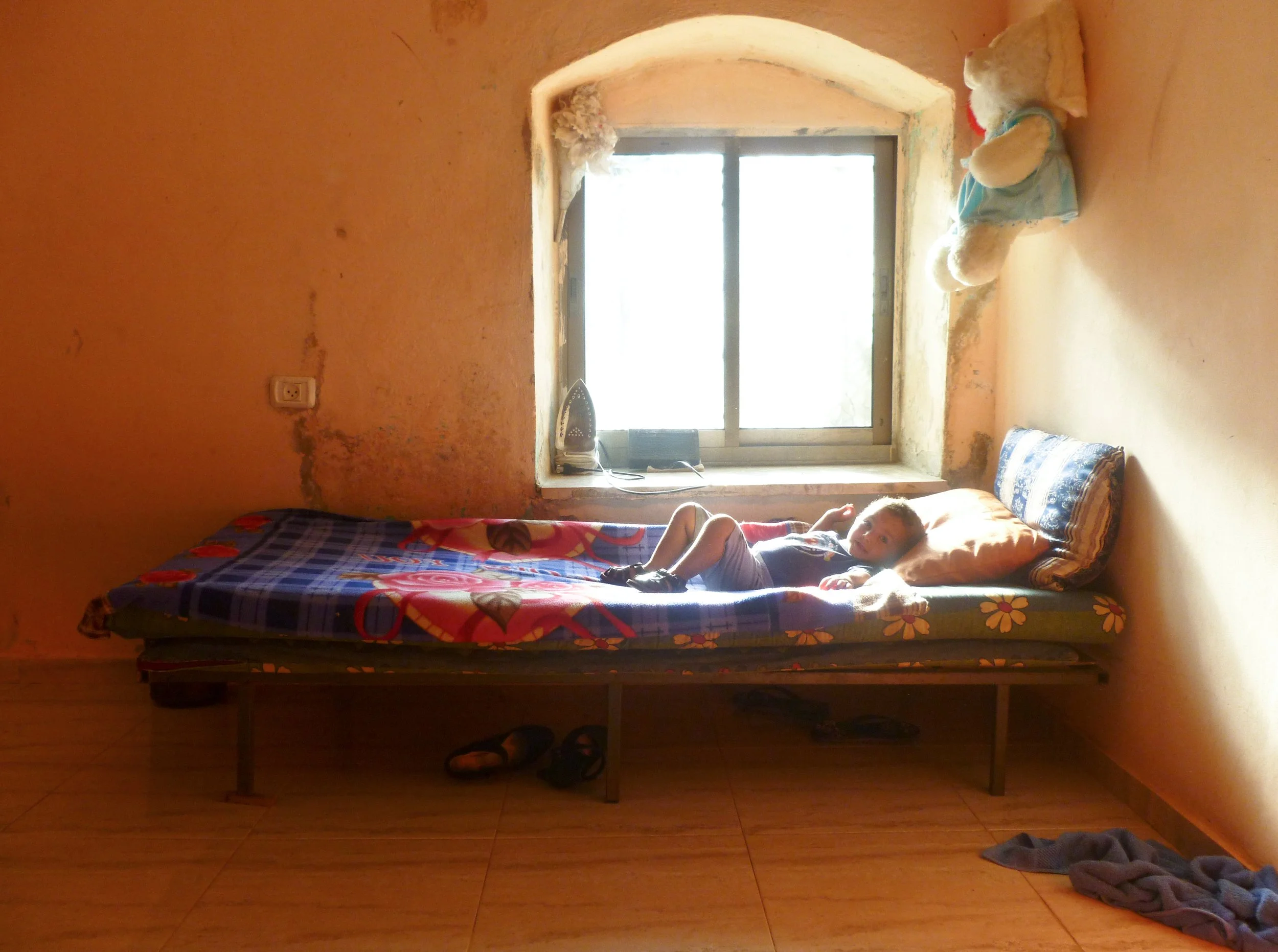
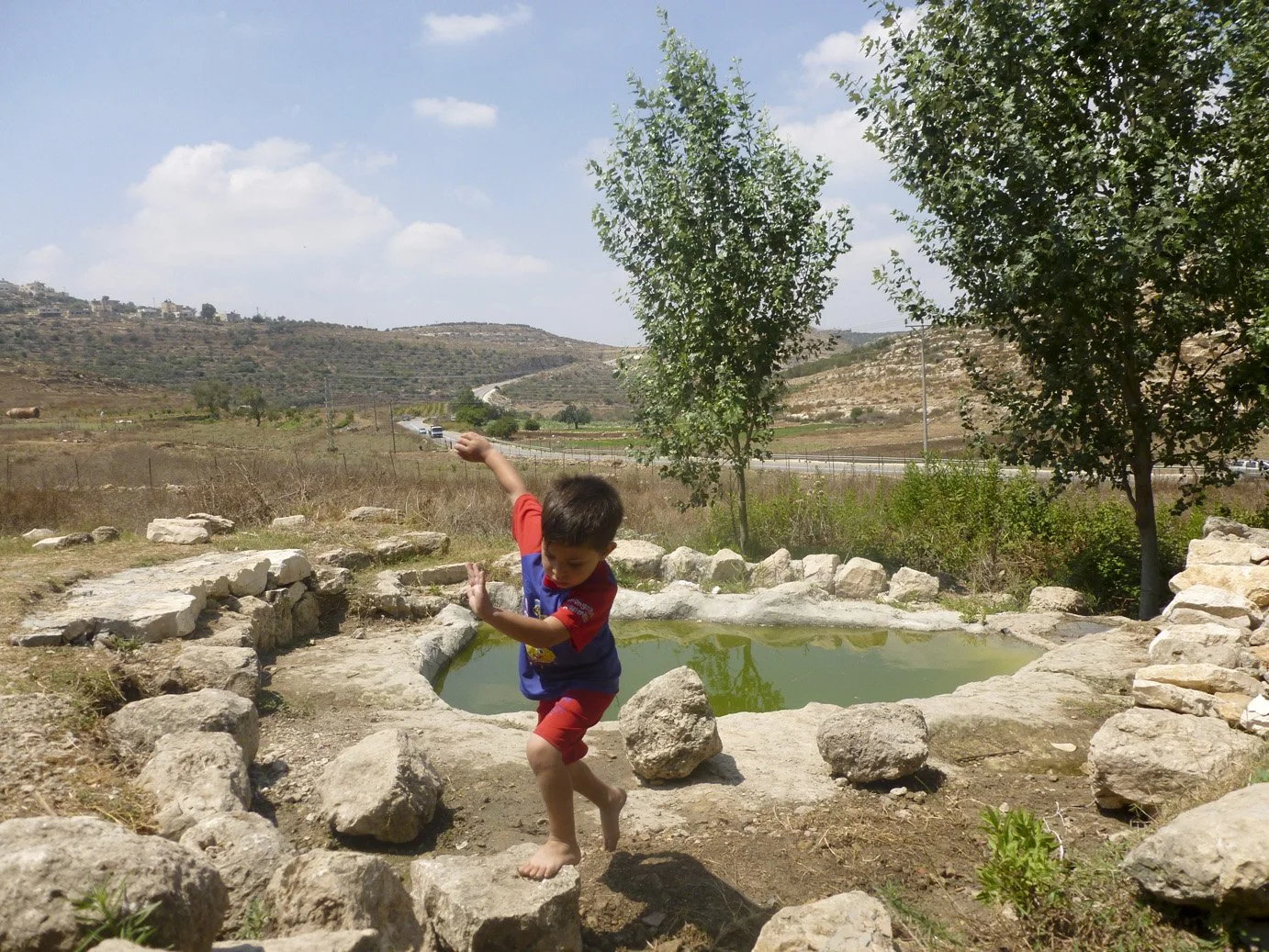
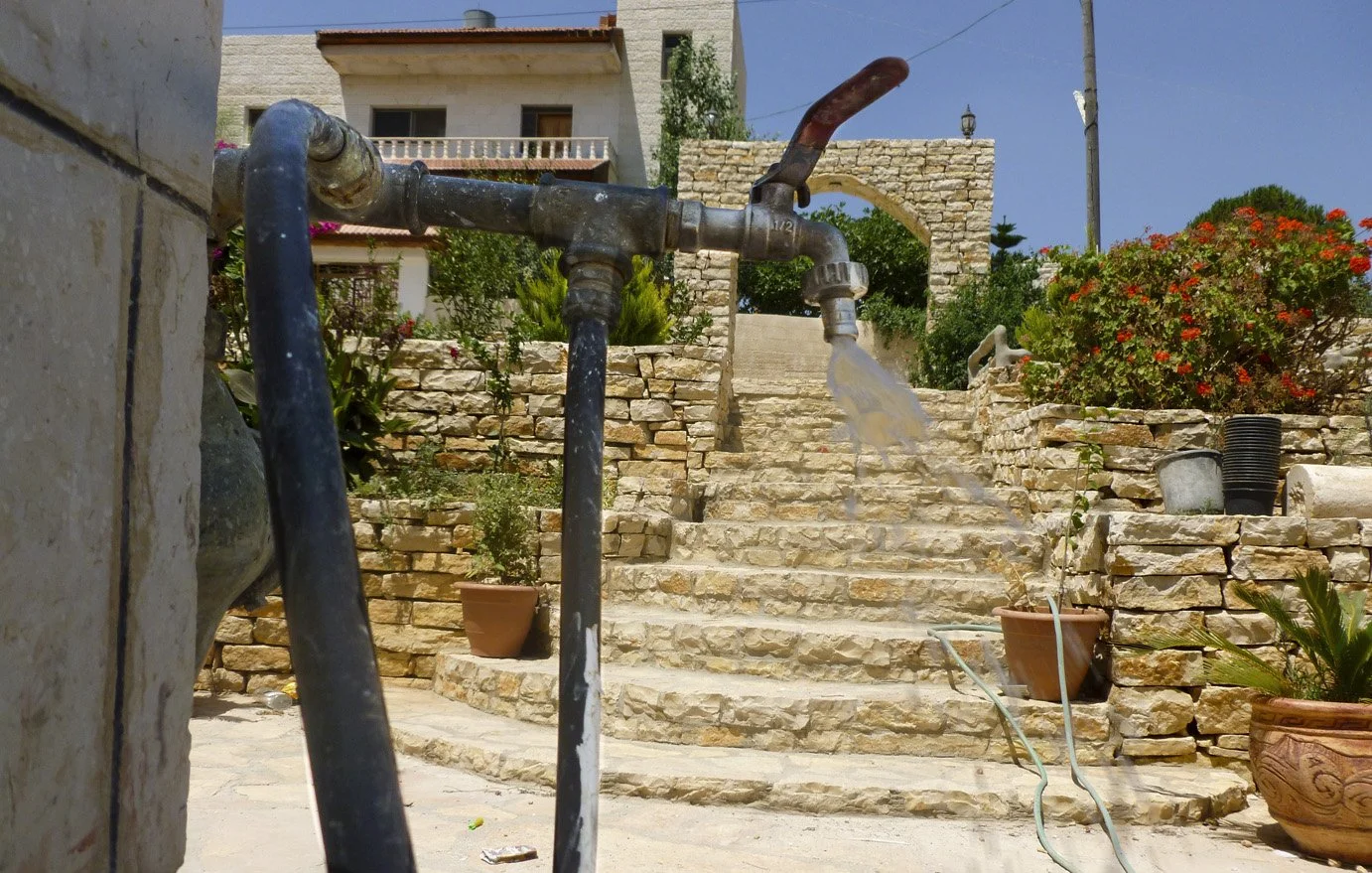
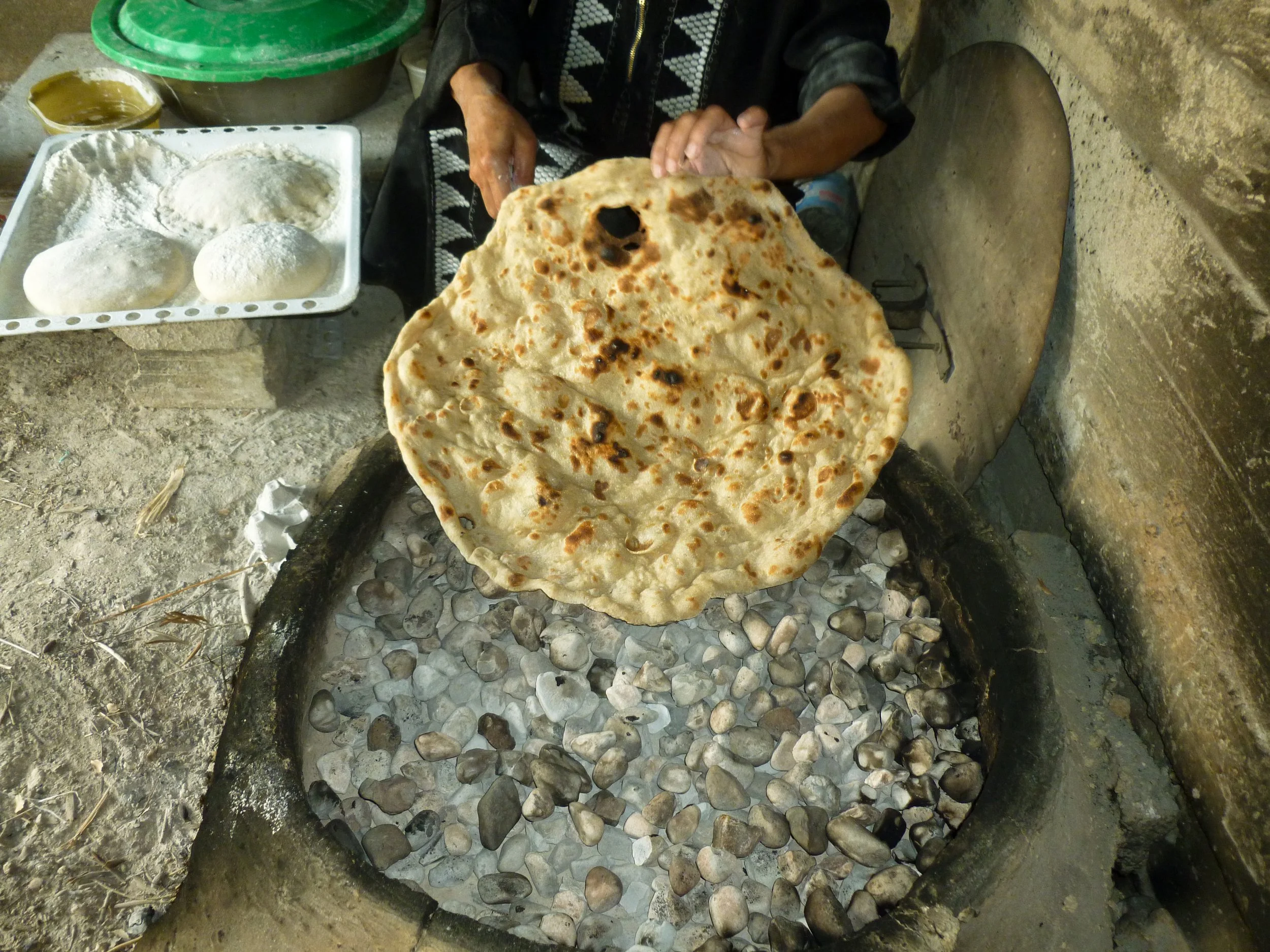
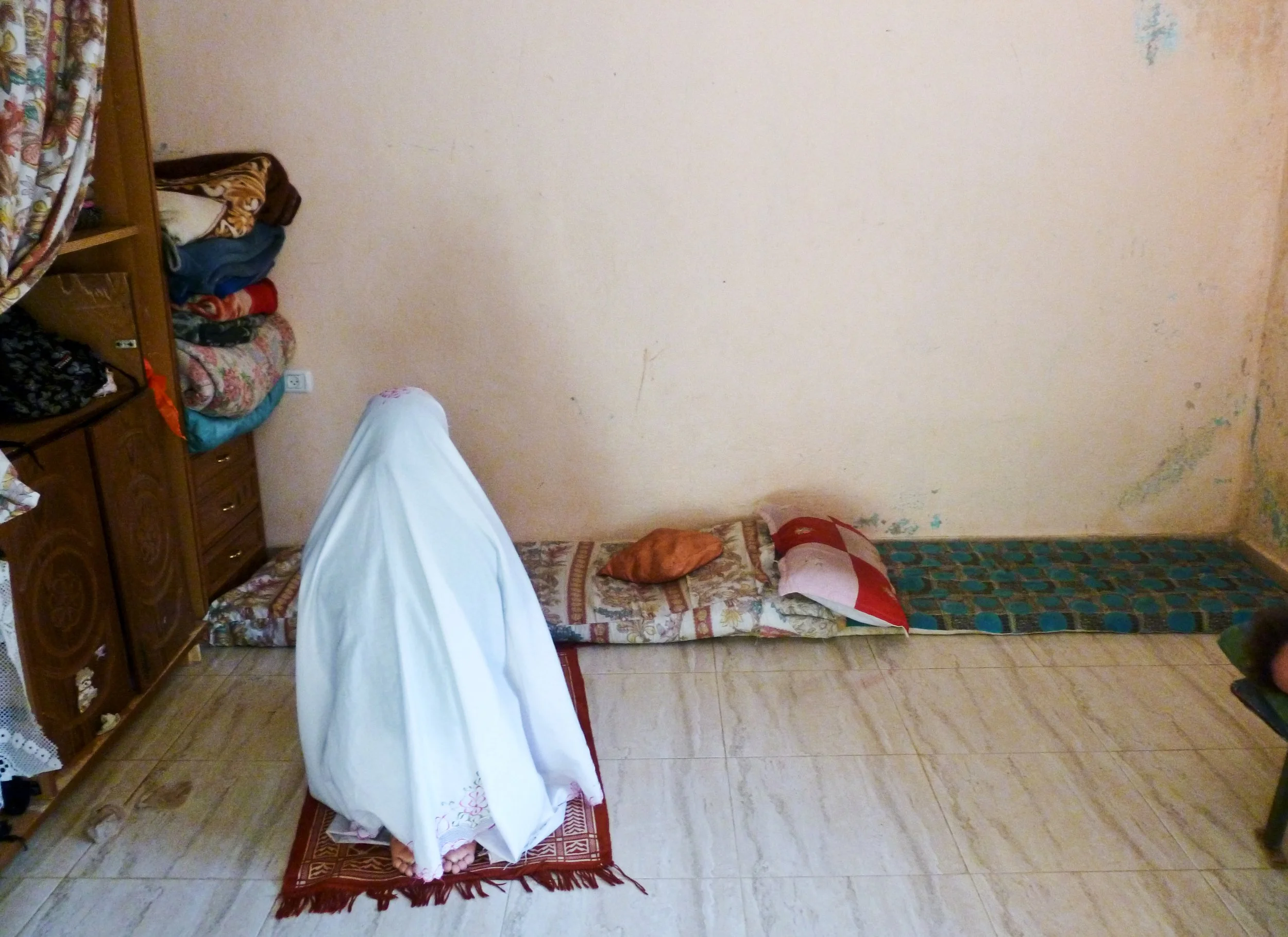
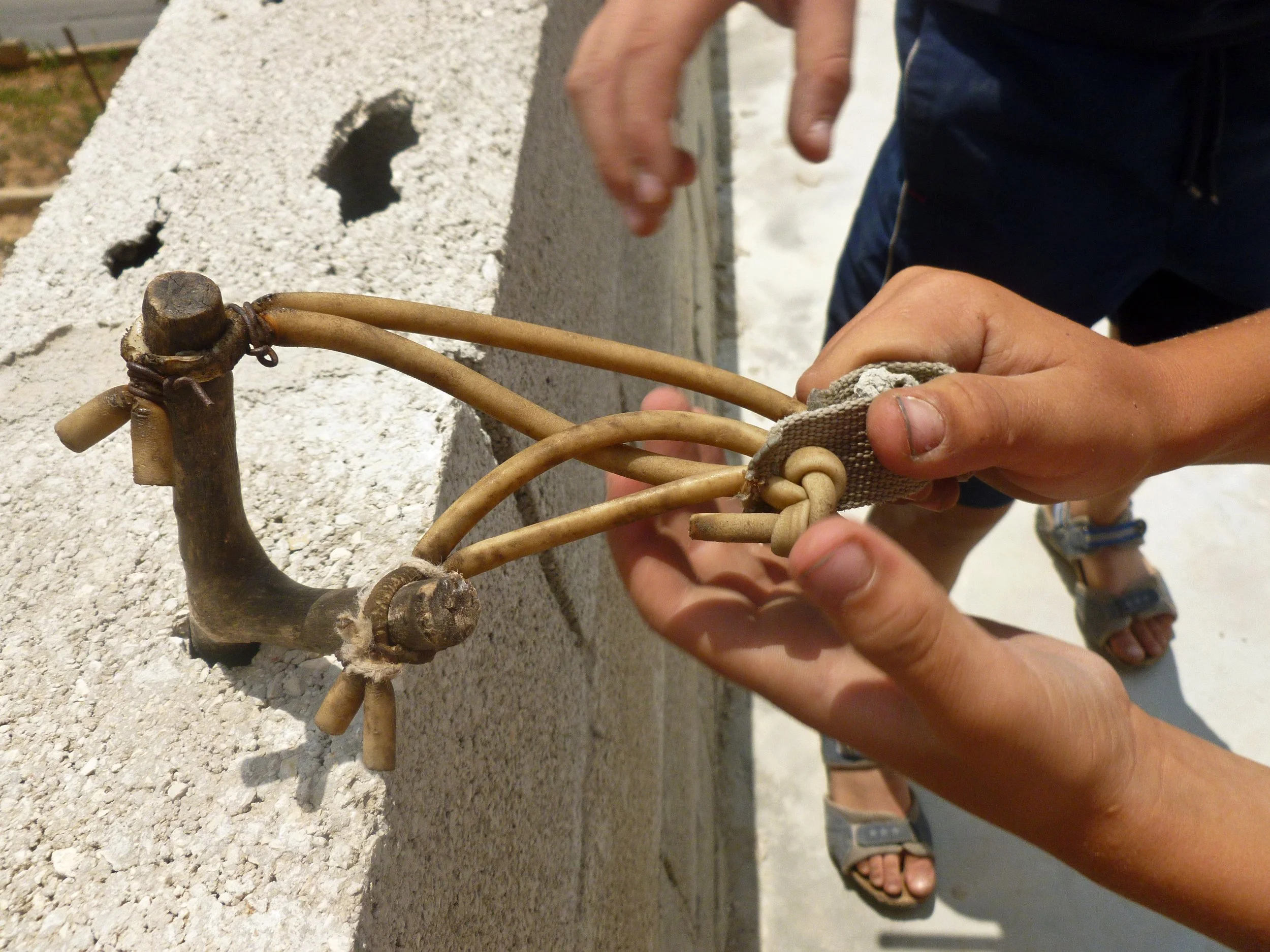
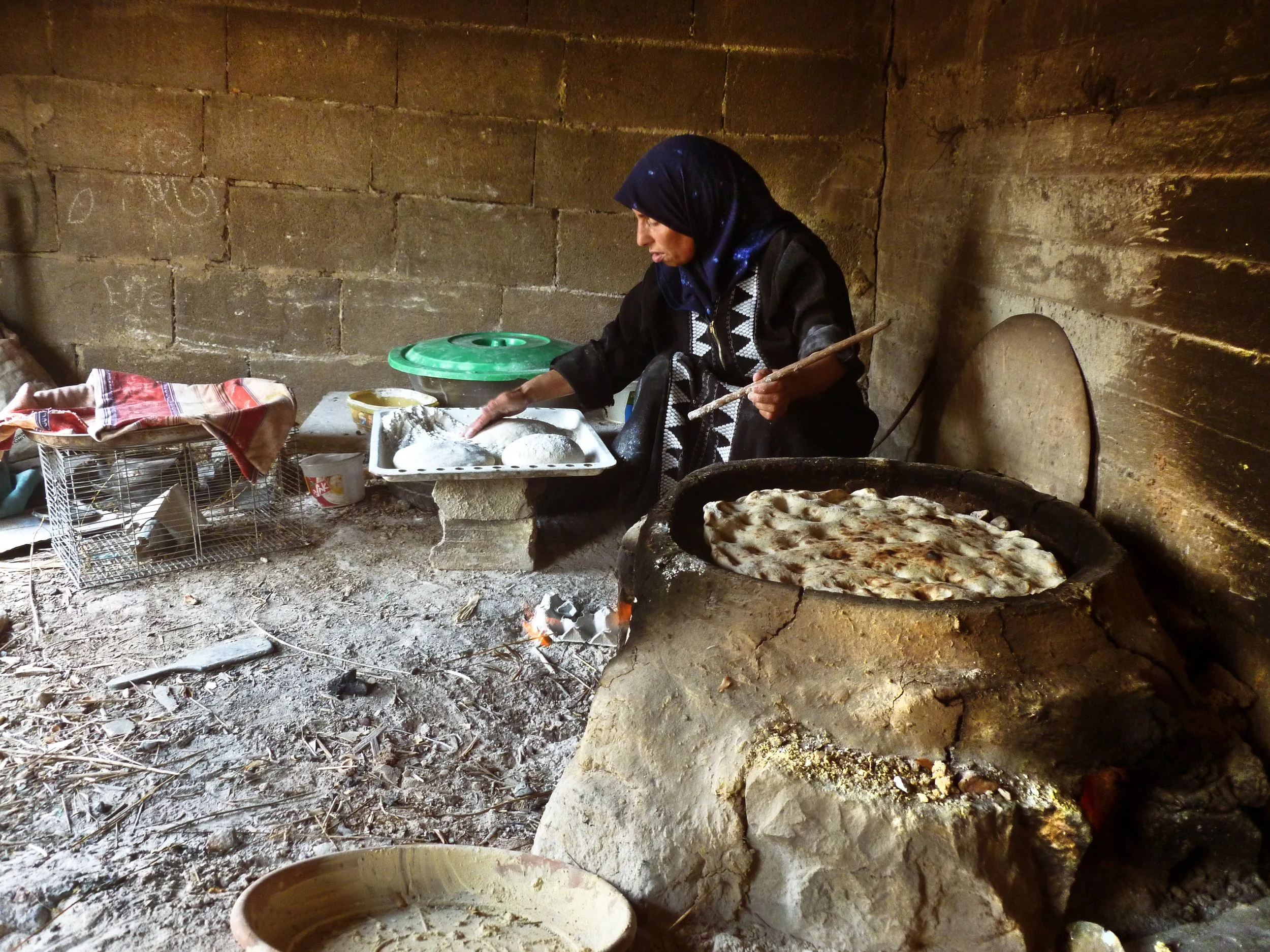
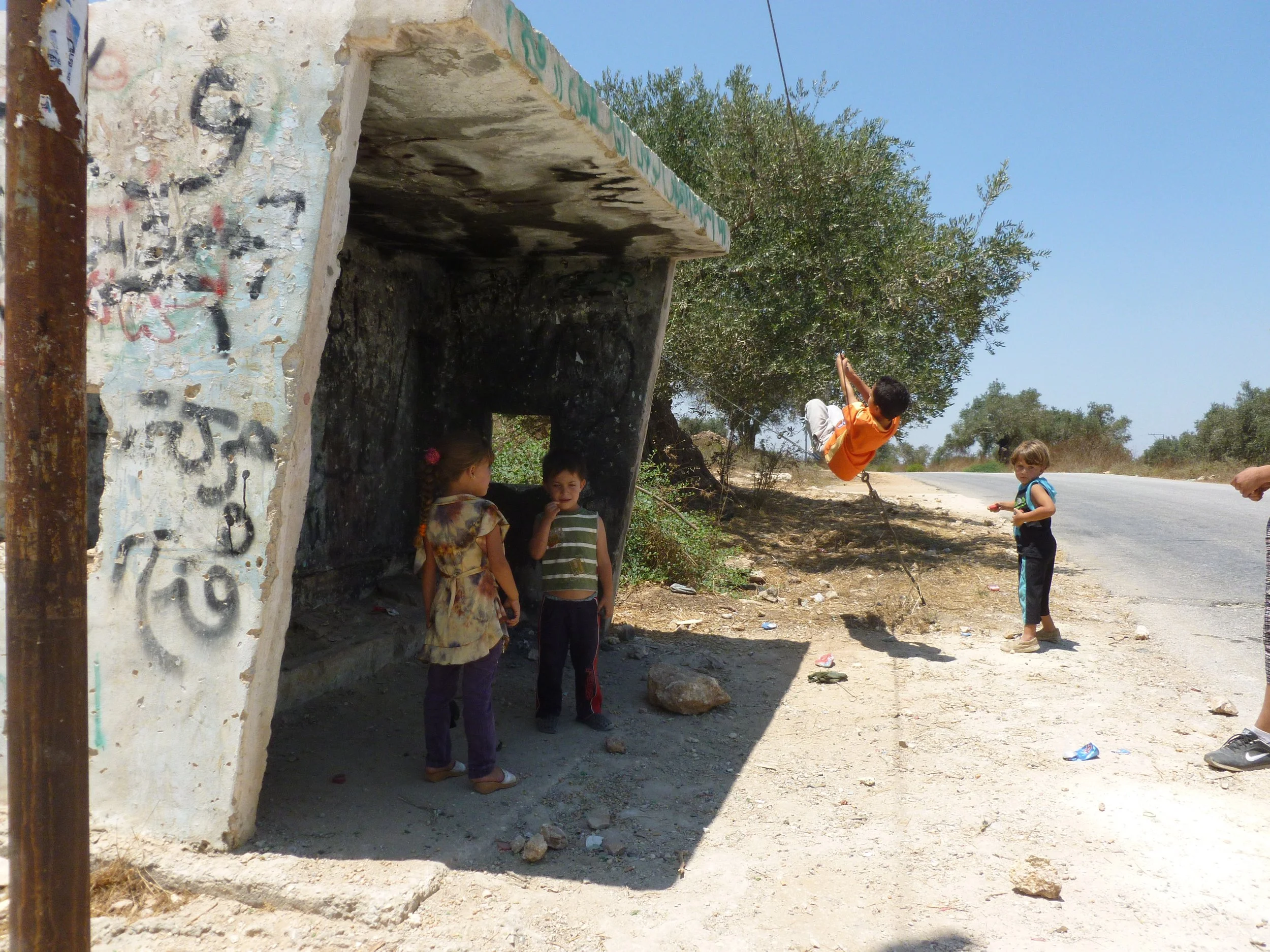
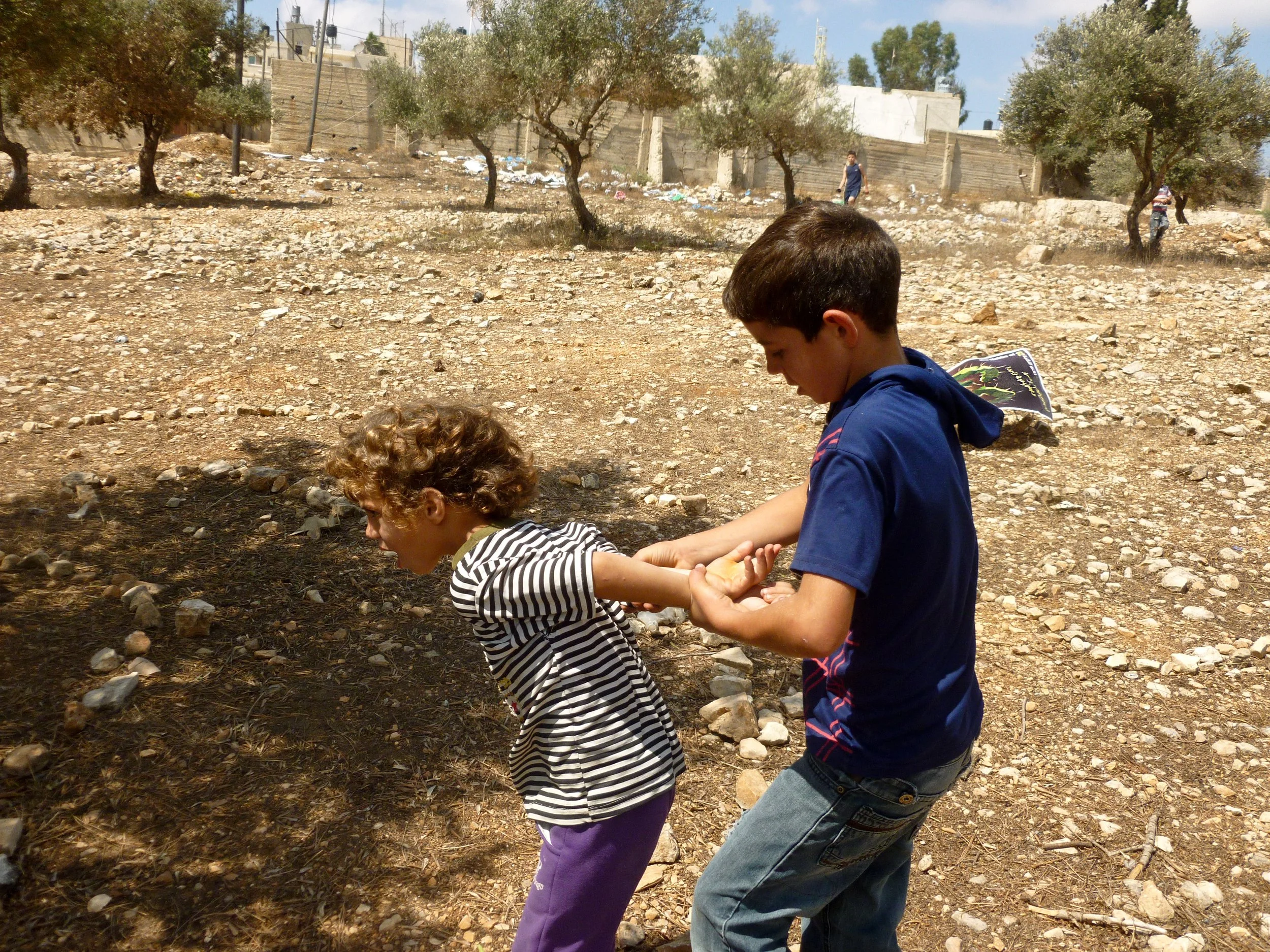
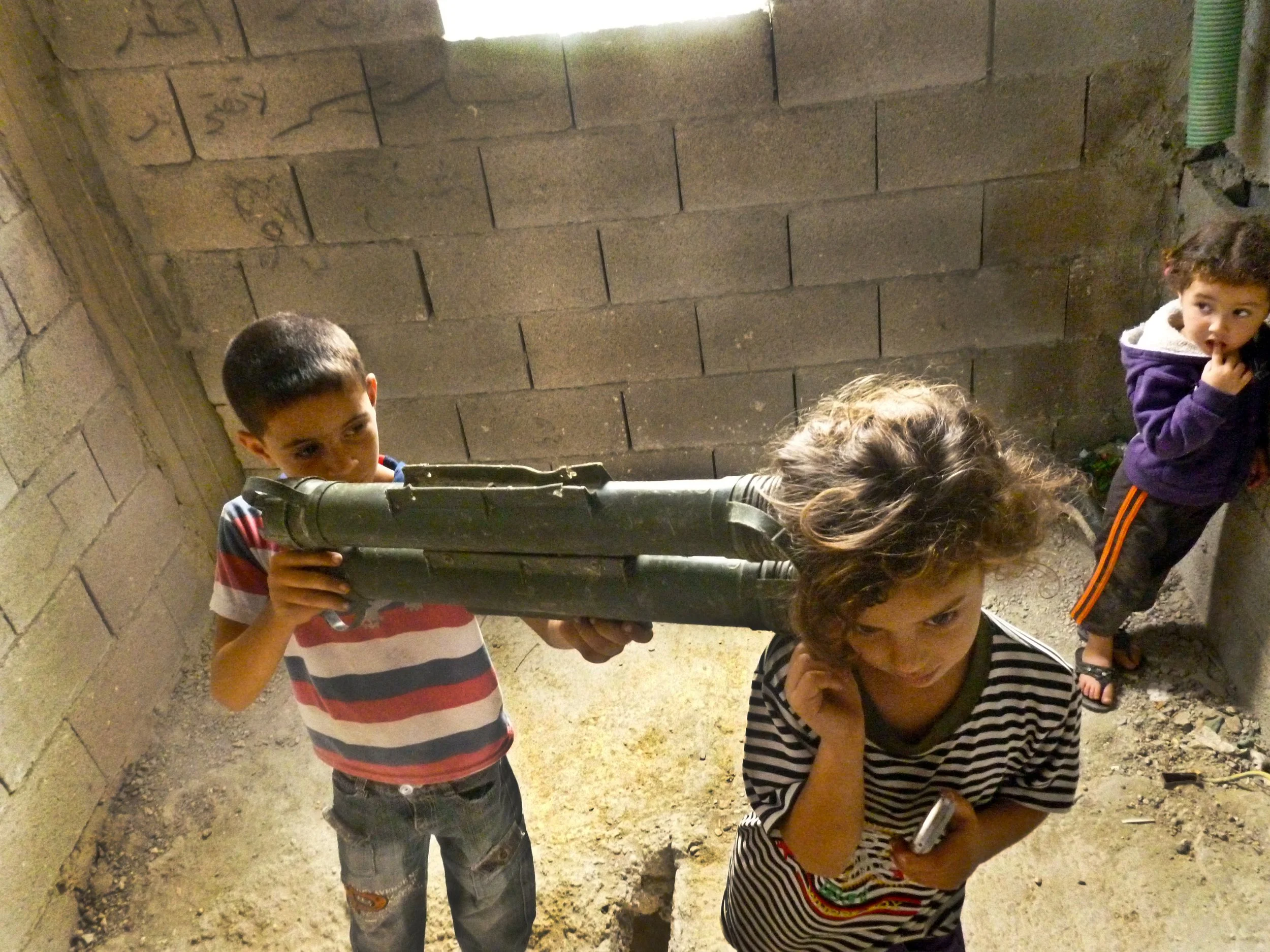
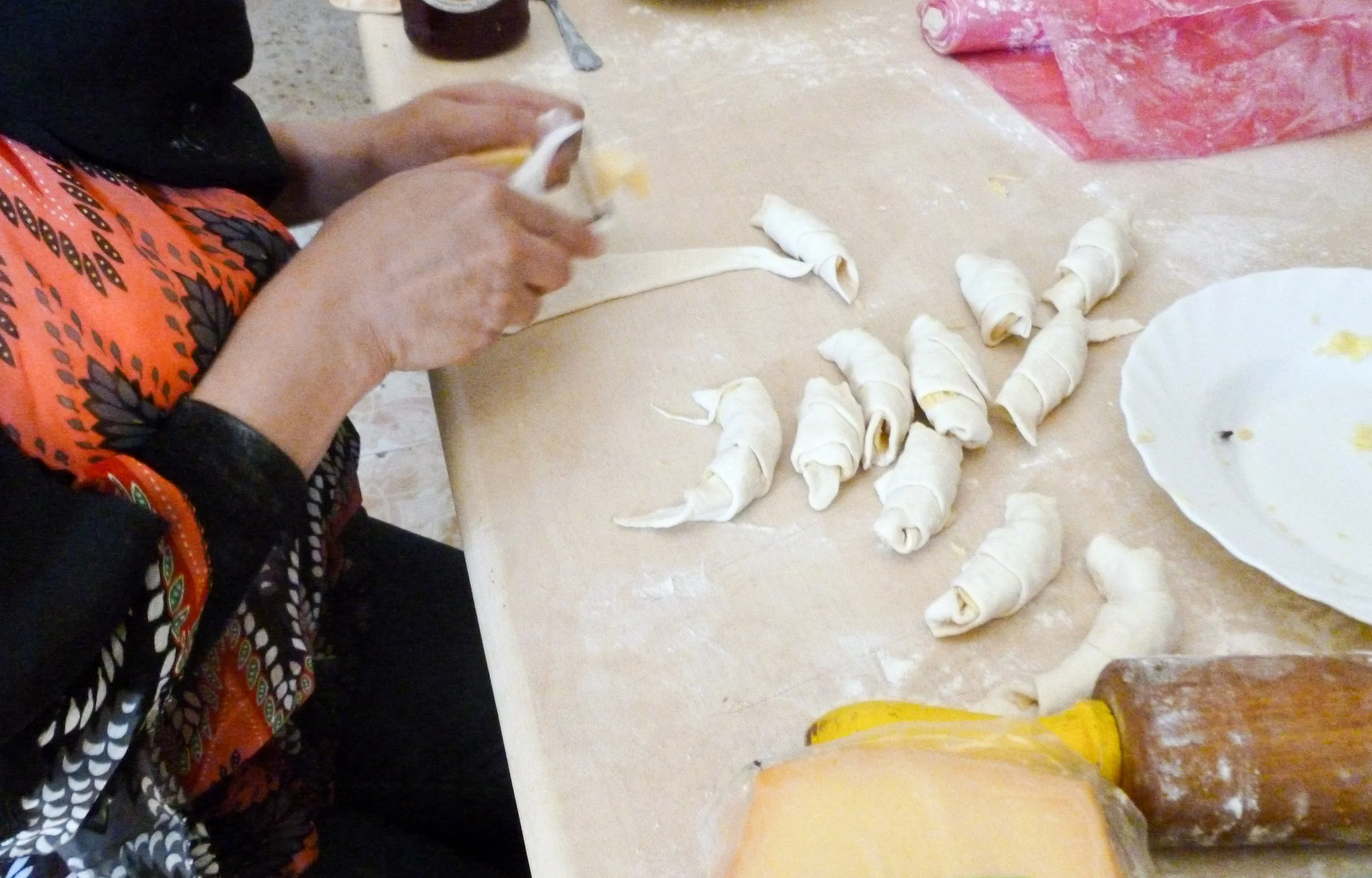
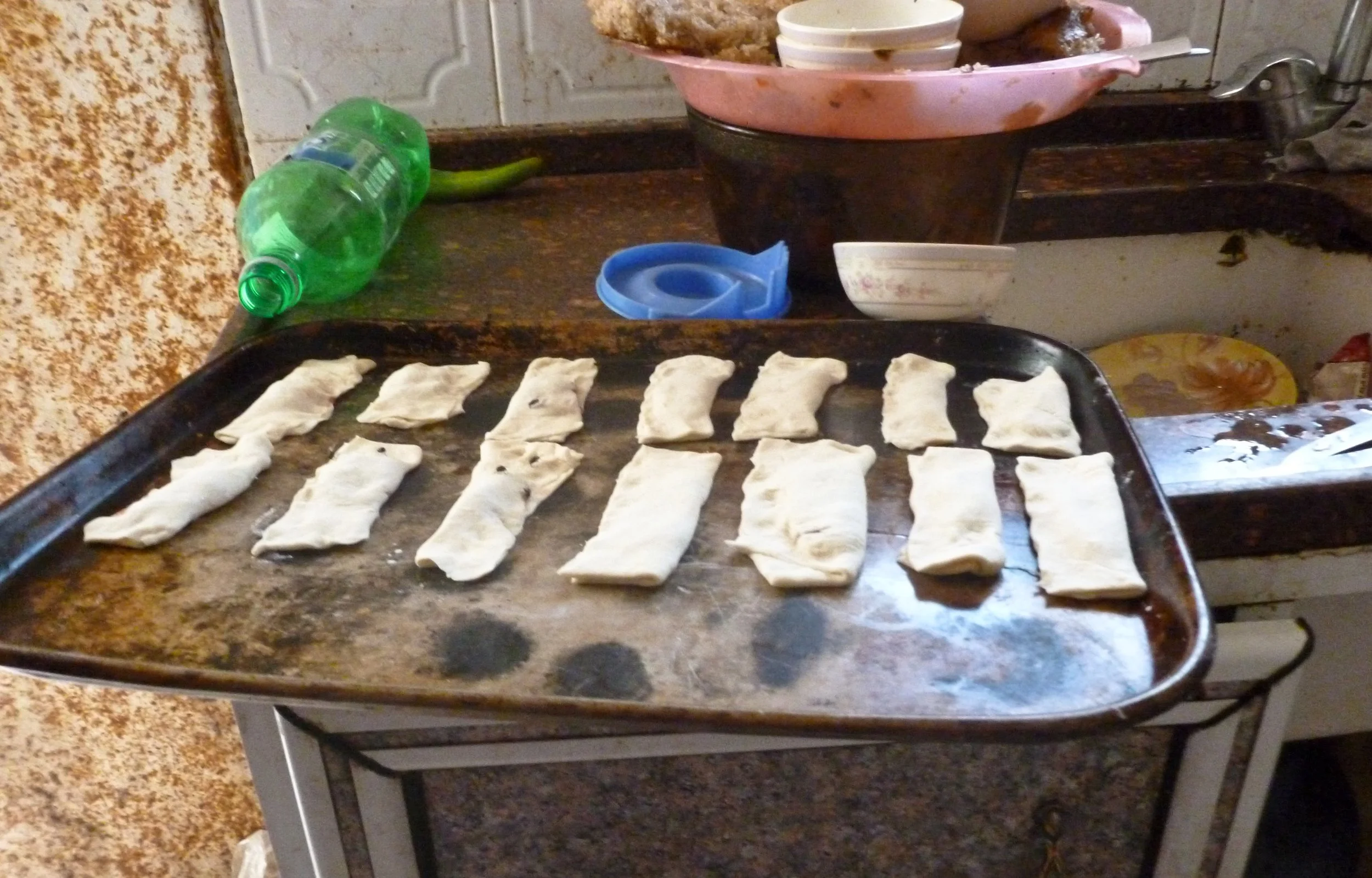
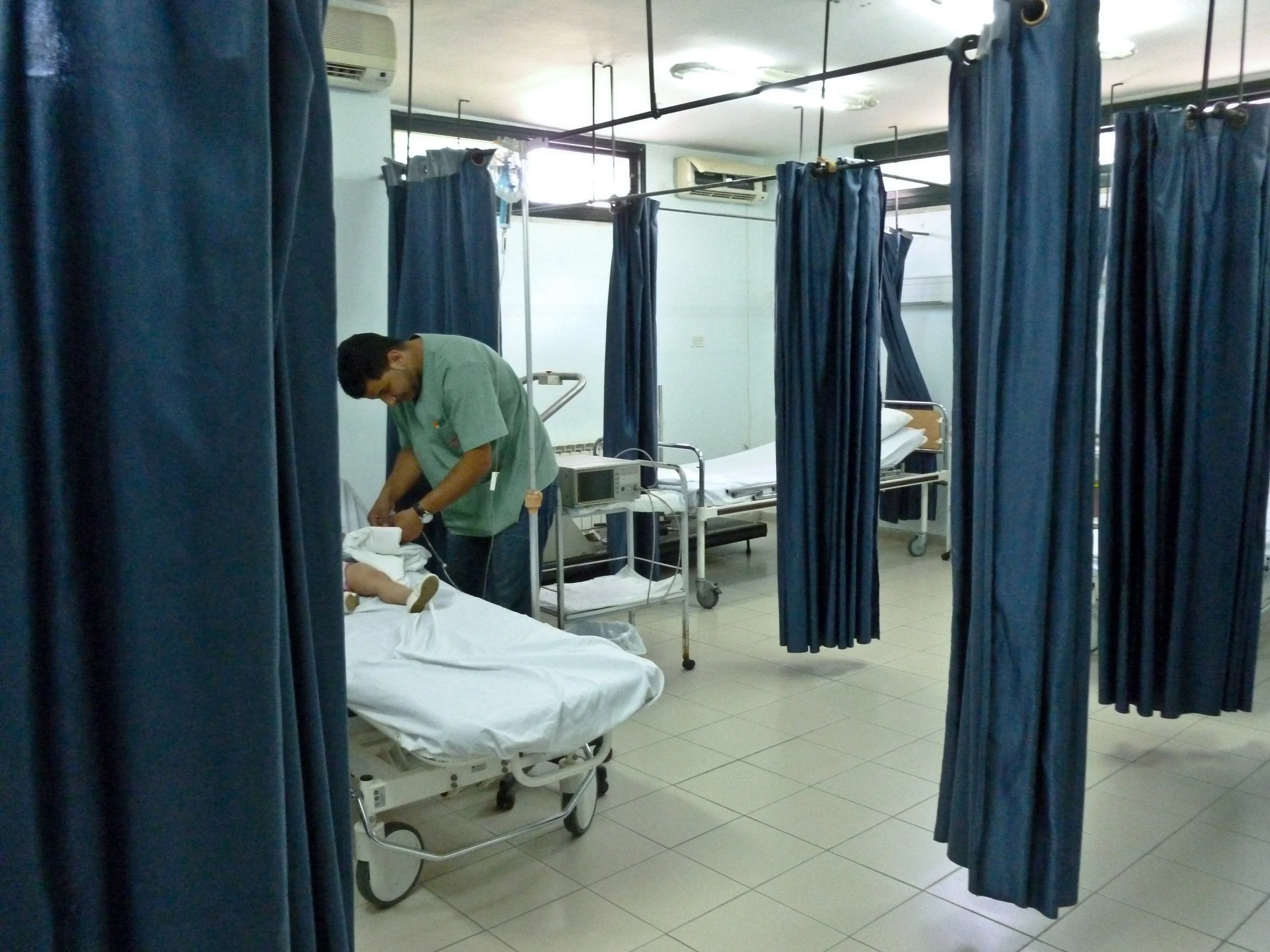
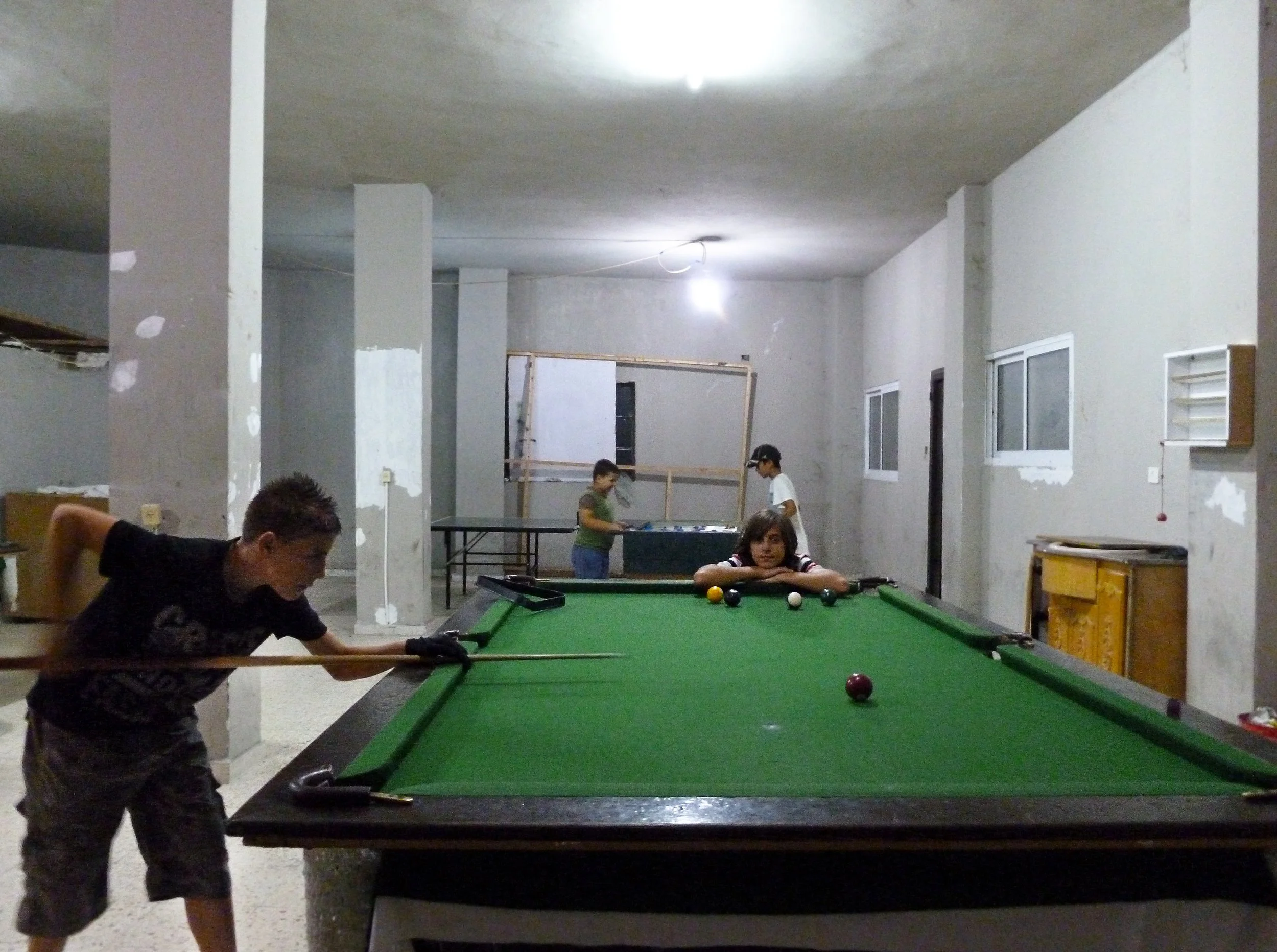
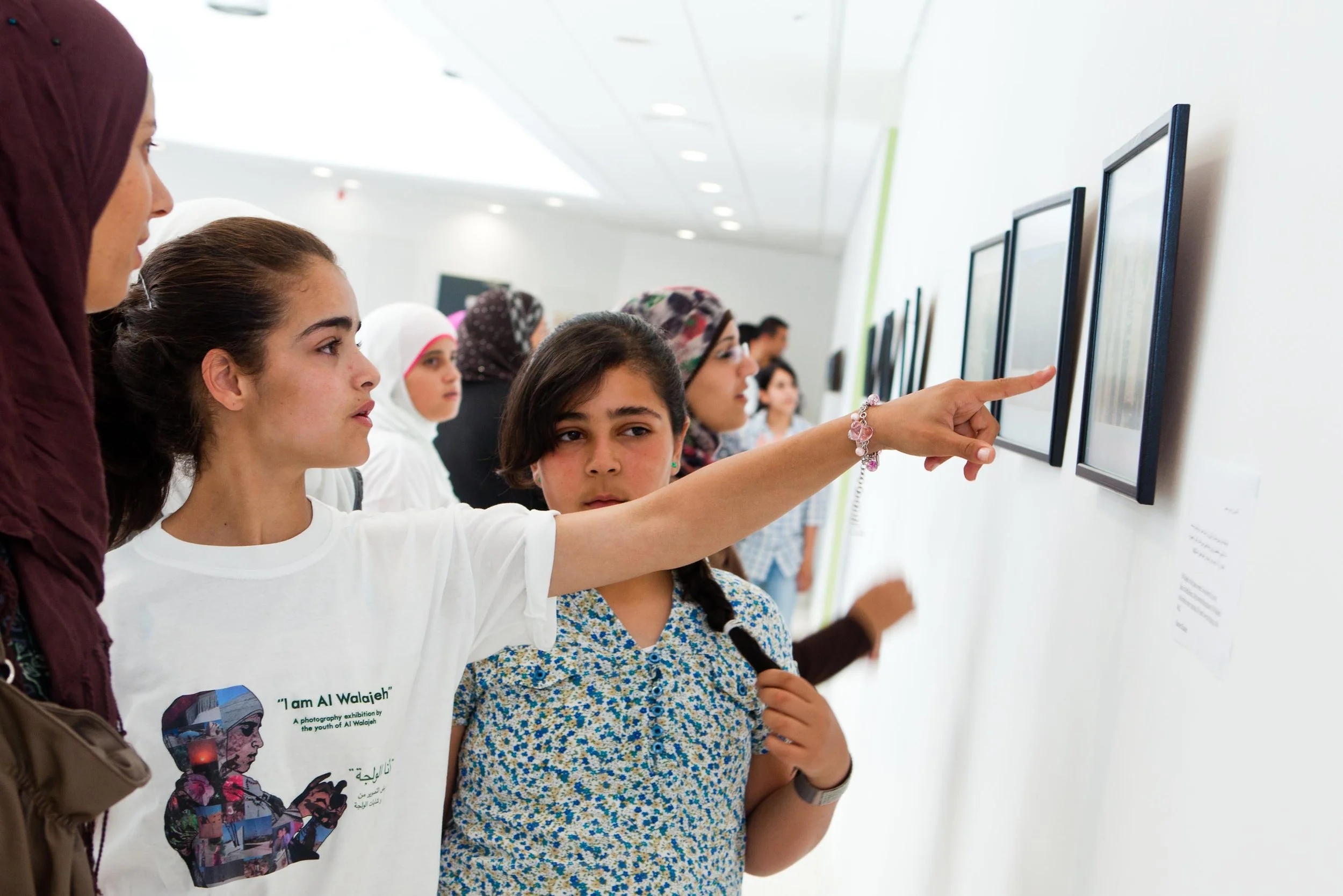
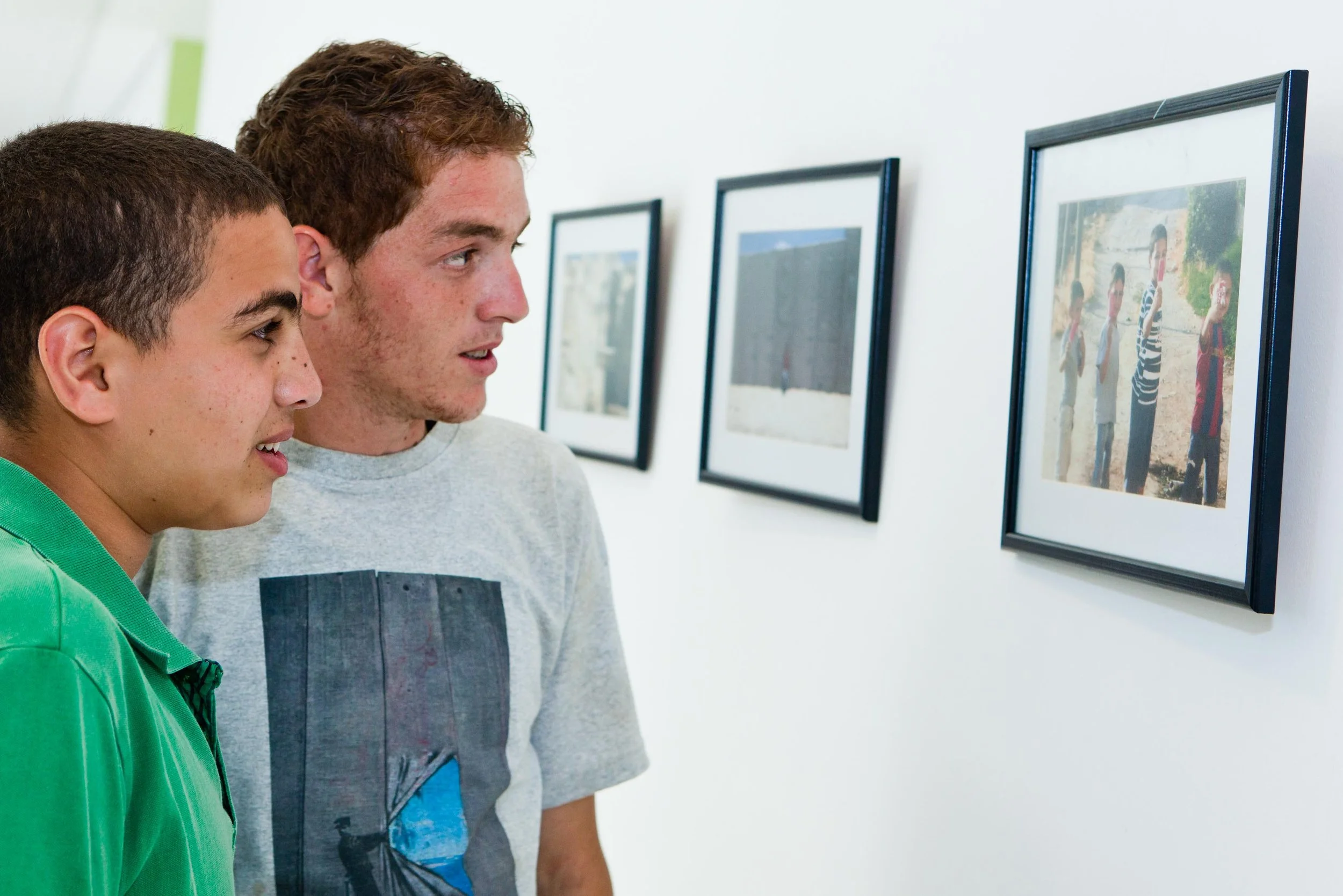
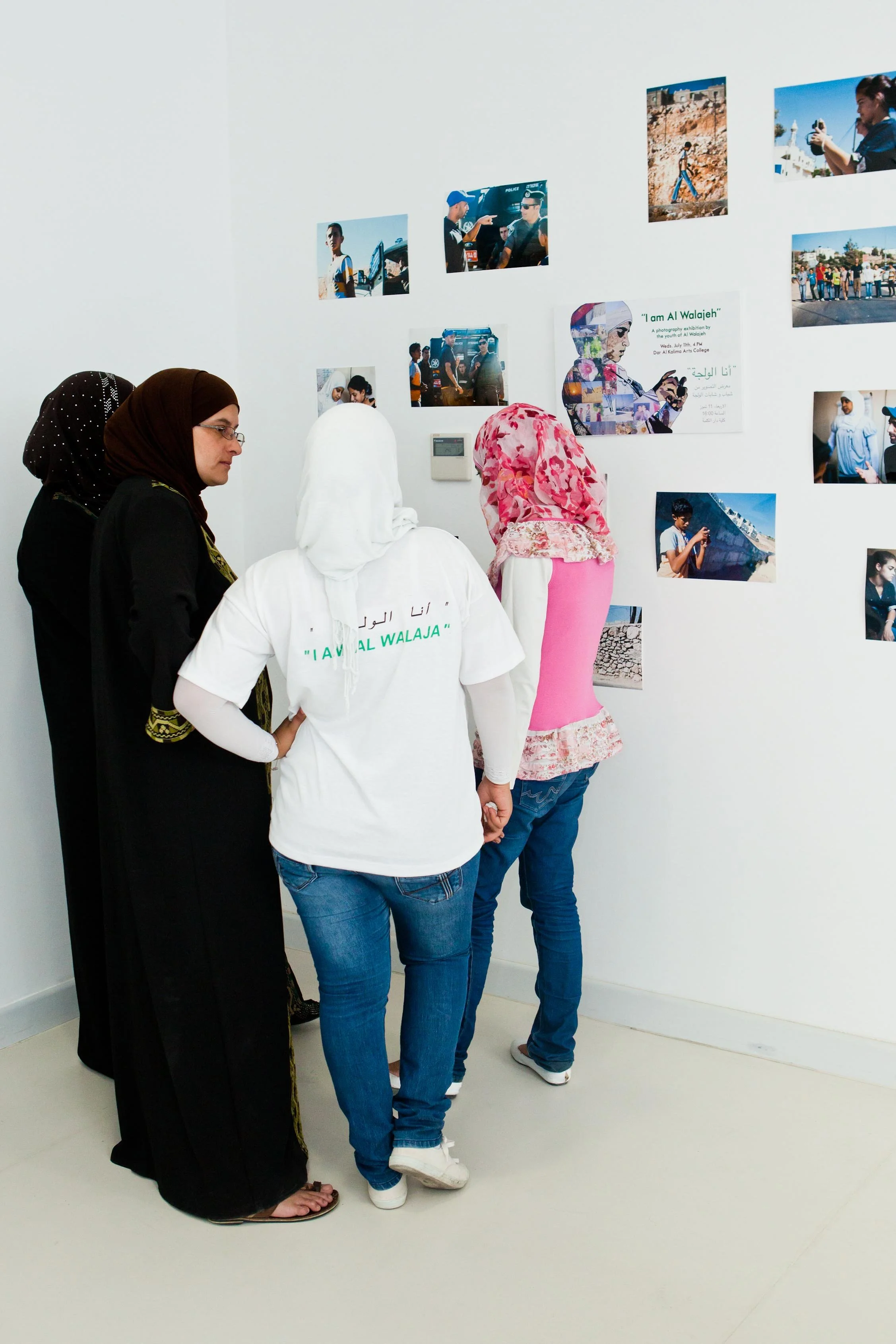
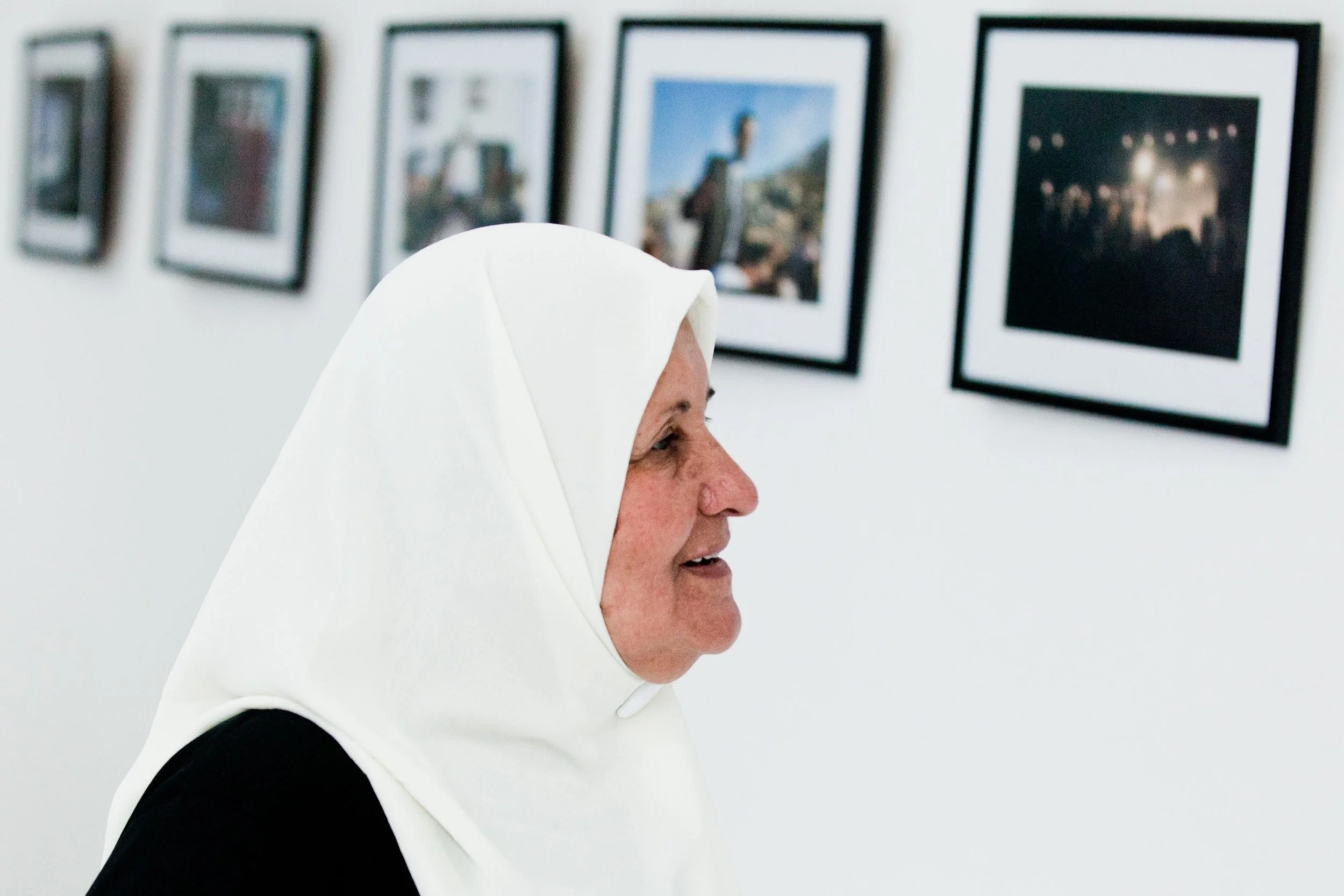
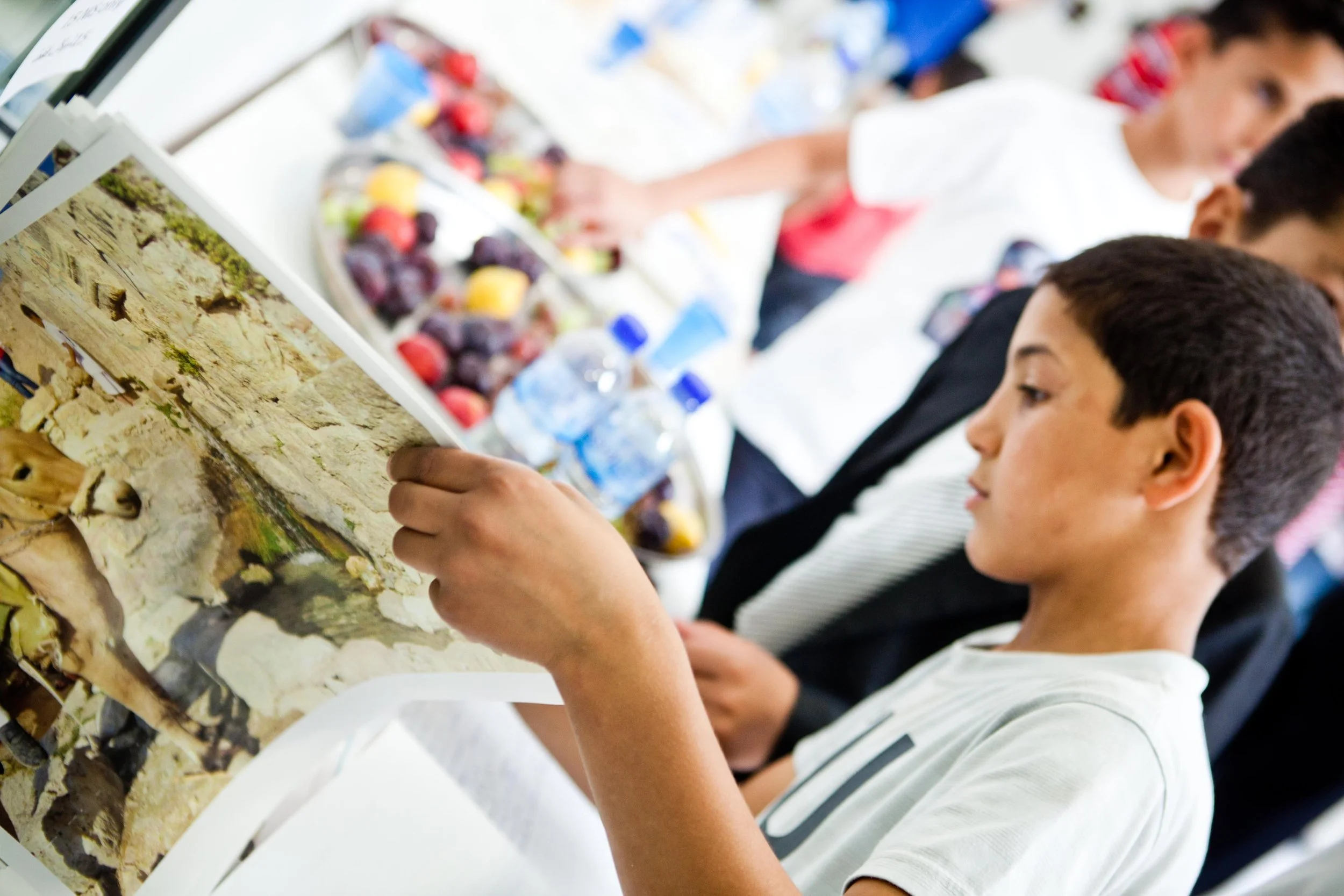
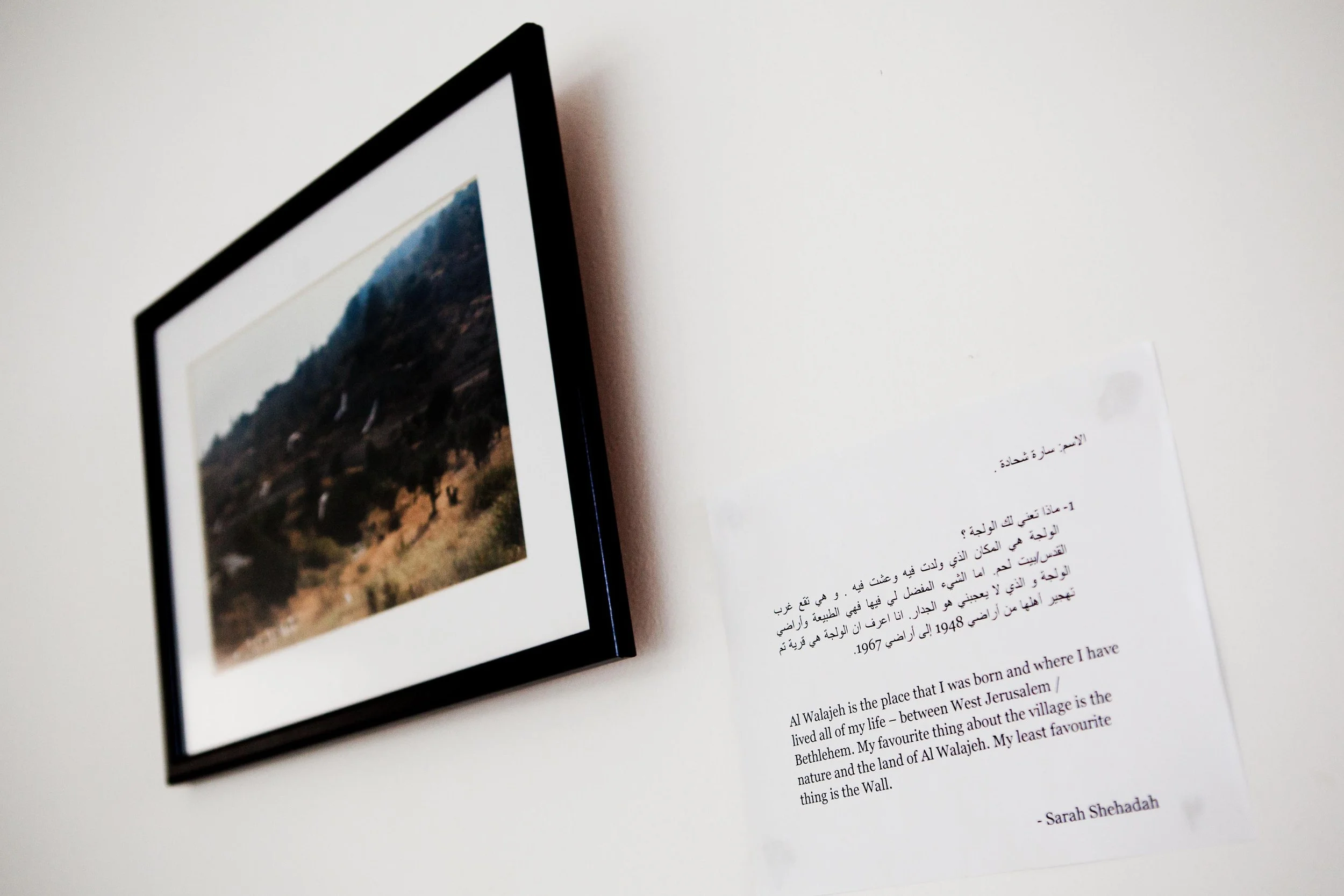
I am Al Walajeh
Exhibited: Dar Kalima College – Bethlehem
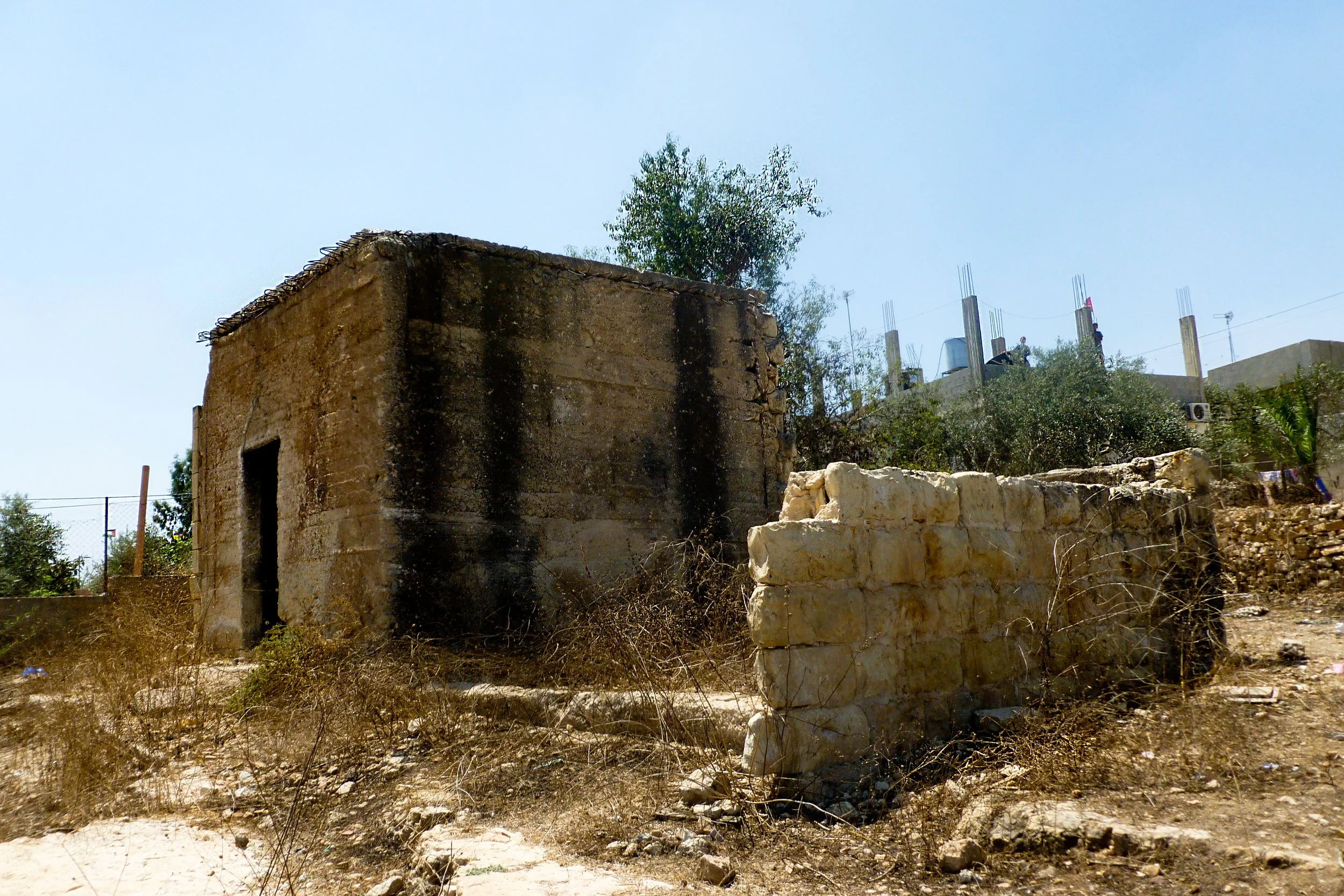
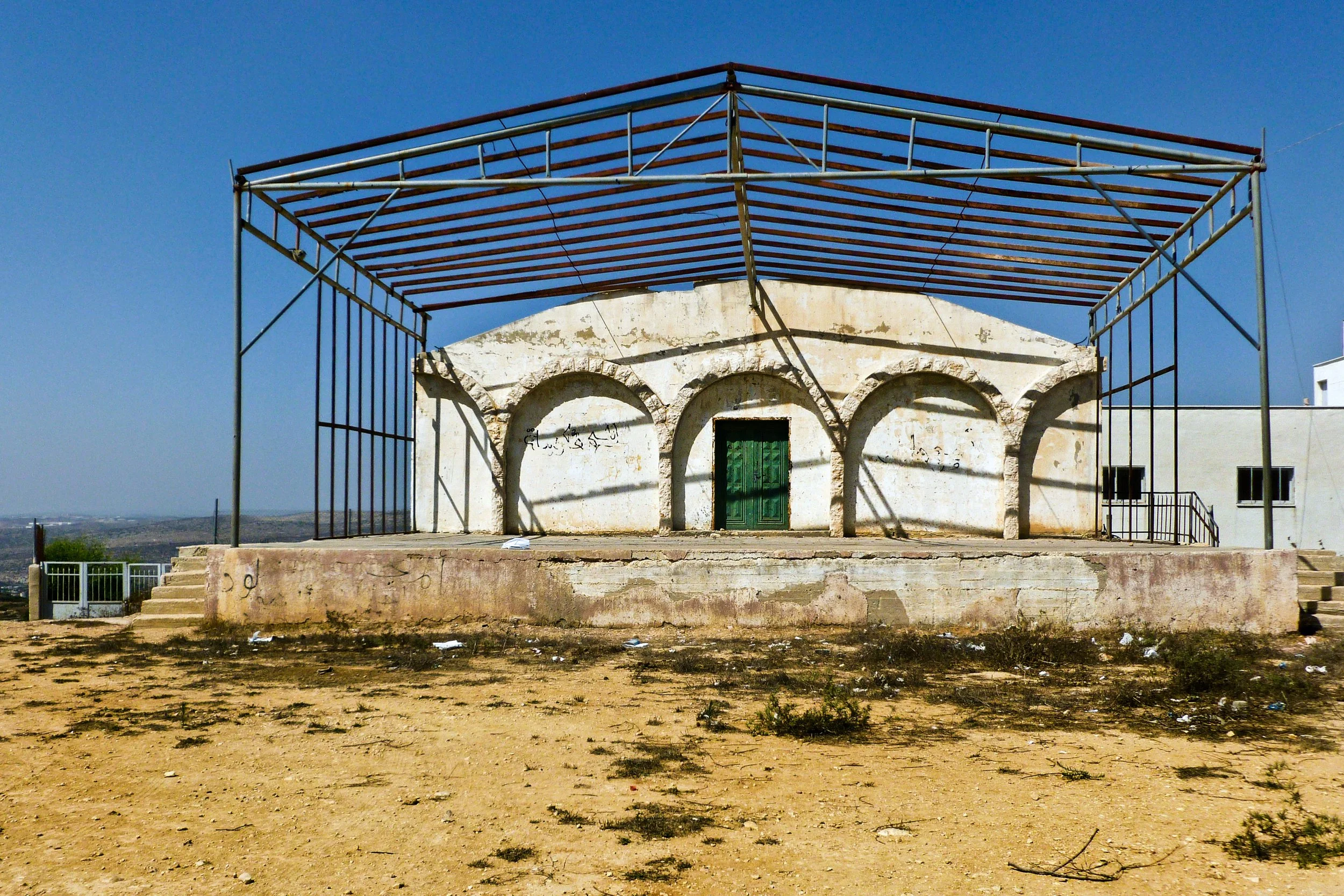
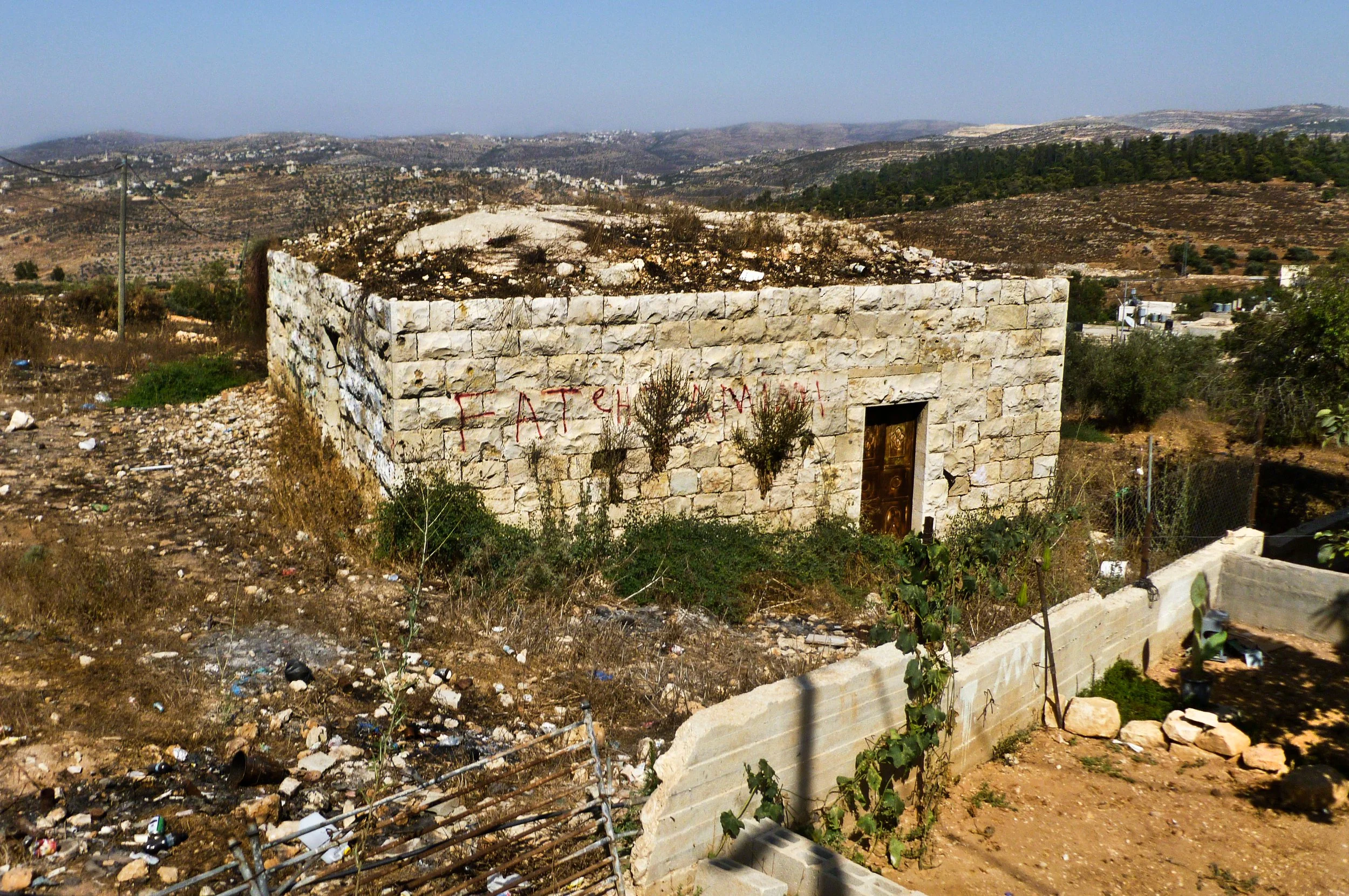
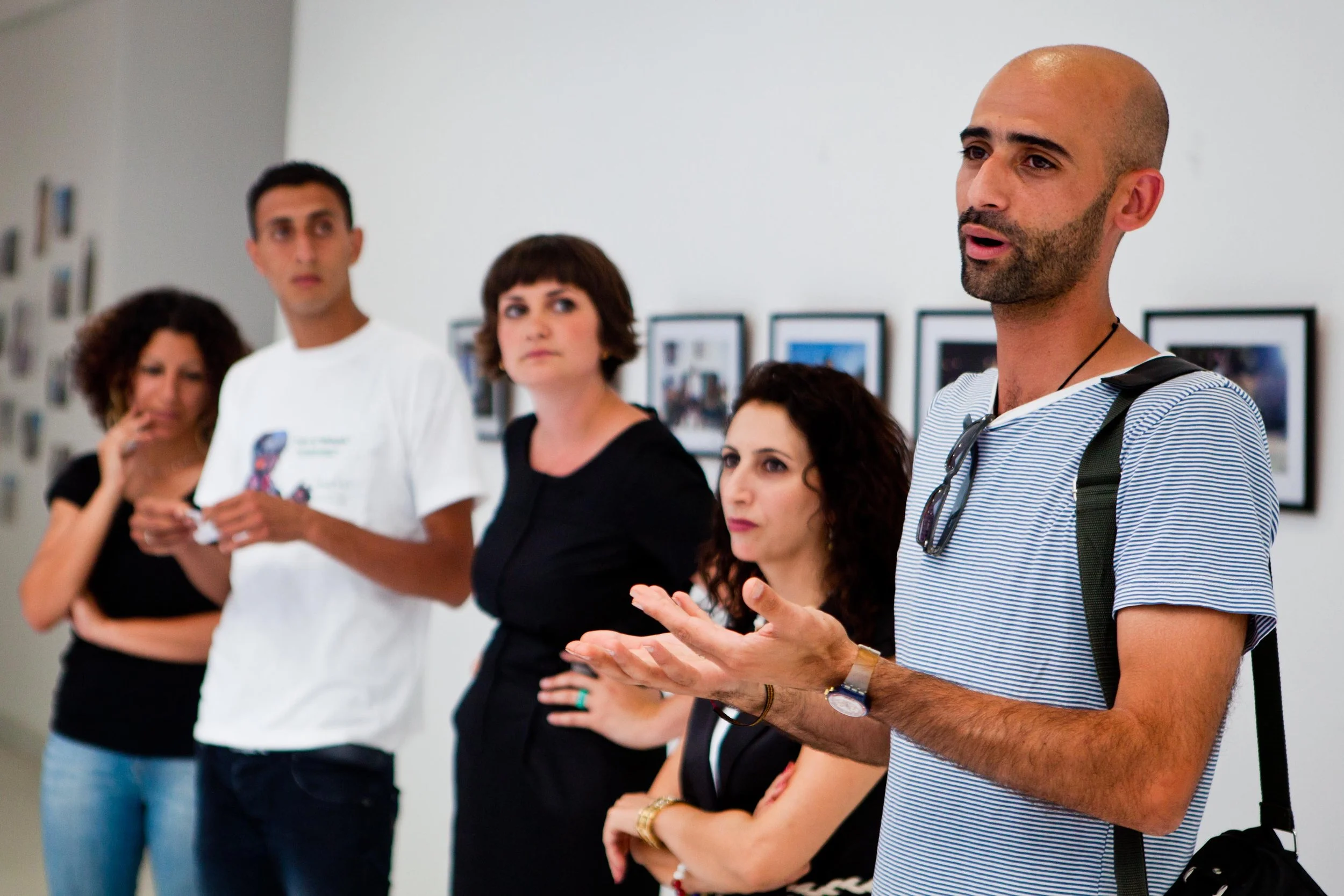
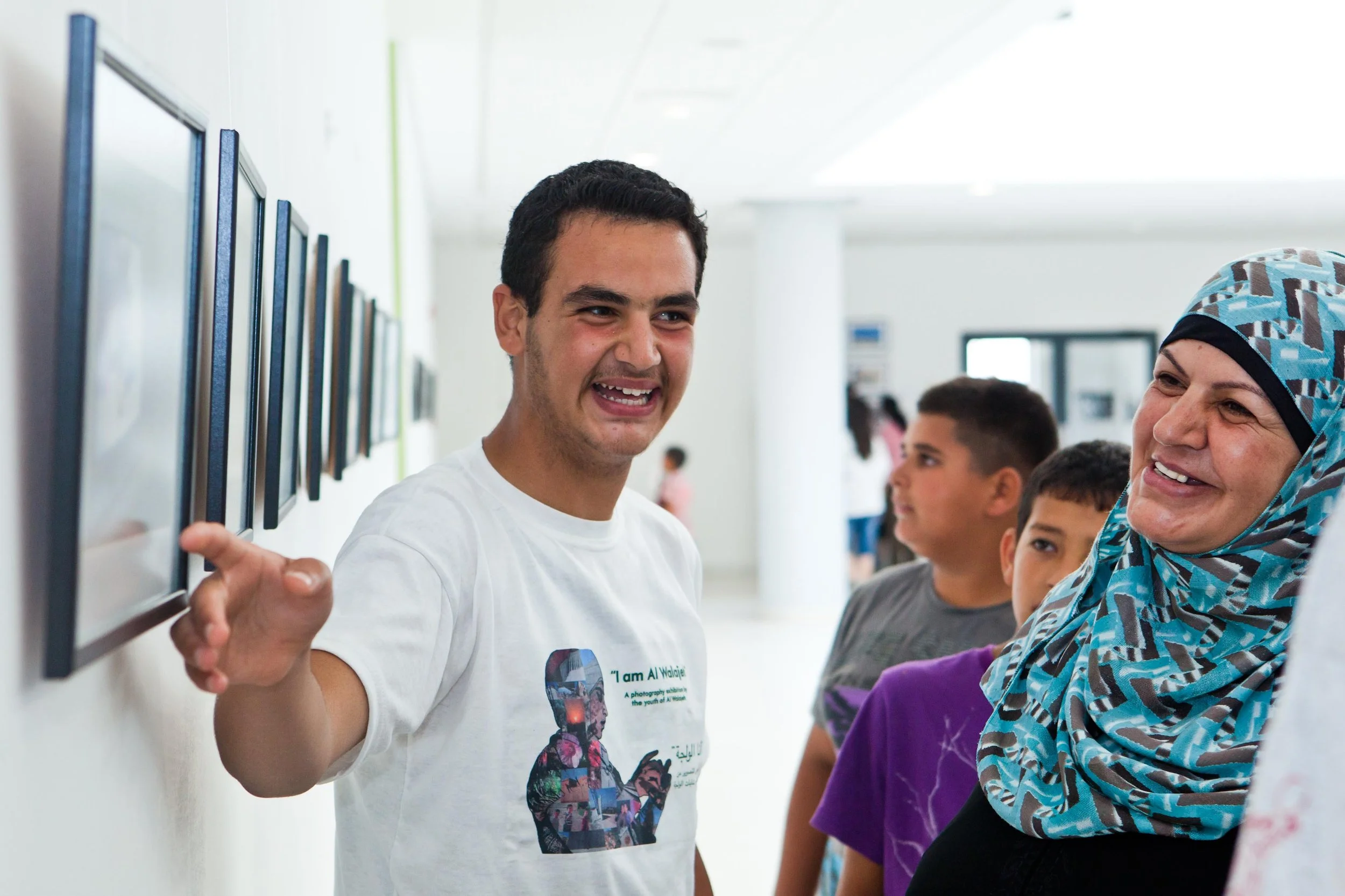
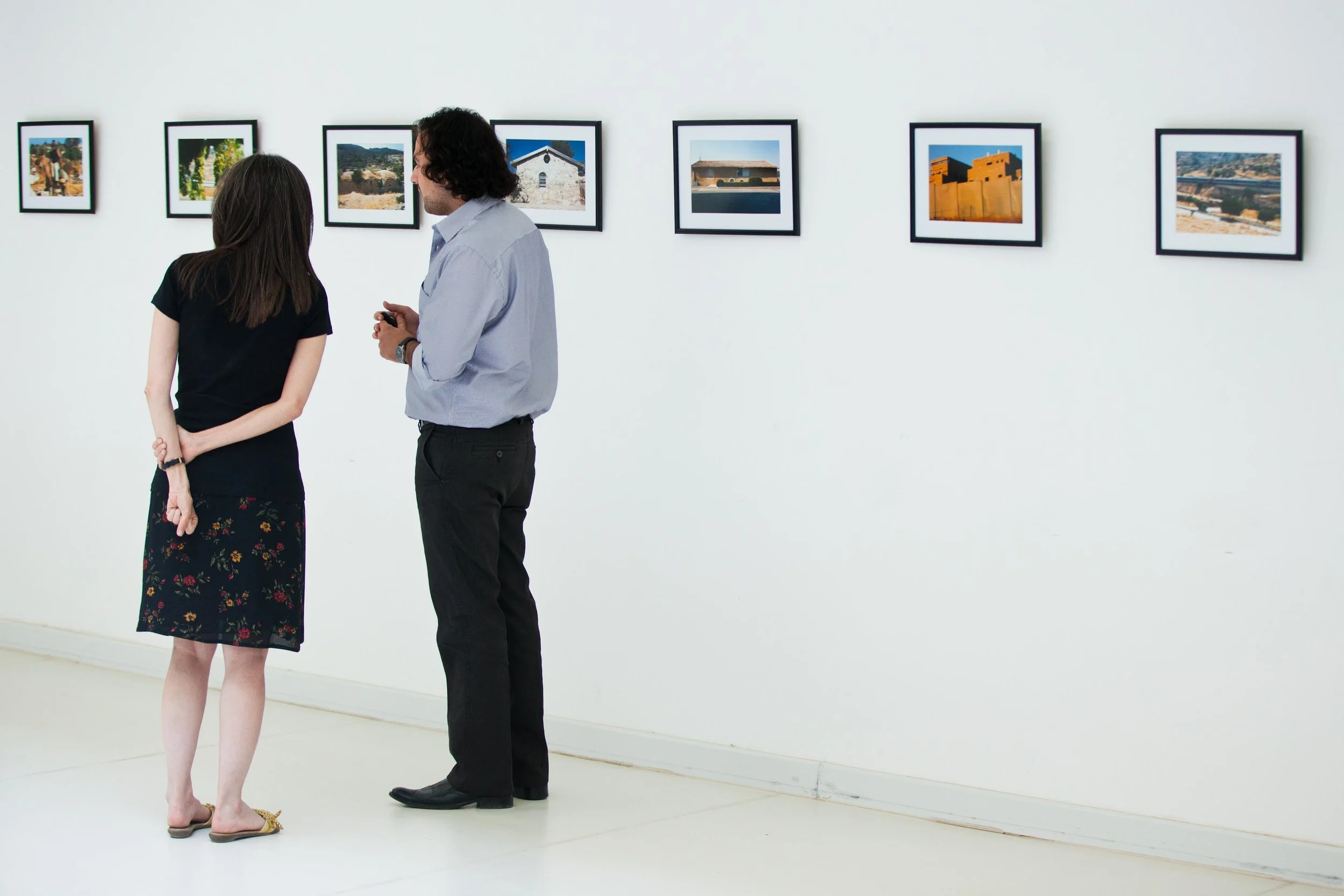
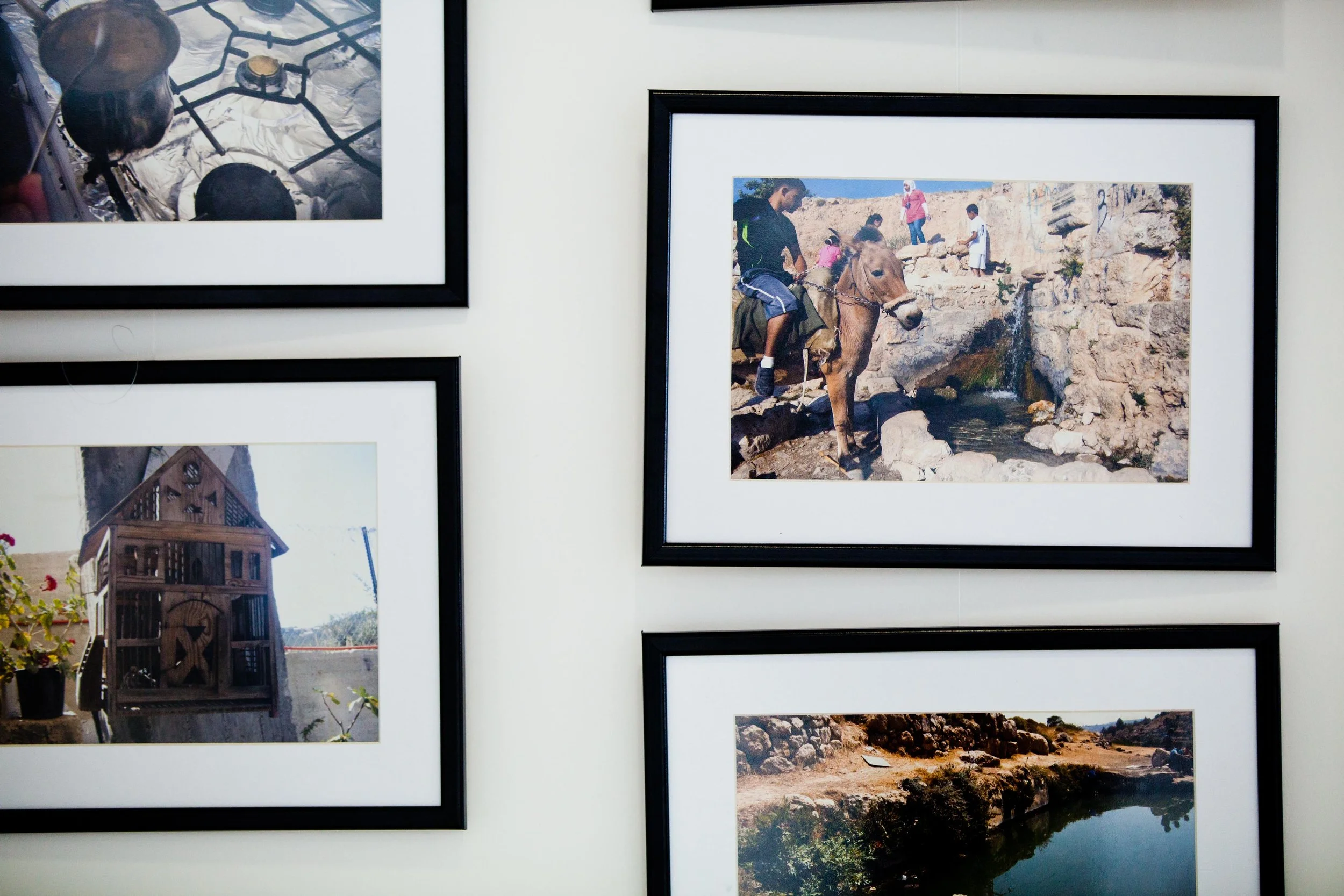
The Al Walajeh’s youth’s images are expressly vacant and removed. They tell a story of a once thriving agricultural community, slowly turned into refugees and pushed from their land. They also tell the story of the challenge of photographing Al Walajeh, whose land is occupied by several settlements, the Apartheid Wall and Israeli soldiers constantly on patrol. Since most Al Walajeh’s population travels outside for work, the children struggled to find people to photograph in their homes and village
I am Al Thoury
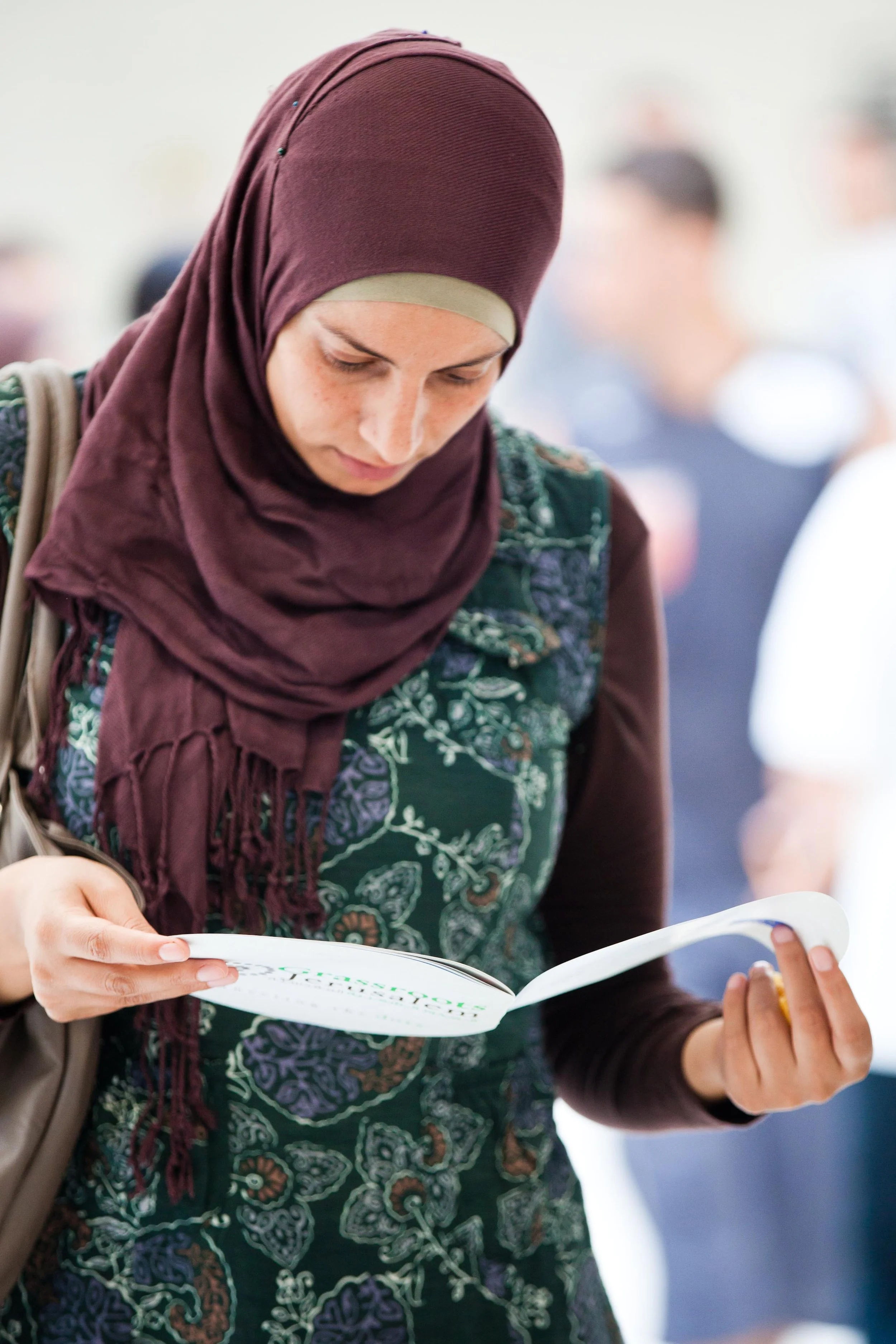
Exhibited: Grassroots Jerusalem Markaz Al Kul
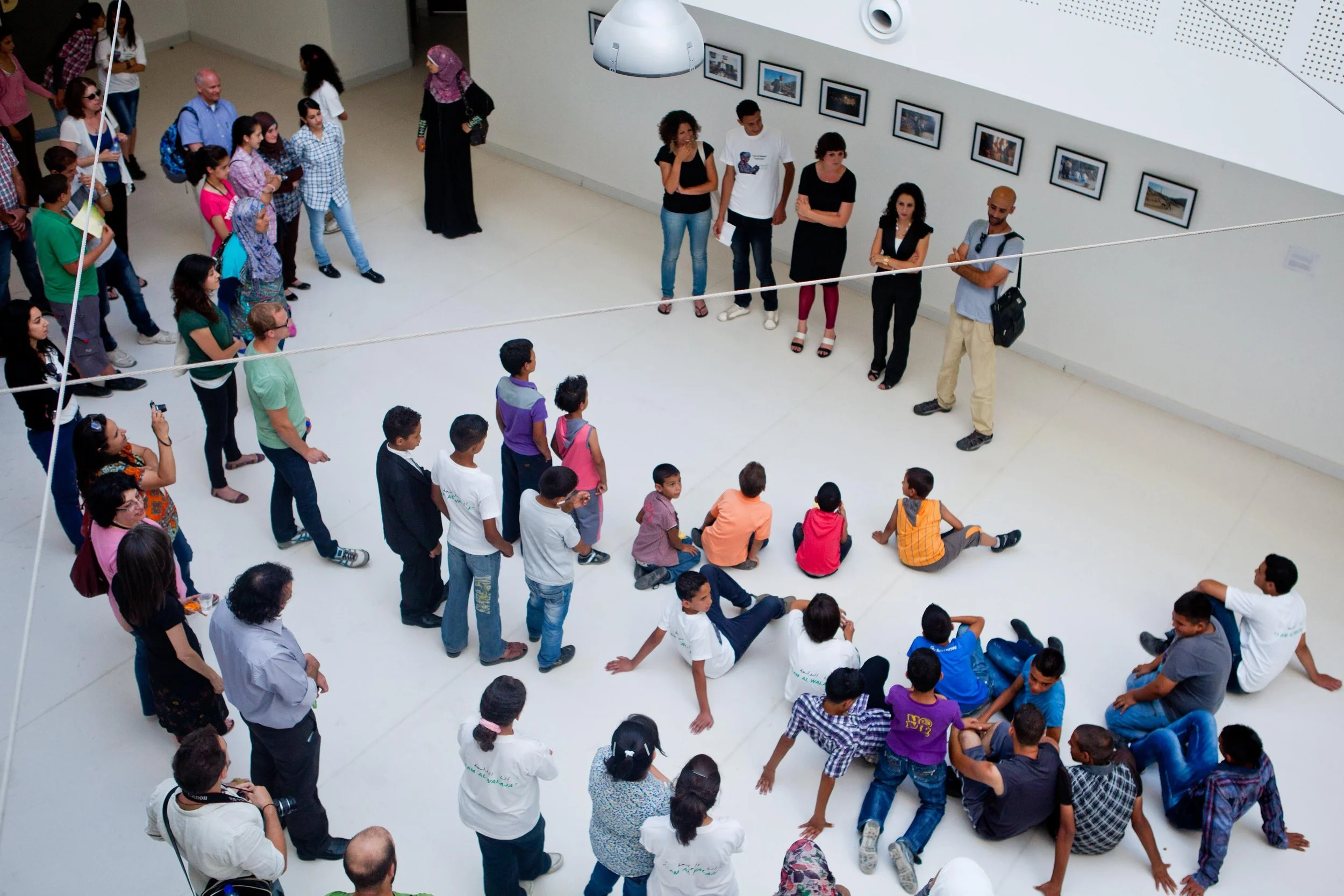
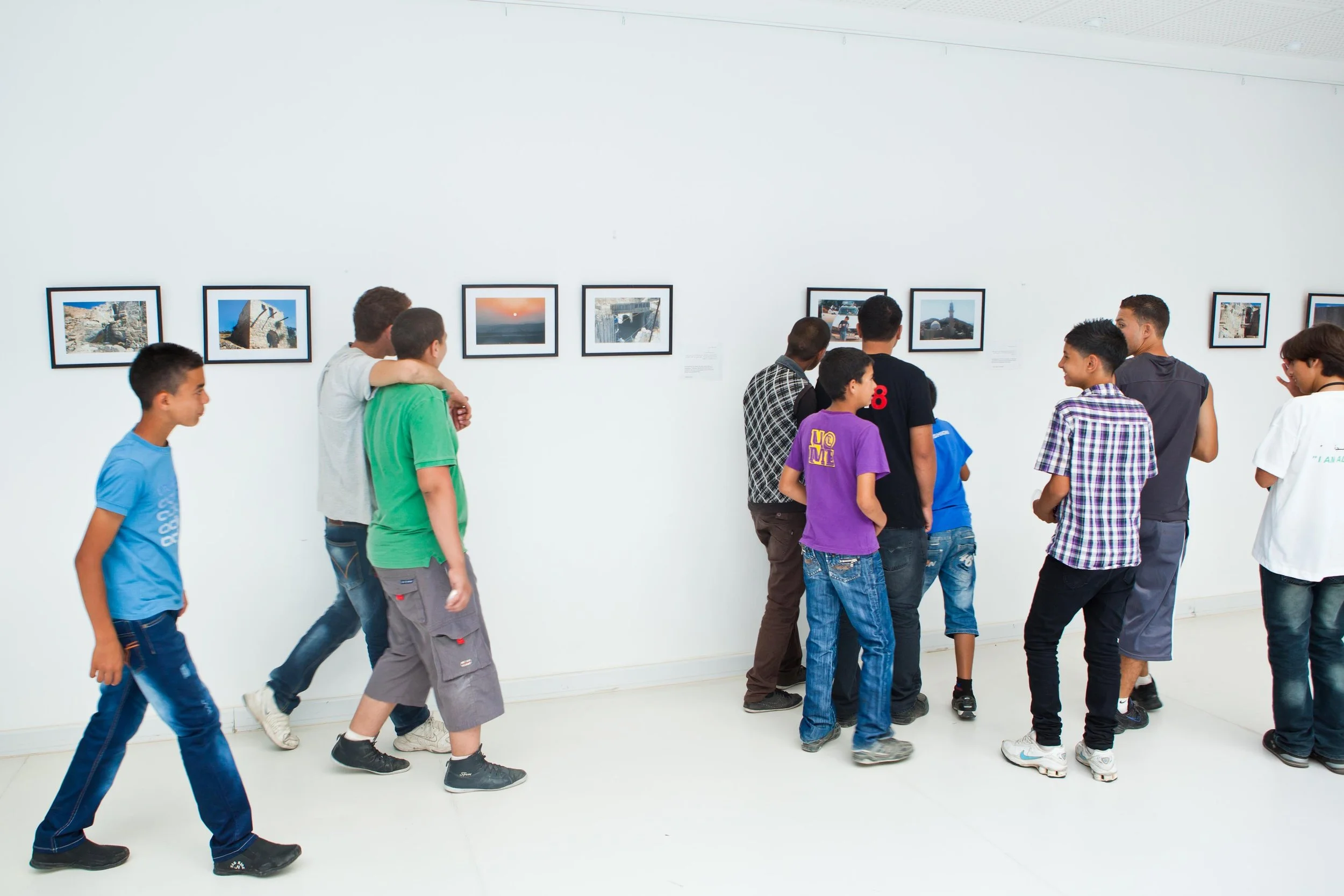
The students’ photographs detail daily life in Al Thoury / Silwan and the difficulties their community faces in receiving serves due to the neglect of the Jerusalem Municipality. Several of the pictures document the massive amounts of trash, unpaved roads and raw sewage that floods their neighborhood.
The exhibition was also the premier of a short film about the human rights violations that students in Al Thoury face and how they are using artistic expression to advocate for change. In the short movie students spoke about how their “Jewish neighbors – who live directly next to them – receive full services and live in much better conditions” and how they could use a video camera to show the world the “unjust difference between Palestinian and Jewish neighborhoods, even though they are right next to each other” and pay the same taxes.