Collage Practice
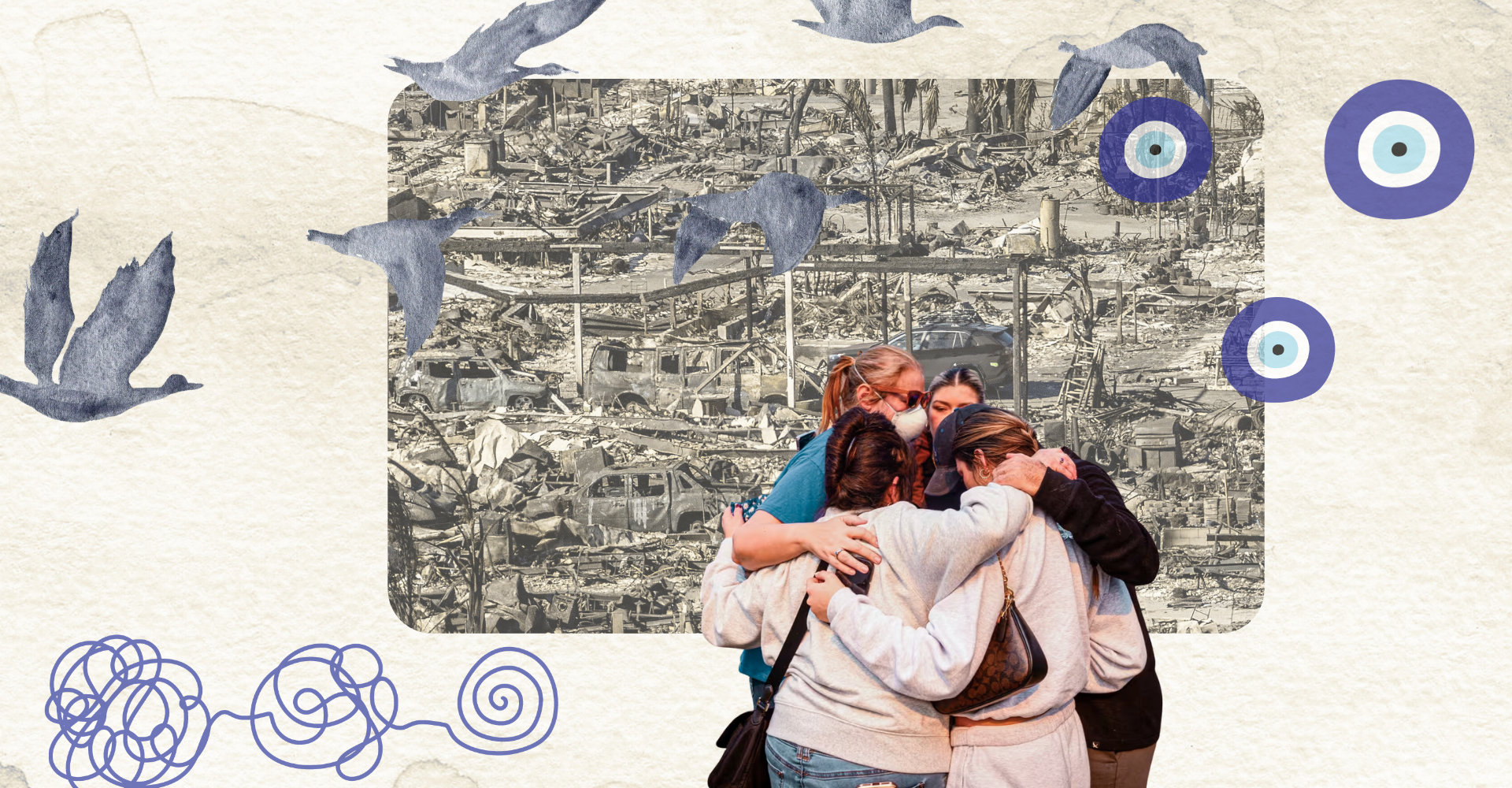
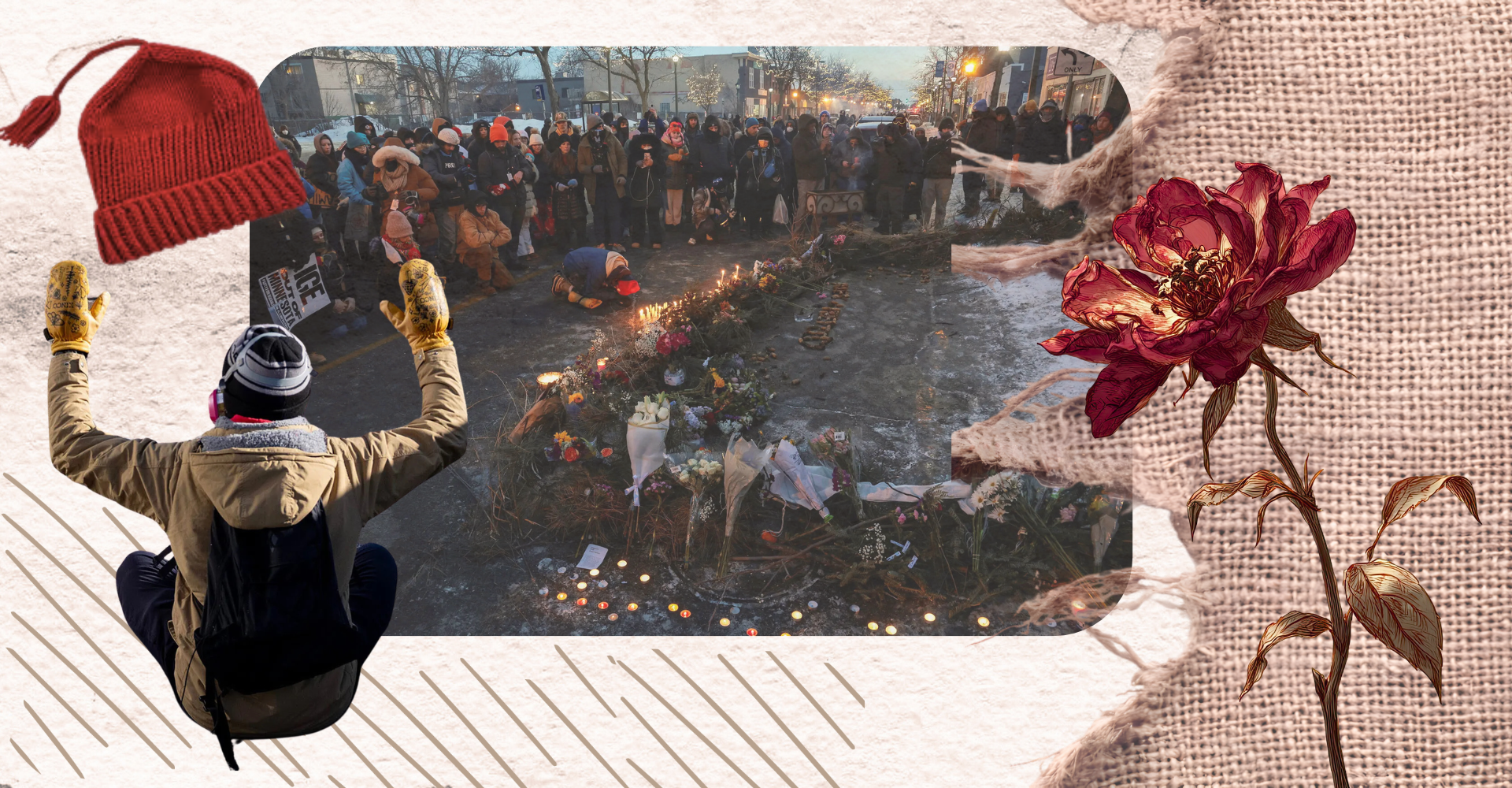
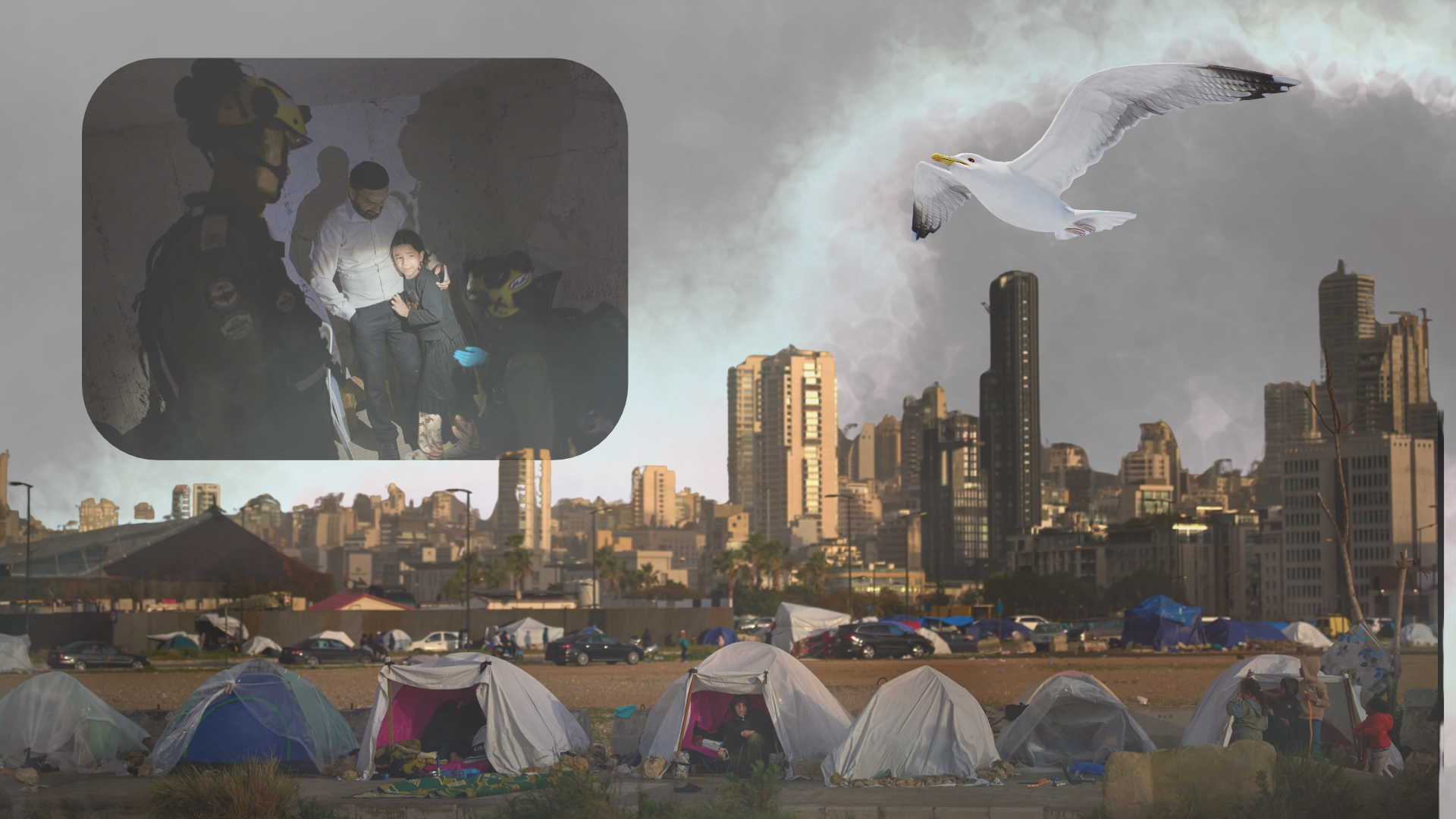
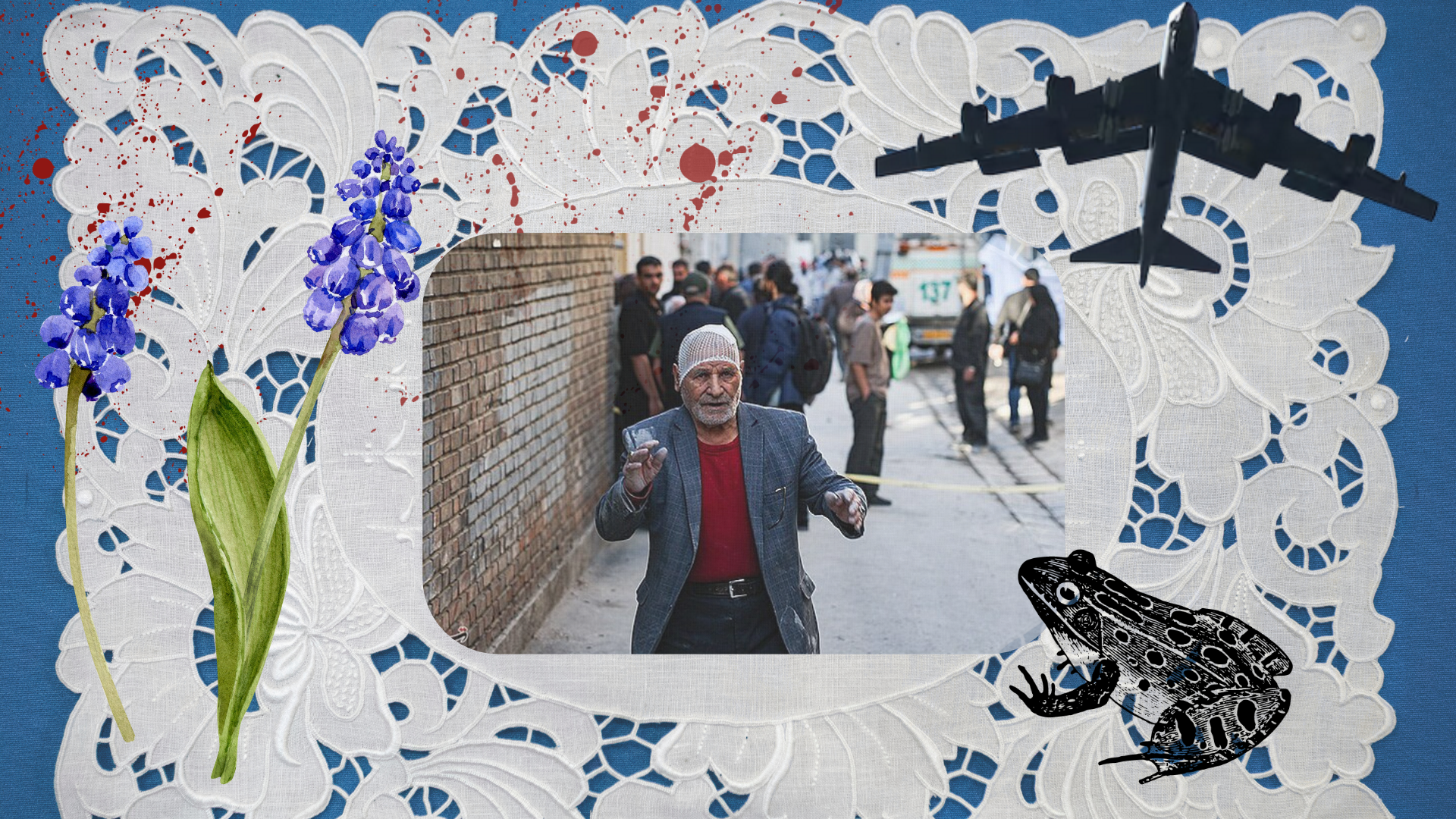
I treat collage as a method of memorialization, mourning and radical amazement. In each piece, I try to hold both wonder and grief in the same frame.
I combine documentary photographs, watercolor, hand-drawn graphics and images of fabric. The cloth, whether burlap, lace, linen or embroidered trim, recalls a textile world inside a digital space: a reminder of the hands, homes and rituals that cloth has always carried. The collages also follow the Victorian mourning albums, a culture that made death visible instead of hiding it.
I come to collage through my family. My grandparents and my mother painted, made collage and decorated their homes and shops. I inherited from them a way of arranging image, color and cloth to beauty, grief and protest from scraps. I made collages, scrapbooks and mixed media paintings growing up. Then in 2014, after years of photography, I started to make digital collage as a way to protest the divided realities I witnessed in scenic touristic Tel Aviv and the Israeli occupation of Palestine.


Anti-War Collage
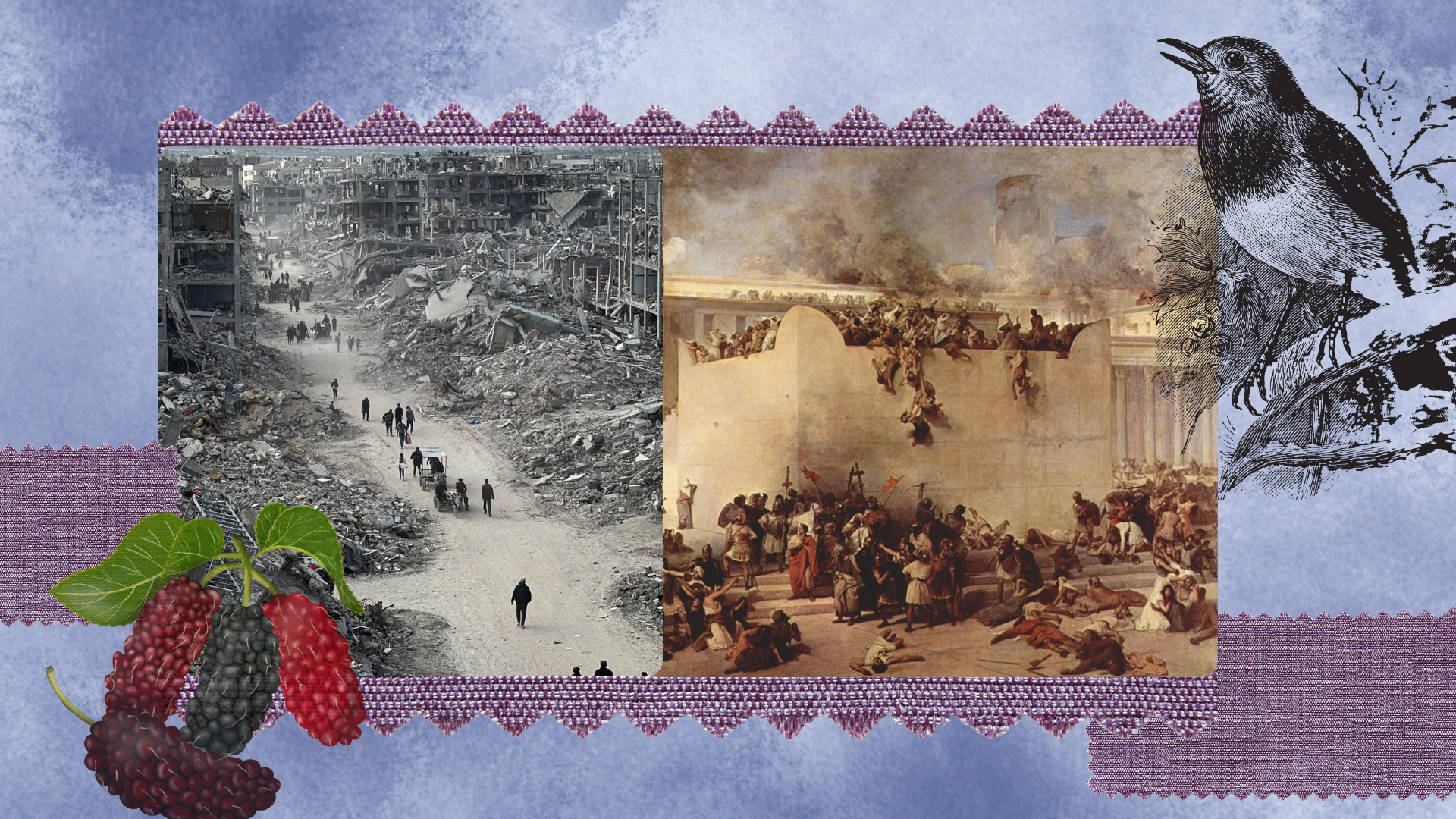
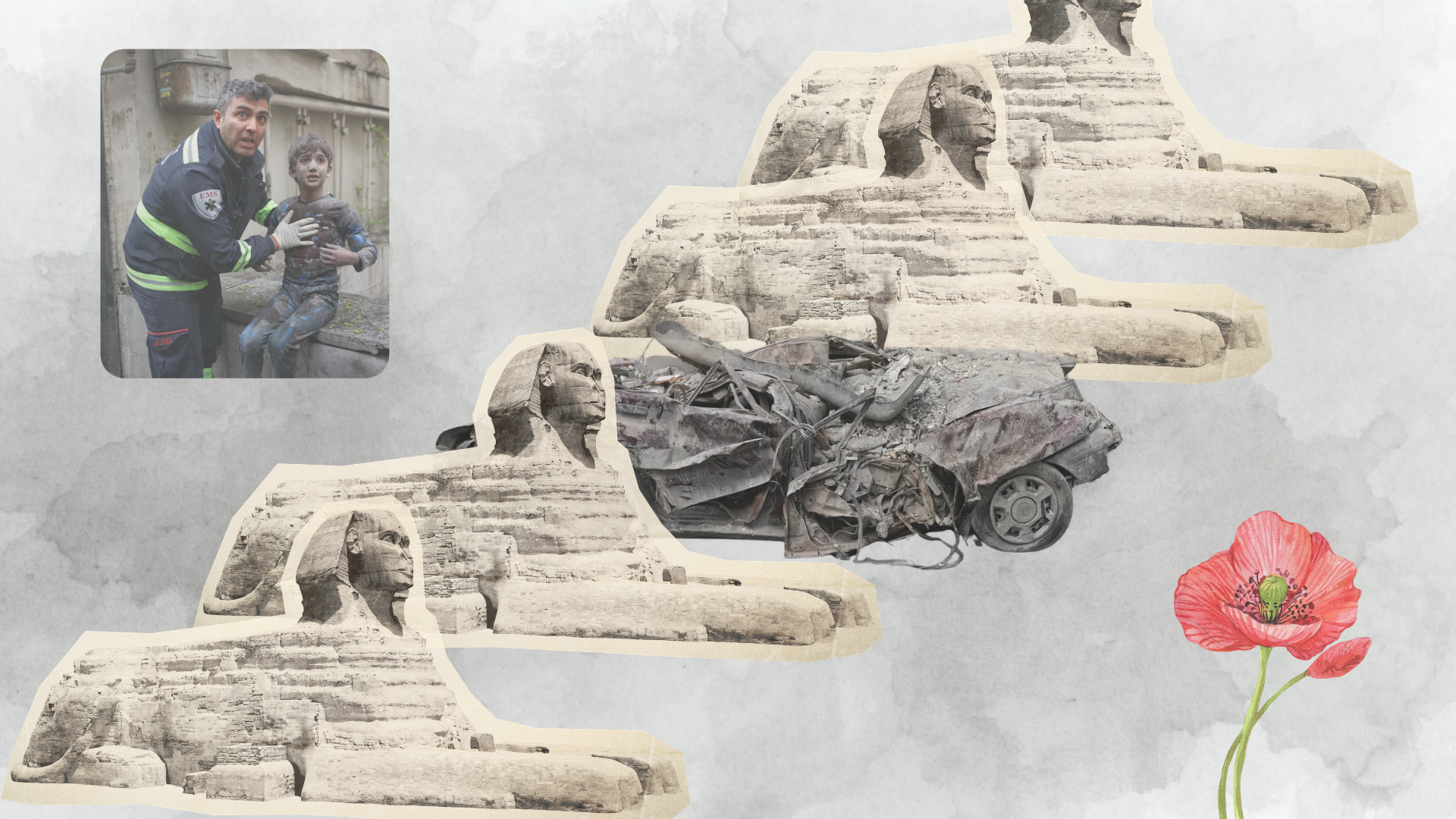
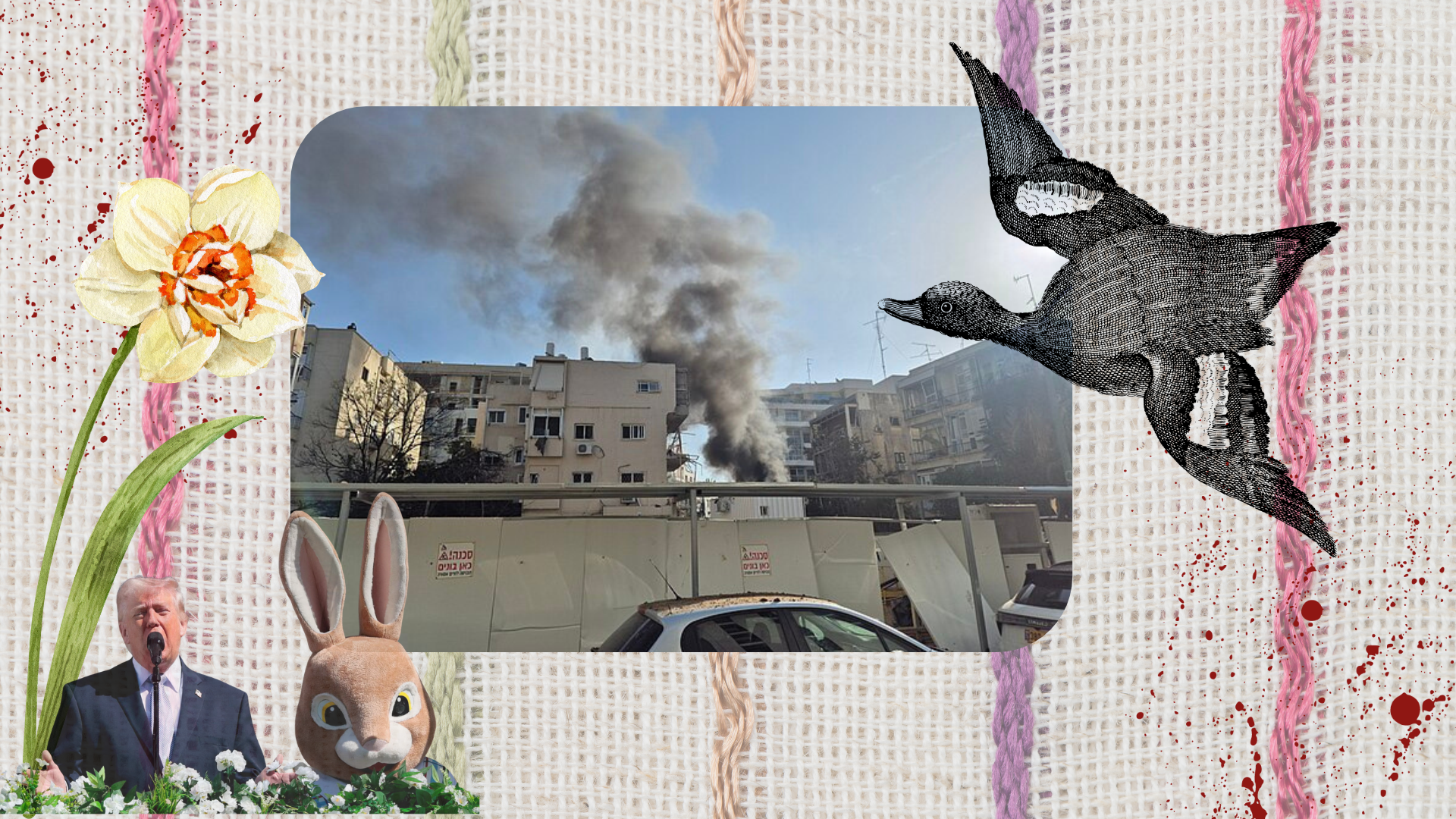
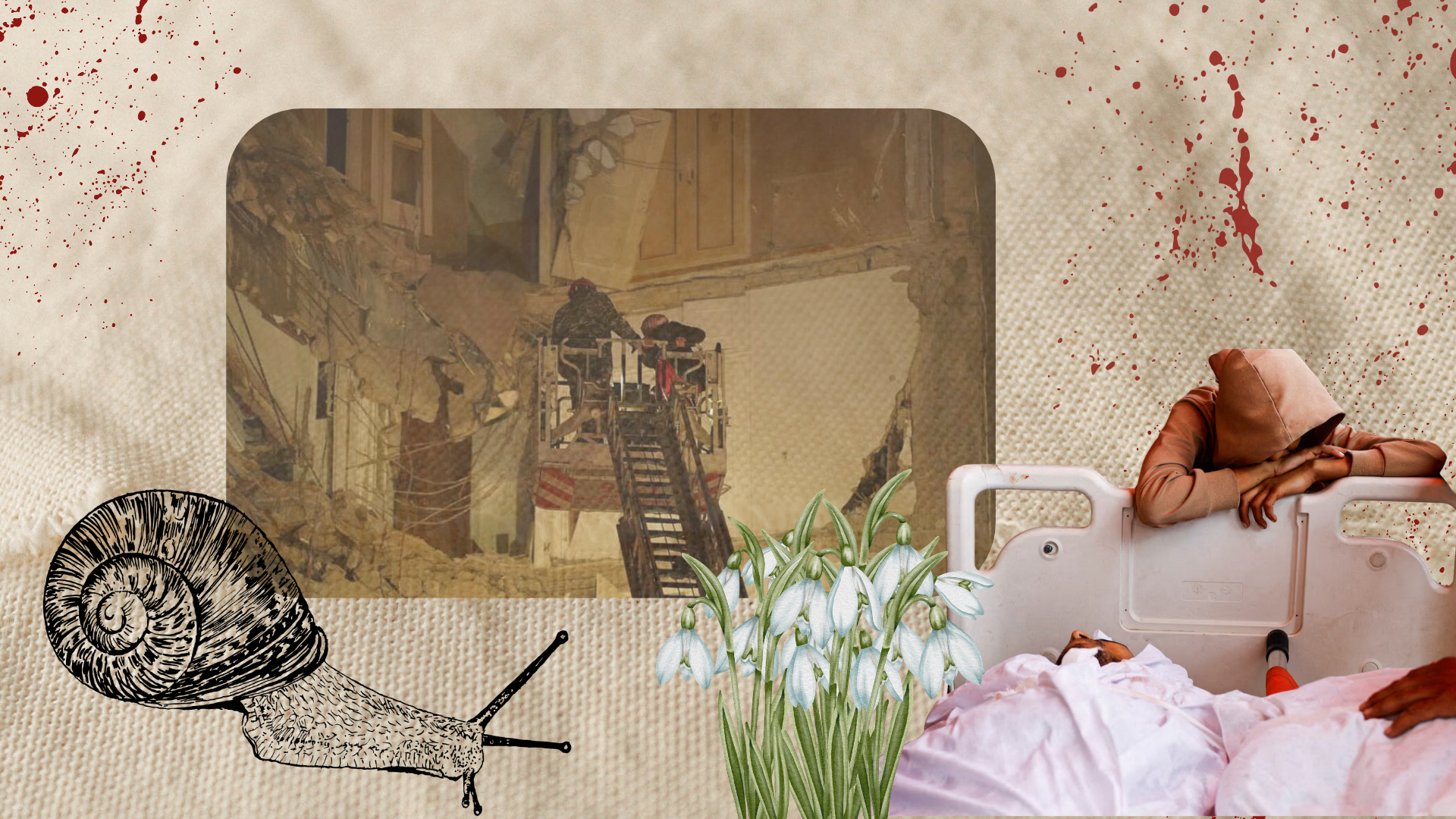
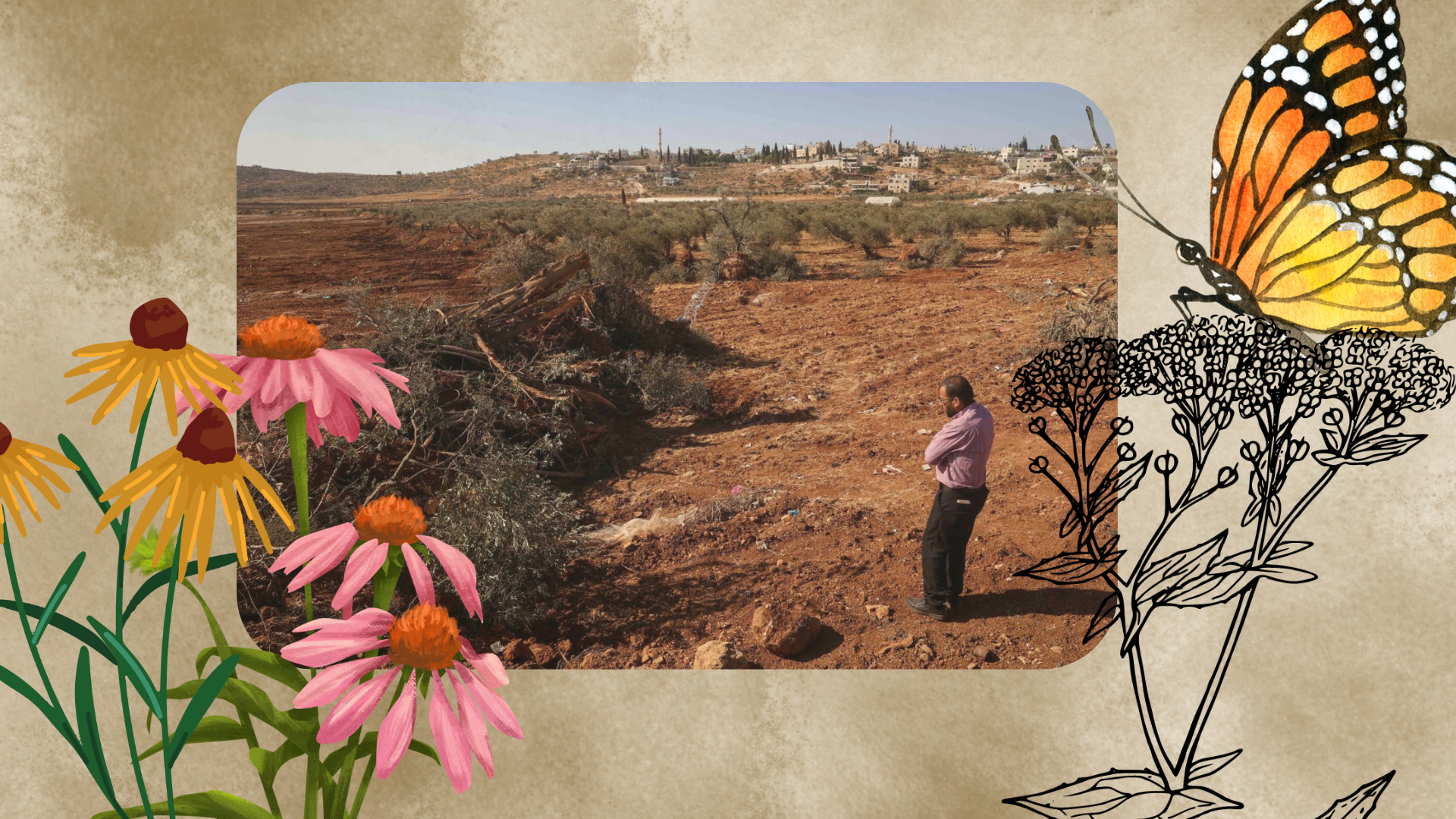
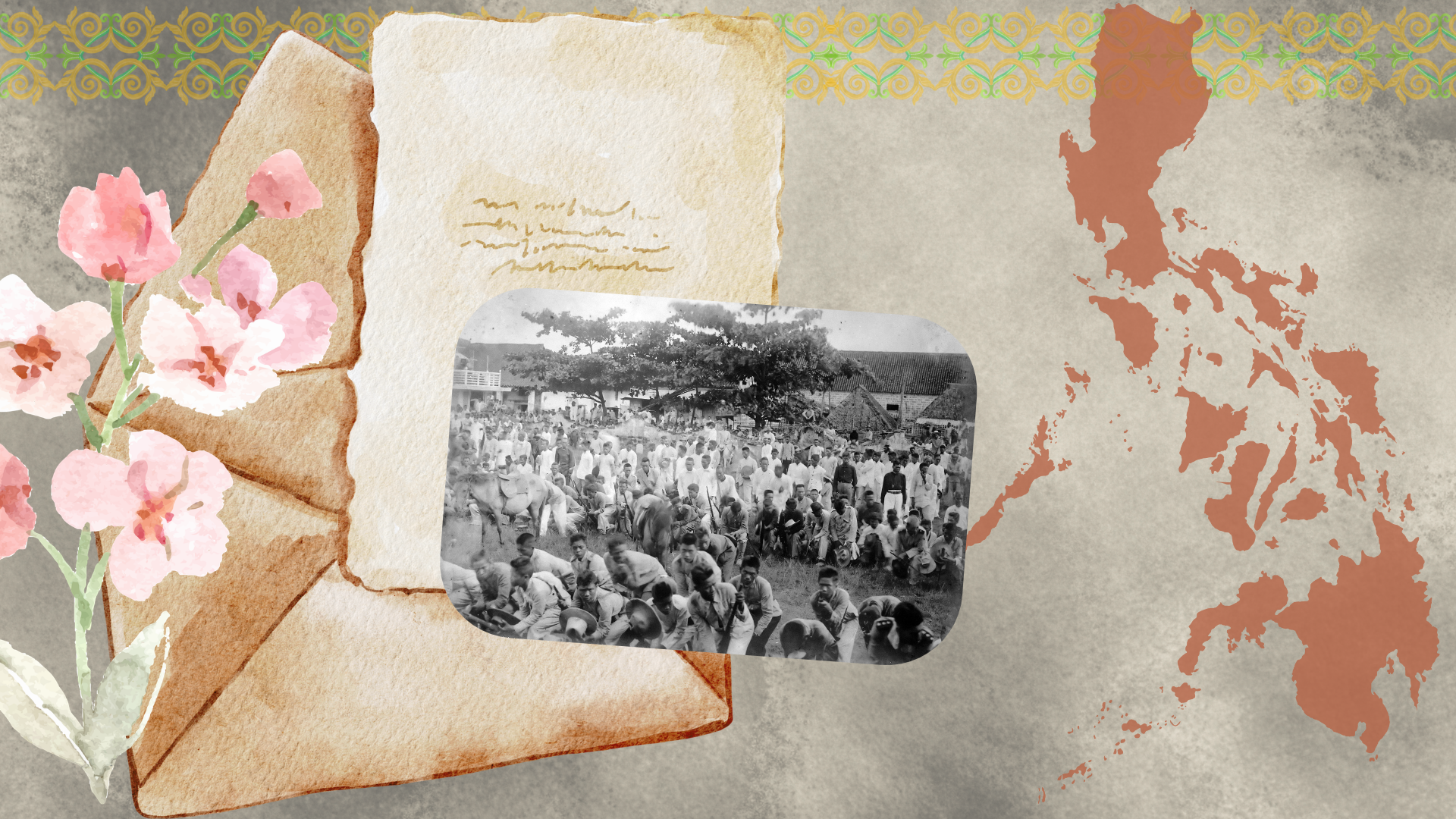
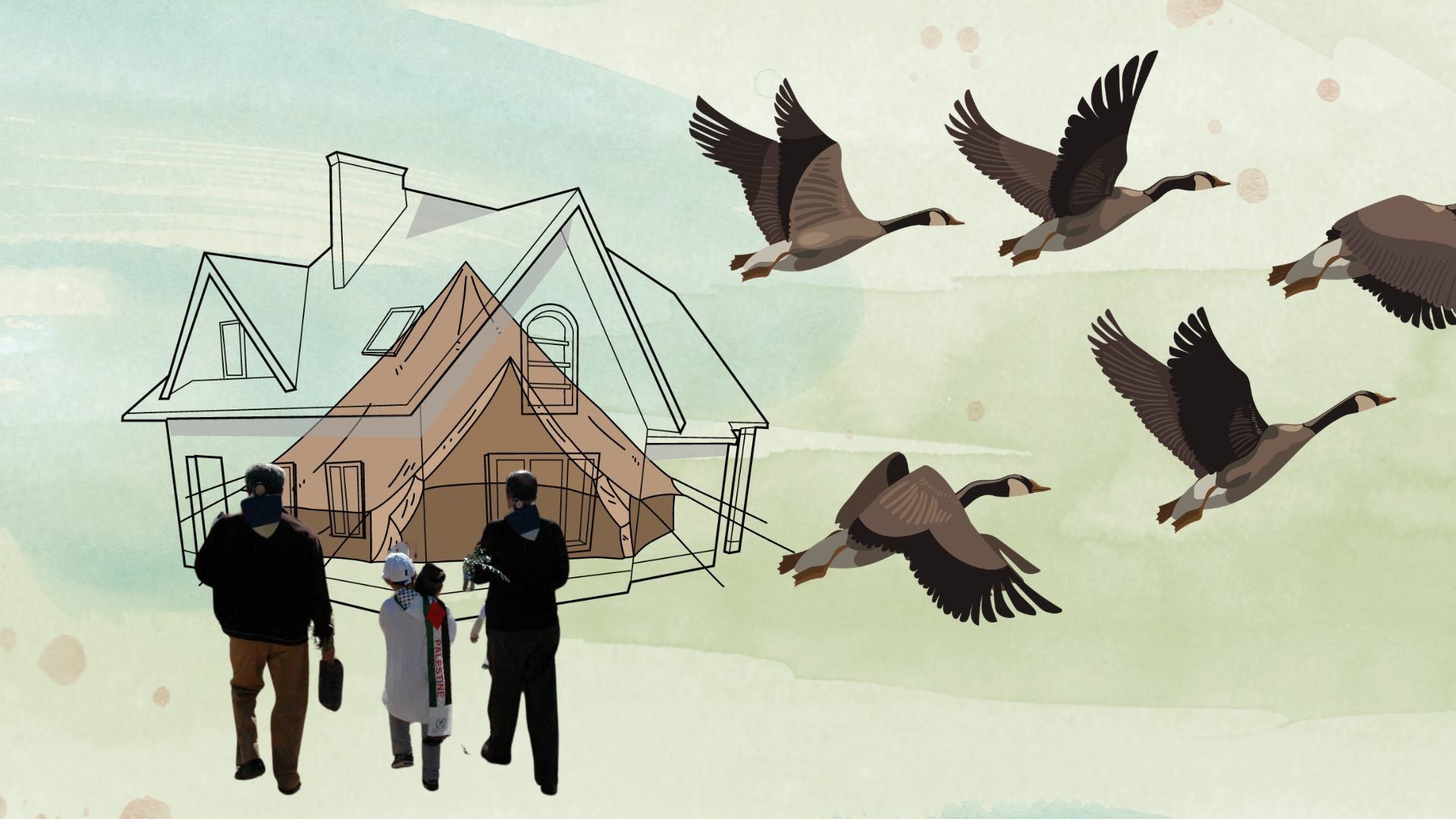
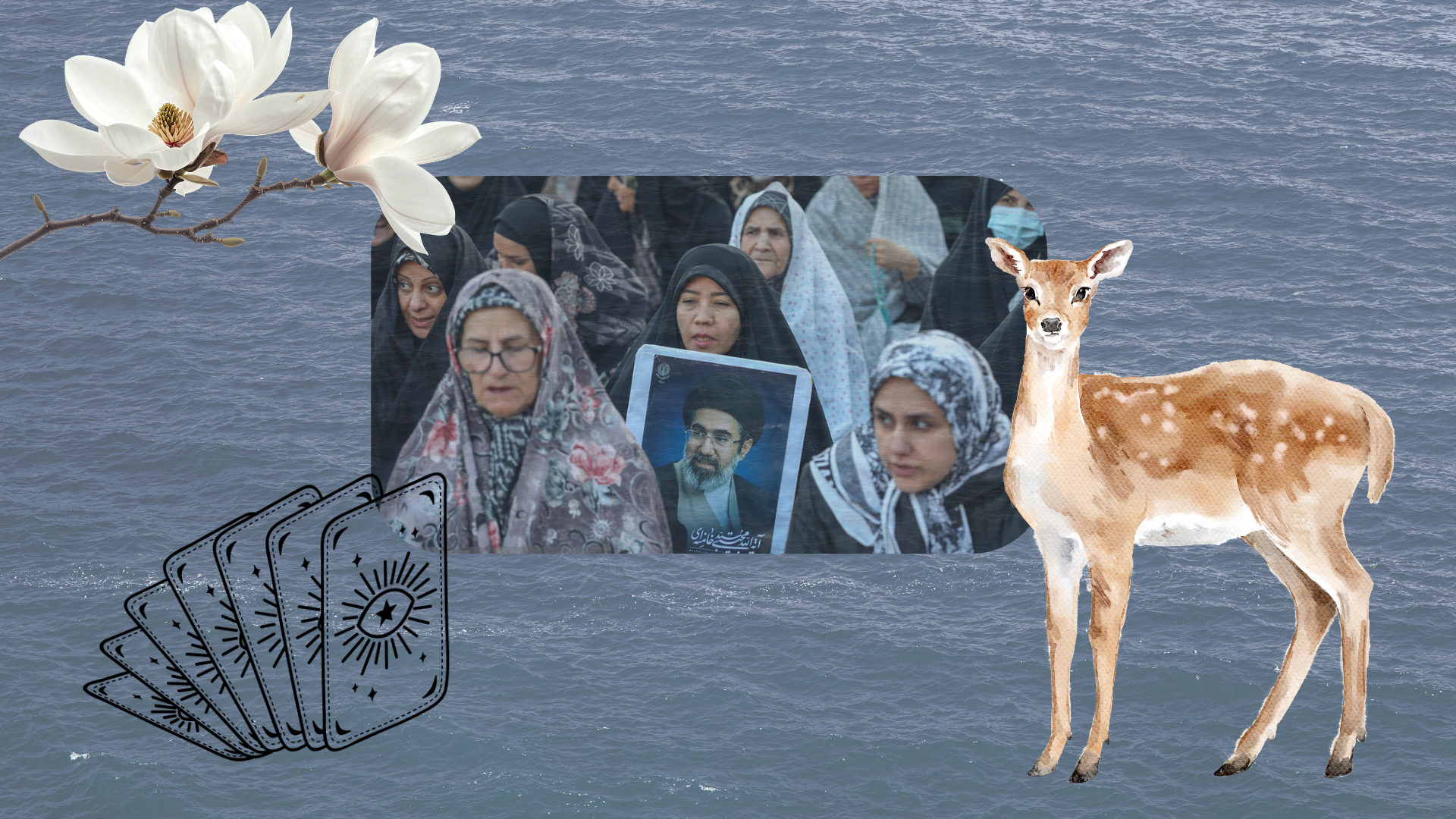
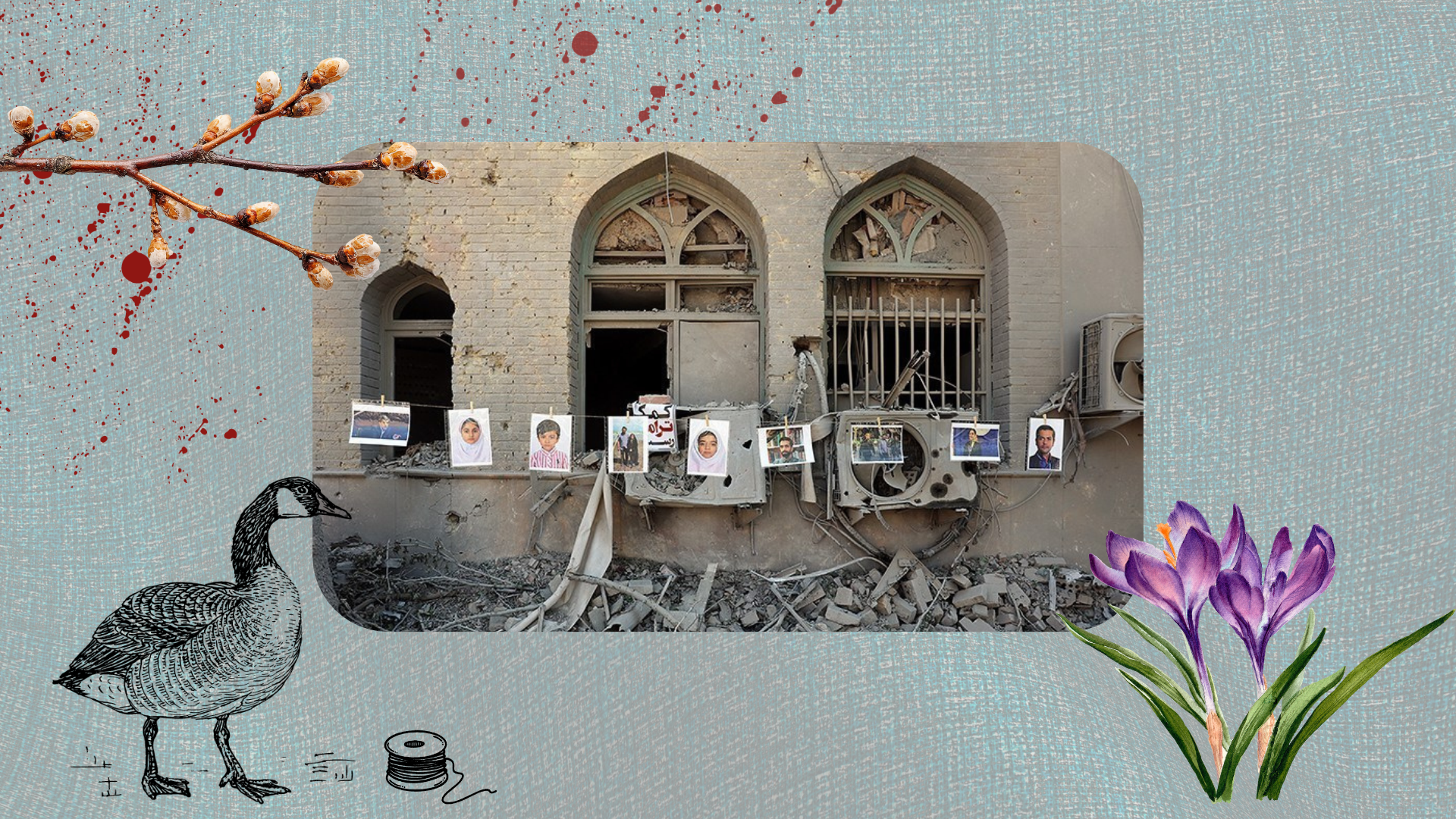
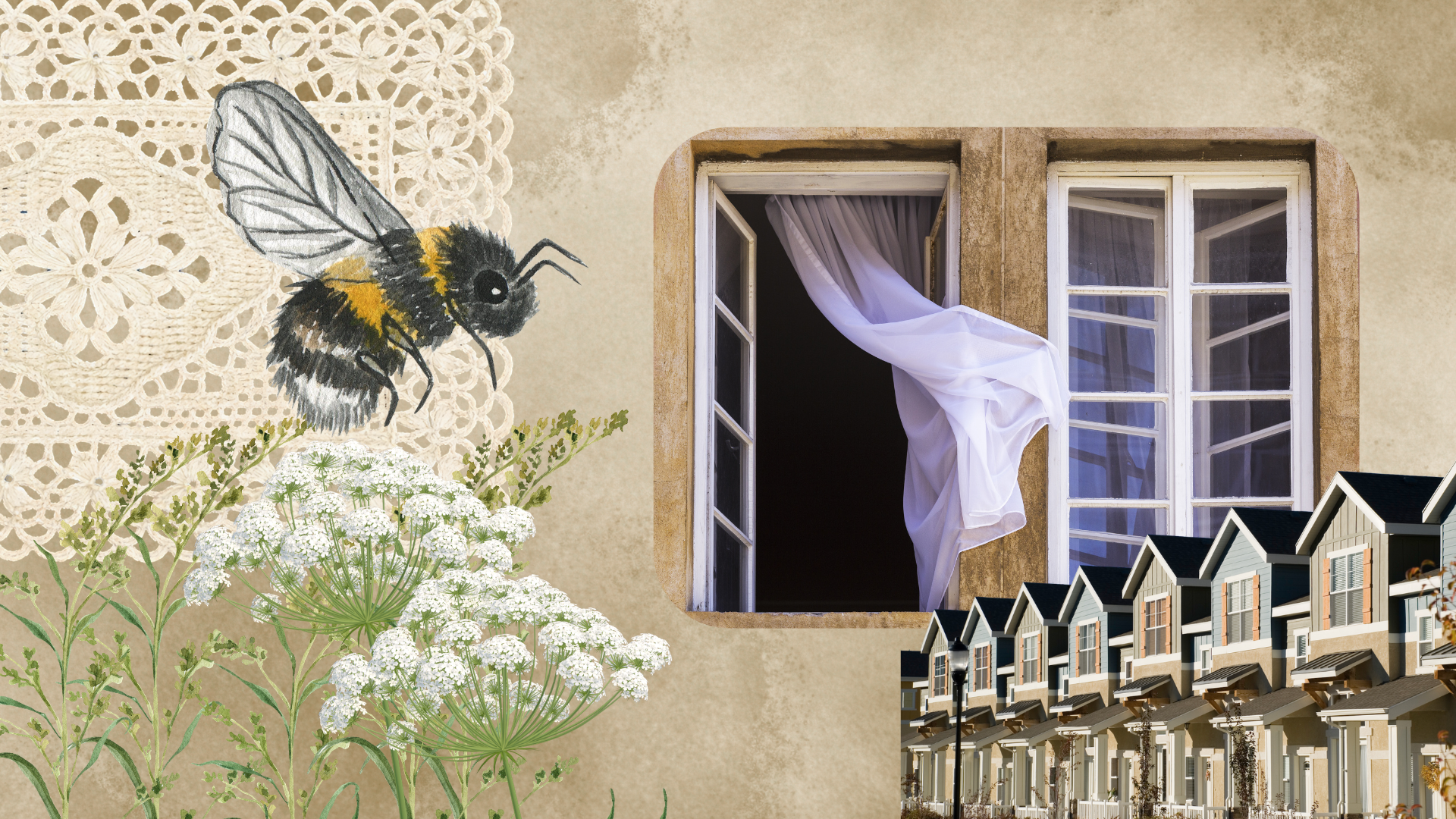
I surround images of catastrophe with living things, in hopes that the viewer can stay a bit longer with the difficult images.
My work also belongs to the tradition of political photomontage, as practiced by Hannah Höch and John Heartfield and later by Martha Rosler in Bringing the War Home. Like them, I place documentary images of violence, and of the struggles against it, where they cannot be ignored. Where those artists often used juxtaposition to disrupt or accuse, I use ornament to help the viewer stay with the difficult image. Decoration has long been dismissed as minor, domestic work. I use it as a serious means of care for the witness.
Gender & Identity
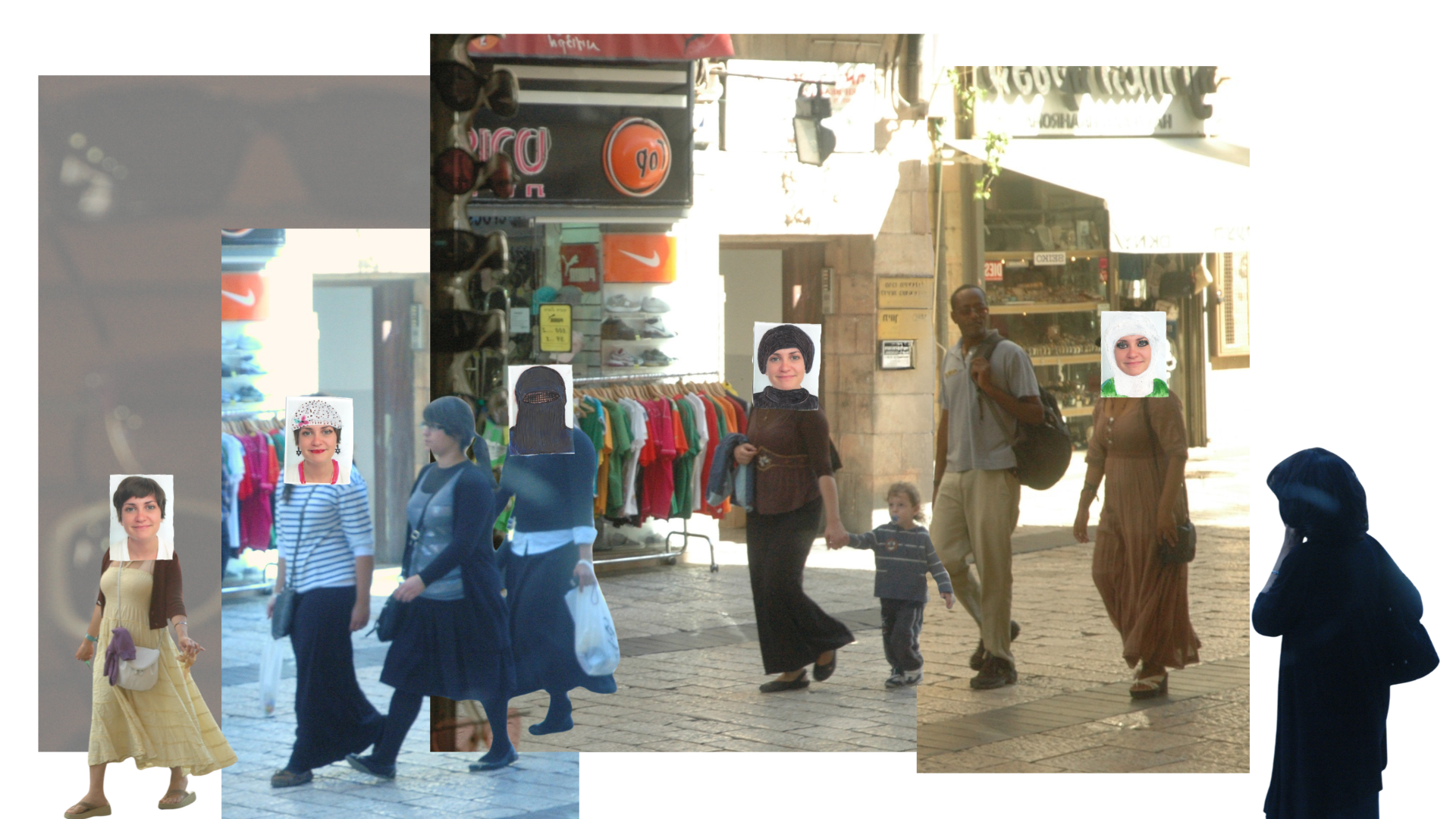
Desperate Wives of Jerusalem (2011)
I lived on Jaffa Street in Jerusalem. These photographs, from 2011, were taken in Kikar HaHatulot, Cat Square, where secular, religious, Palestinian, Israeli, tourist and commercial worlds pass each other by.
What passport you hold in Jerusalem shapes many aspects of your life. Many Palestinians in the city have no passport at all, only a travel document, a result of the Israeli occupation of East Jerusalem. I held both an American and an Israeli passport, which is one kind of power.
As a secular-dressing woman, Orthodox Jewish men would invite me to dinner at their yeshivas, telling me I should become religious and fulfill my duty to become a mother. At night, young men drunk from the bars would try to buy me a drink and take me home.
But as a Jewish activist living and working with Palestinians, I did not find my place in any of the cultures on that street. Instead, I was met with claims on my gender that often felt stronger than any national one.
To make the collage, I painted a series of my own passport photos and placed them on the women in my street photographs. Though it is one photo, it holds many possible lives, none of which really fit the women’s bodies in public space.
The work is part of Pussy Passport, a memoir that has not yet been shared publicly.
Jewish Culture
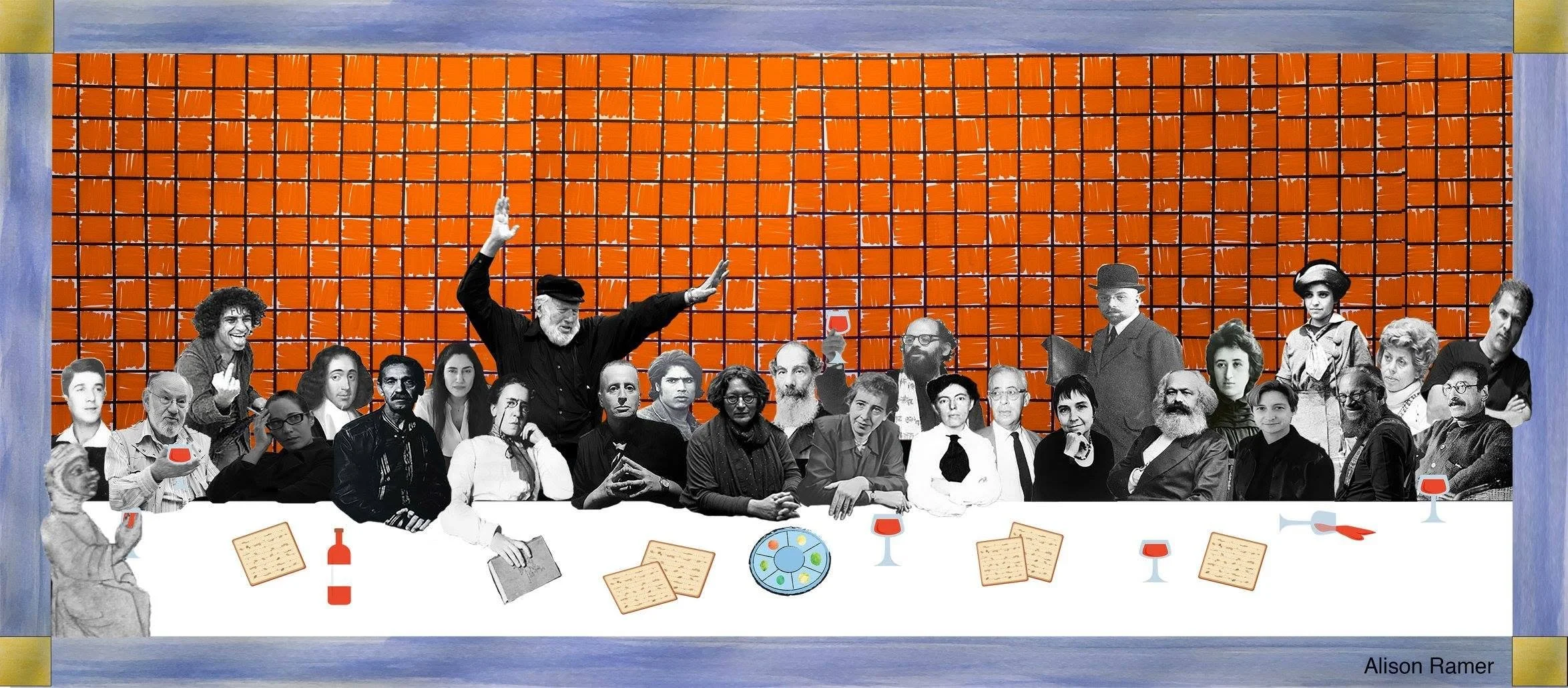
Seder (2014).
Created for and with an anti-zionist group of Jews how provided a list of Jewish thinkers, artists and rebels who refused Zionism. I included the tiled red background and painted blue border from the Sarajevo Haggadah, one of the oldest illuminated Haggadot, made in Barcelona in the 14th century. That book carries a story of liberation, and it also carries the presence of an enslaved African person, a reminder that the Passover story has always been told in a world where freedom was unevenly shared. I took that as an invitation to remember slavery as a call to refuse domination of others. All are placed across time at a single table, with matzah, wine, and the seder plate before them, and one place left open to the unfinished work of liberation.