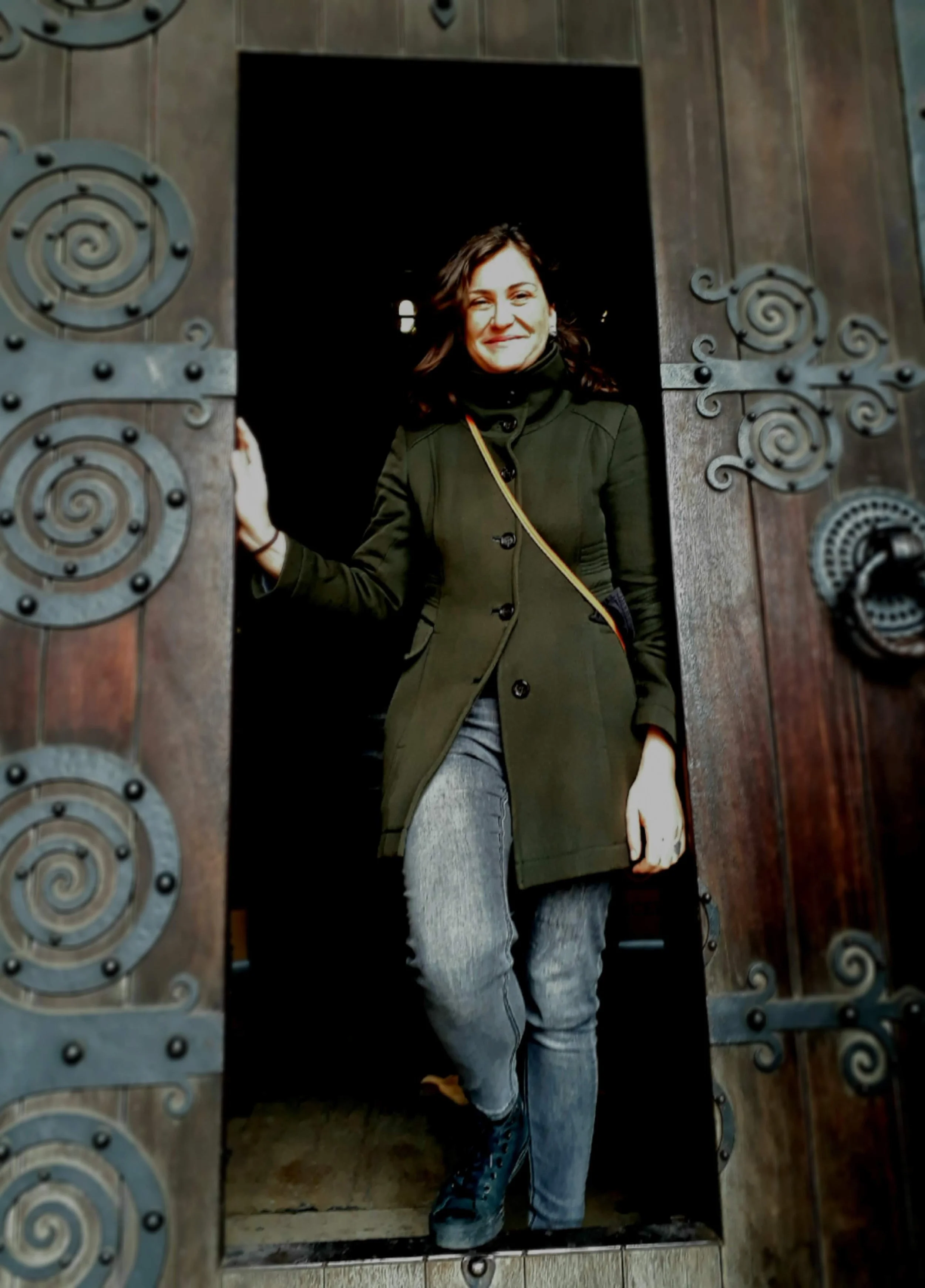
How has this journey unfolded?
My Story
I’ve been drawn to social change work since childhood—writing, organizing, and creating spaces where people can process what’s happening and work together to create change.
My path has taken me from early anti-war organizing in the U.S., to studying and working in Israel, to more than a decade living and working alongside Palestinians and a global community of activists focused on human rights, grassroots organizing, and international advocacy.
In parallel, I’ve spent the last 15 years coaching executives and mission-driven leaders—both one-on-one and within large-scale programs—many of whom work in high-stress environments and navigate complex trauma.
Along the way, I experienced loss, trauma, violence, and burnout, and learned firsthand what sustainable recovery worked for me. I worked with dozens of healers, therapists, and coaches, and I now bring that learning into my work in a grounded, practical way—helping people create practices and systems that support their lives.
Lineage
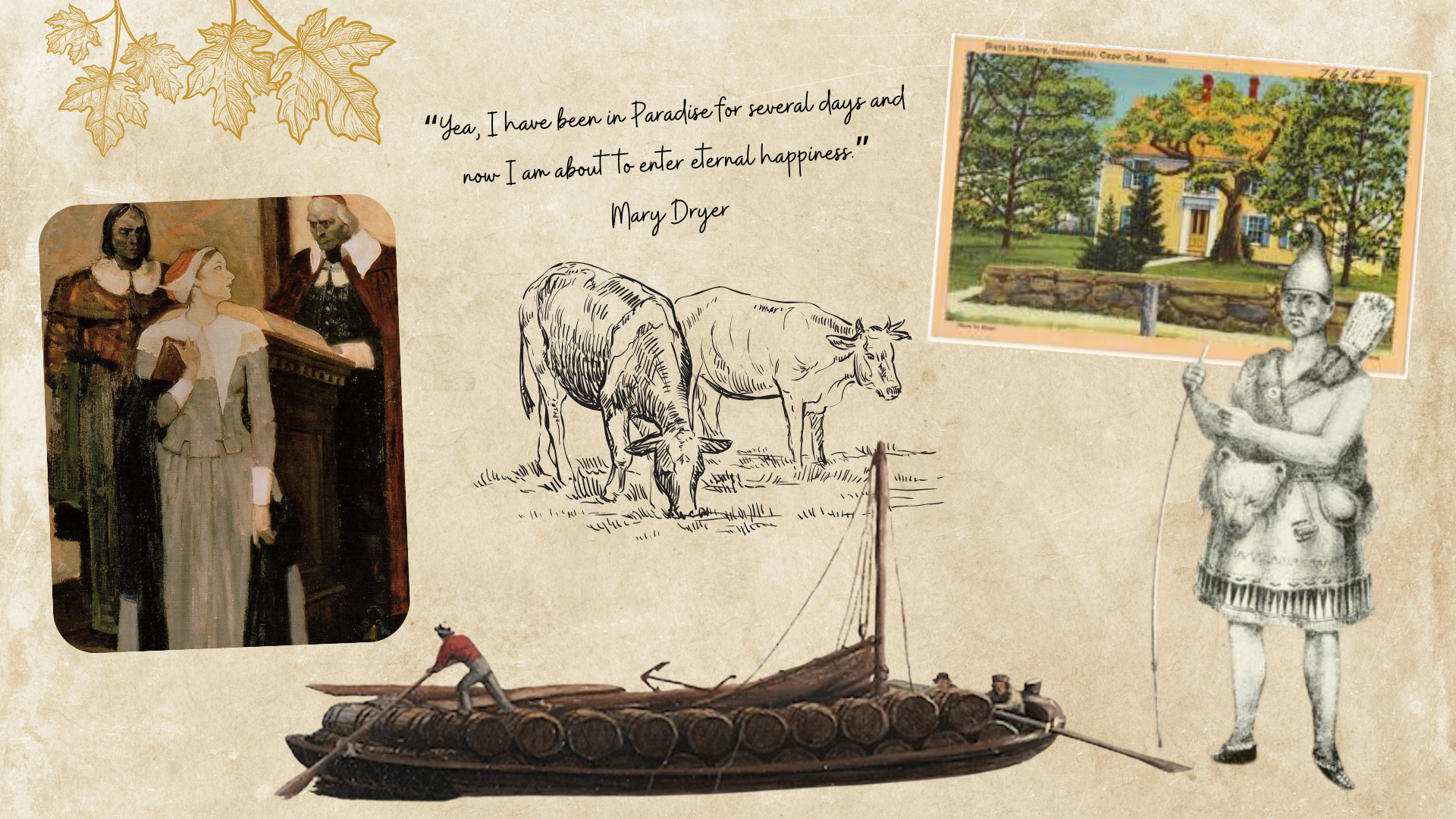
I carry both Western and Eastern European ancestry. On my father's side, a Kohanic lineage — connected to the priestly tradition, and to a legacy of peacemaking associated with Aaron — moving through Kraków and Odessa before arriving in the United States in the early 1900s. On my mother's side, English and German roots: Anglican clergy who became devout Quakers, and Hessian mercenaries who fought for the British in the revolutionary war.
Spiritual, political, contradictory, searching. These complex lineages — their responsibilities and ruptures — live in me. I think about them when I try to understand how people come to hold beliefs they are later asked to grieve, and what it costs to change.
Childhood
(1986 - 2004)
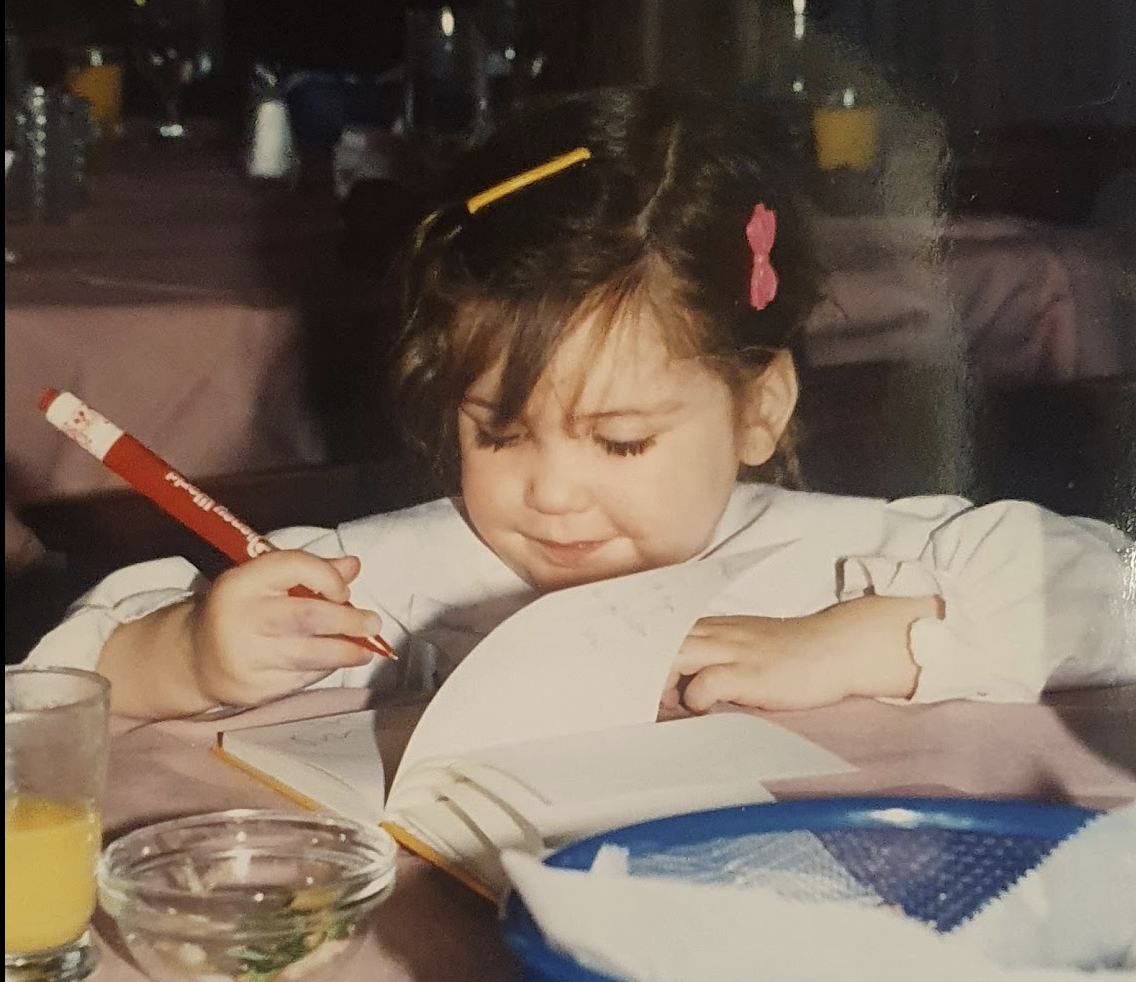
I was born in New York City to a Jewish father from New York and a Catholic mother from California who converted to Judaism.
I grew up in Seattle, in a community of artists, interfaith leaders, Indigenous activists, and political organizers.
From the beginning I was drawn to every form of making: I led rituals in the backyard, directed plays for the neighborhood kids, sang in the choir, painted, sewed, built things with my hands.
The words people used for me were creative, communicative, sensitive and compassionate. I didn't know yet that these things would become such a central part of my life’s work.
Making Sense of the Mess
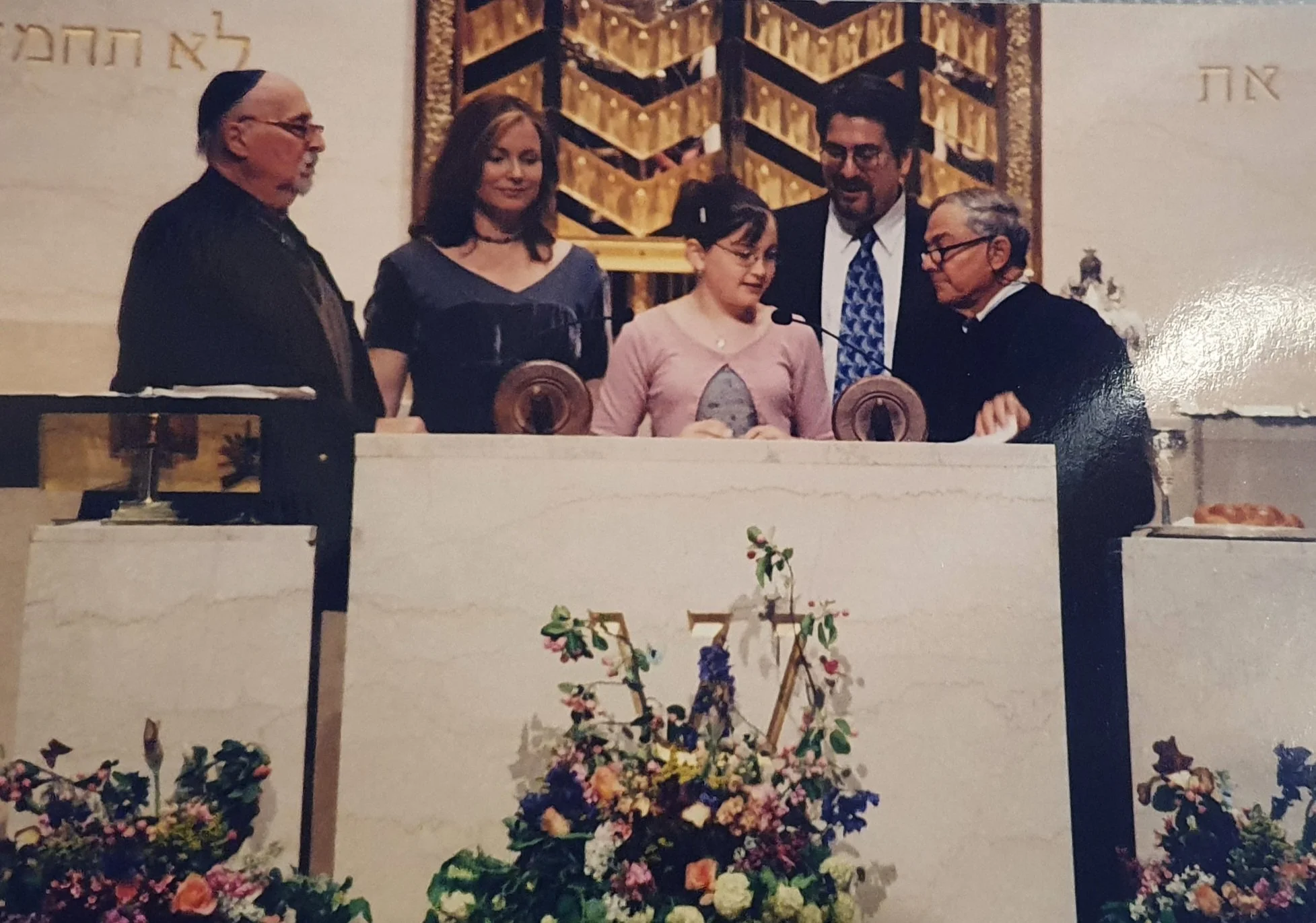
From early on, global events were a part of my grief. Even as a young child, I would hear about suffering in the world — war, injustice, things being torn apart — and reach for the pen as a way to process the pain.
When I was nine years old, Yitzak Rabin was assassinated. I remember it is the time where modern day Israel entered my consciousness. I wrote about what happened, trying to give loss a place outside of me, calling for peace and trying to make sense of killing and war. I have been doing that ever since.
Finding Ritual As a Home for Grief
When 9/11 happened, I was sixteen. I experienced my first grief ritual with my high school classmates, and became part of groups organizing large-scale protests as the U.S. launched into war.
I found myself asking: how do we live with this? I didn't have the answer or a way of being that could support me, and at 18 I experienced my first burnout.
College
(2004 - 2009)
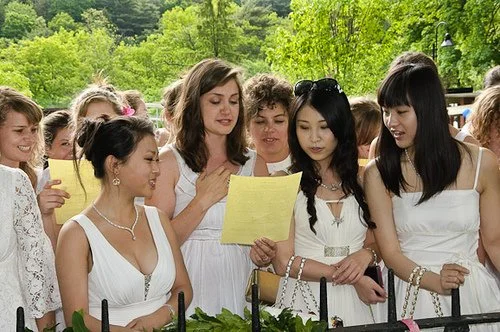
At Mount Holyoke College, I turned toward the question of collective change. Personal transformation felt necessary but insufficient — I wanted to understand how movements were built, how power shifted, how art and organizing worked together. Throughout those years I threw myself into political campaigns, worked as a legislative aide, organized grassroots coalitions, small groups and large demonstrations.
I was trying to understand what would be the most effective way I could make change — what should I do to help end war and exploitation?
Unfortunately, at twenty, this led to another round of burnout — not from lack of passion, but from the absence of any framework for sustainable engagement. I was still learning that how we work matters just as much as what we work on …
Israel
(2006 - 2010)
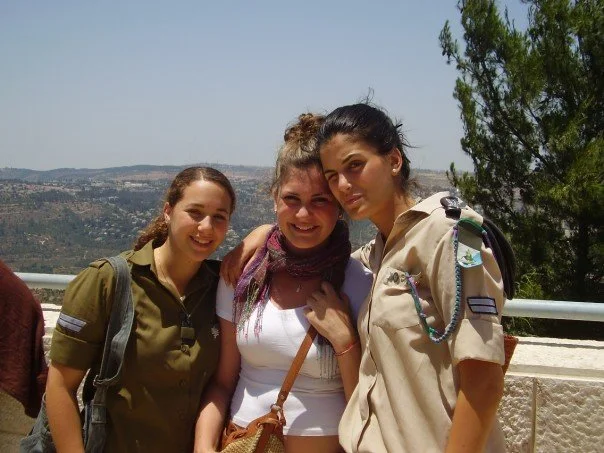
I went on Birthright in 2006, during the war in Lebanon, and came back with more questions than answers. Study in the USA didn't suffice. So I studied abroad at Tel Aviv University, and then — after graduating from Mount Holyoke College— immigrated to Israel using the right of return law: the law that grants Jewish people worldwide citizenship in Israel while denying that same right to Palestinians who have lived there for generations.
I created a life for myself in Tel Aviv that I loved. Friends that were thoughtful and caring, with good morals, values and lives with complexity. But I knew that I was living with only a glimpse of the picture, that I was still living in the fantasy.
After the 2008 war on Gaza, I became brave enough to question Israel’s narratives much more deeply. I went to the village of Nabi Saleh to witness the occupation firsthand. I went to Israeli settlements. I sat with Israeli soldiers.
What I experienced changed my life. I began a long process of hospicing the Zionism I had been raised with. A process that created ruptures in relationships with friends, family, and institutions I had loved, and that opened space for new relationships that have lasted a lifetime.

Palestine
(2010 - 2023)

By invitation of Palestinians, I moved to the occupied West Bank and spent a decade living and working alongside local communities.
I worked with dozens of artists to create their work in the world — from theater to visual arts, photography and film.
I helped establish formal mechanisms for documenting human rights violations and submitted numerous reports and oral statements to the United Nations.
I led an executive leadership development program for sixty NGO executives with Oxfam.
I helped build the Palestinian digital rights organization 7amleh and contributed to Meta’s first Human Rights Report and the first human rights assessment in the social media sector.

I also worked through years of unlearning — of realizing how much I had been lied to and manipulated.
I found myself again and again, ostracized when I tried to tell people the truth or speak truth to power. I lost relationships with many people I loved — family and friends.
But I was now also a part of a new community of international solidarity activists — and though our lives were often harsh — they were lives that we felt were very much worth living.
Grief arrives & changes the shape of everything.

During this time, I also lost eight of my close friends and companions, including a beloved partner. Some died from medical malpractice, from heart attacks, others from car accidents, mysterious assassinations and cold blooded killings by Israel.
There is no way to prepare for that kind of loss, and I didn't try to explain it away or move past it quickly. I wrote instead — pages and pages of memoir, poetry and fiction — to help me make sense not only of the loss of the people I loved, but the loss of humanity in ways I had never known.
That experience taught me something I would spend the next two decades learning to articulate: grief is not an interruption of life. It is one of its most clarifying passages. And the impulse to make something — to write, to sew, to sing, to gather — in the face of loss is not avoidance. It is one of the oldest human responses to the unbearable and to remind myself that it mattered that I was here.

Shabbatical
(2022 - 2023)
After sixteen years of work in Palestine and Israel, I decided it was time to rest. I called it a Shabbatical—a sabbath stretched across a year, inspired by the Jewish practice of shmita, the seventh-year release.
I embraced this as a personal reset: stepping back from work, leadership, and media, and returning to a quieter rhythm—walking in nature, living simply, spending time with children, and letting go of who I thought I was supposed to be.
I realized how deeply nourishing spiritual practices were to me and how important wellness is for our work.
During this period I joined the Taproot Immersion Program, which helped me reconnect with Judaism as a part of that process and develop my skills in ritual leadership in 2022 - 2023. It was there that I studied with Rabbi Diane Elliot, Shulah Pesach Rabbi Irwin Keller, Rabbi Eli Herb and Adam Horowitz.
I also started to connect to the larger Jewish Renewal movement and earth-based Judaism, through Wilderness Torah and other initiatives and started to support local Jewish gatherings and holiday observance.
Grief as a Beginning
(2023 - 2025)
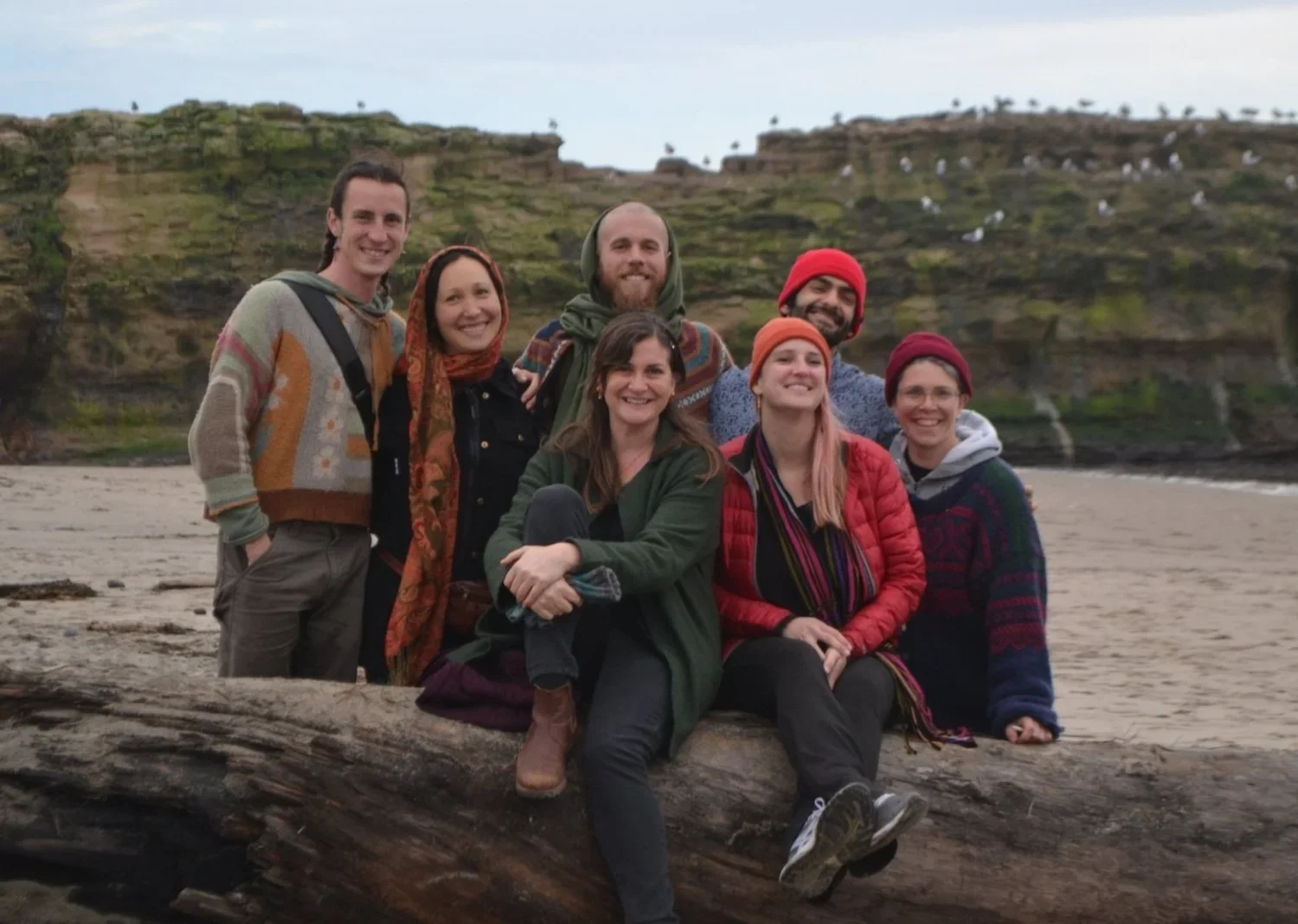
My Shabbatical ended the week of October 7th. I responded to the violence in Israel and Palestine by opening a space for collective mourning. Over the weeks and months that followed, I held space for hundreds of people alongside spiritual companions. That practice grew into the Social Change Sanctuary — an inter-spiritual space to help people move through grief in ways that support resilience and continued engagement, not shutdown.
To strengthen my ability to support others, I trained with Headspace and became a certified Health and Wellness Coach. I continued my spiritual studies, becoming ordained as a rabbinical student under Rabbi Lynn Gottlieb and her Shomeret Shalom denomination, and continuing with eco-theologian Sara Jolena Walcott and indigenous Diné elder Patricia Anne Davis. I joined Thrive's Rooting in the Sacred cohort, where I continue to practice today.
Through all of it, I kept returning to writing as the primary way I processed what I was living through. The memoir form I had reached for since childhood — the real story worked over until it gave up its meaning — became the spine of Hodaya: A Journal of Grief & Gratitude.
What I discovered, and what I now bring into my work with others, is that making something in the face of grief — writing it, crafting it, ritualizing it — is a direct path through.
Some of What I’ve learned
When we create containers for collective mourning, we increase our capacity to keep mobilizing, to keep showing up for ourselves and others.
You can love something and also grieve losing it. These are not contradictions. They are the full shape of a human life in difficult times.
Healing the trauma of our ancestors is a part of our work here now. We are here to repair as much as we are here to create.
Making something in the face of loss is a part of the process of transformation.
Our paths are spiritual as much as political. Clarity, resilience, and sustainable action require inner work, and strategic work.
This is some of the foundation of how I coach and facilitate: compassionate, practical support for people who care deeply and want to keep going.
Holding complexity so others can, too.
(2025 - Present)
My story has been shaped by conflict, grief, and the particular sorrow of loving something you later have to leave. It has also been shaped by what consistently helps: community, honest reflection, spiritual practice, and small habits that support steady change over time.
Today I work as a coach, facilitator, and writer. I work with people who care deeply about the world — activists, organizers, mission-driven leaders, people navigating political grief and moral injury — who need sustainable ways to keep going without losing themselves in the process.
I bring everything: sixteen years in one of the world's most contested places, multiple burnouts and recoveries, rabbinical study, grief work, coaching, and a lifetime of learning what it costs to change your mind and what it makes possible.